Rail-first access
A strong Alpine wellness trip begins with the arrival logic, not just the spa menu, especially when SBB, OBB Nightjet, or Trenitalia shape the smoothest mountain approach.


The Swiss, Italian, and Austrian Alps remain a strong region for wellness travel. Use this guide to compare spa retreats, blue-space therapy, recovery dining, and rail-connected itineraries for travellers who want restoration with clearer environmental and logistics signals across SBB, OBB Nightjet, and Trenitalia-linked mountain routes.
Where to begin
The Swiss, Italian, and Austrian Alps work best when transport, weather, dining, and spa quality are considered together.
A strong Alpine wellness trip begins with the arrival logic, not just the spa menu, especially when SBB, OBB Nightjet, or Trenitalia shape the smoothest mountain approach.
Wellness hotels should explain energy, water, laundry, and refill practice without dulling the experience.
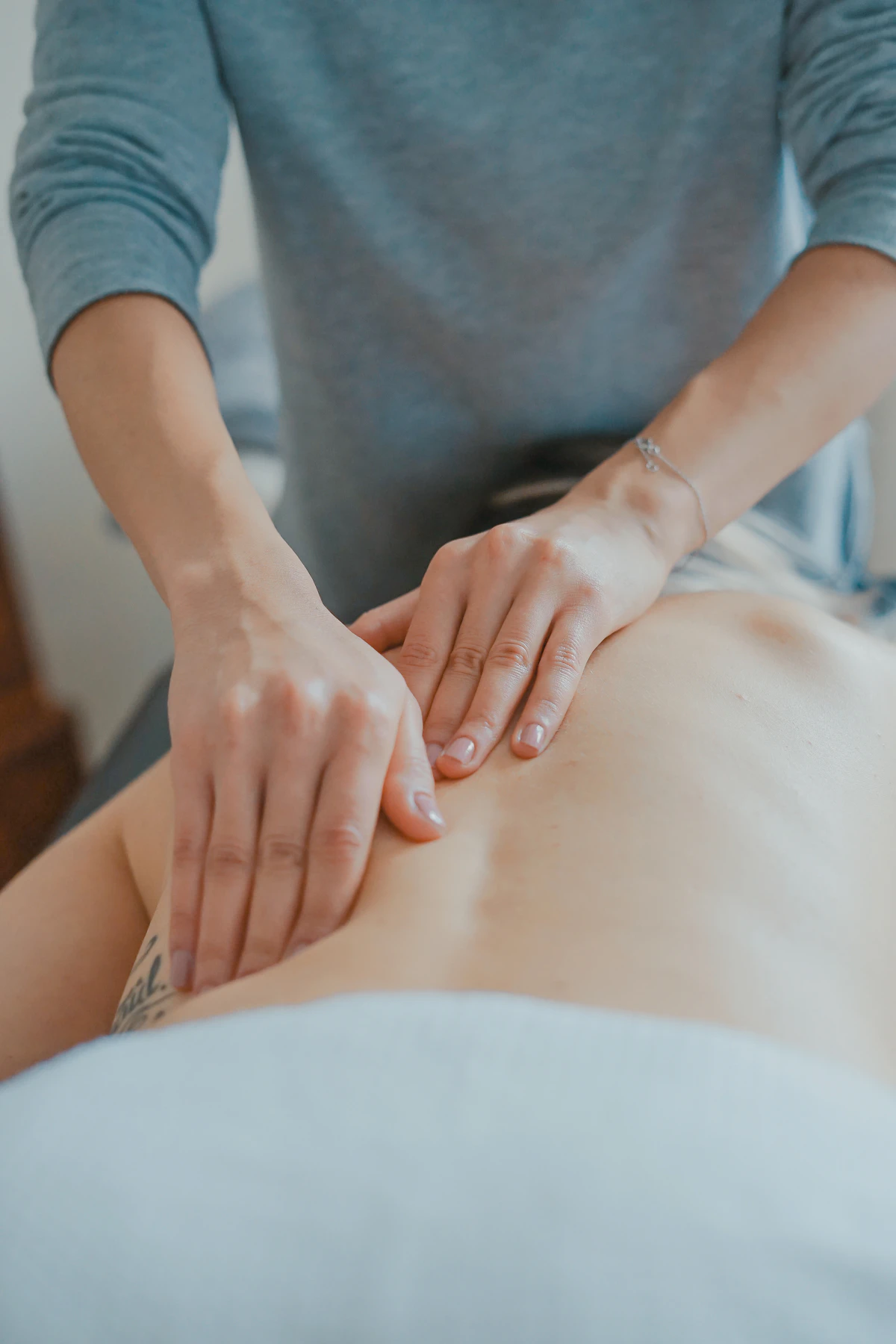
Sleep, acoustics, hydrotherapy, and food should support the mountain setting and the activity pace.



Lodgai method
Alpine wellness should feel restorative before, during, and after the trip. Lodgai looks at arrival friction, spa credibility, food quality, mountain access, and operating standards together.
Premium Alpine trips are stronger when train routes and final transfers are planned as part of the experience, not an afterthought.
A credible spa explains energy, water, laundry, product refill, and staffing practices without asking guests to trade comfort for sustainability.
Sleep quality, acoustic control, hydrotherapy, movement, and seasonal dining should support the wellness promise.
Stronger hotels respect trail capacity, local producers, winter energy pressure, and fragile Alpine ecosystems.
Compare the proof
Use these checks to compare spa hotels, lake retreats, biophilic properties, and rail-connected mountain routes.
| Signal | What it tells you | What to verify | Risk if missing |
|---|---|---|---|
| Rail access | The trip can reduce flight and road pressure without losing comfort. | Check station proximity, luggage handling, final transfer quality, and timetable fit. | A remote hotel can become stressful if arrival planning is weak. |
| Spa resource use | The wellness product has credible operational discipline. | Ask about water systems, laundry, product refill, heat recovery, and energy supply. | Luxury spa operations can be resource-heavy when systems are opaque. |
| Local recovery dining | Food supports both place and wellness outcomes. | Check regional sourcing, menu adaptability, and post-activity nutrition logic. | Dining may become generic wellness copy rather than useful recovery support. |
| Season fit | The hotel understands the rhythms of mountain travel. | Compare summer trails, winter access, shoulder closures, and weather alternatives. | A beautiful property can feel limited if the season is wrong for the stay goal. |
Best fit
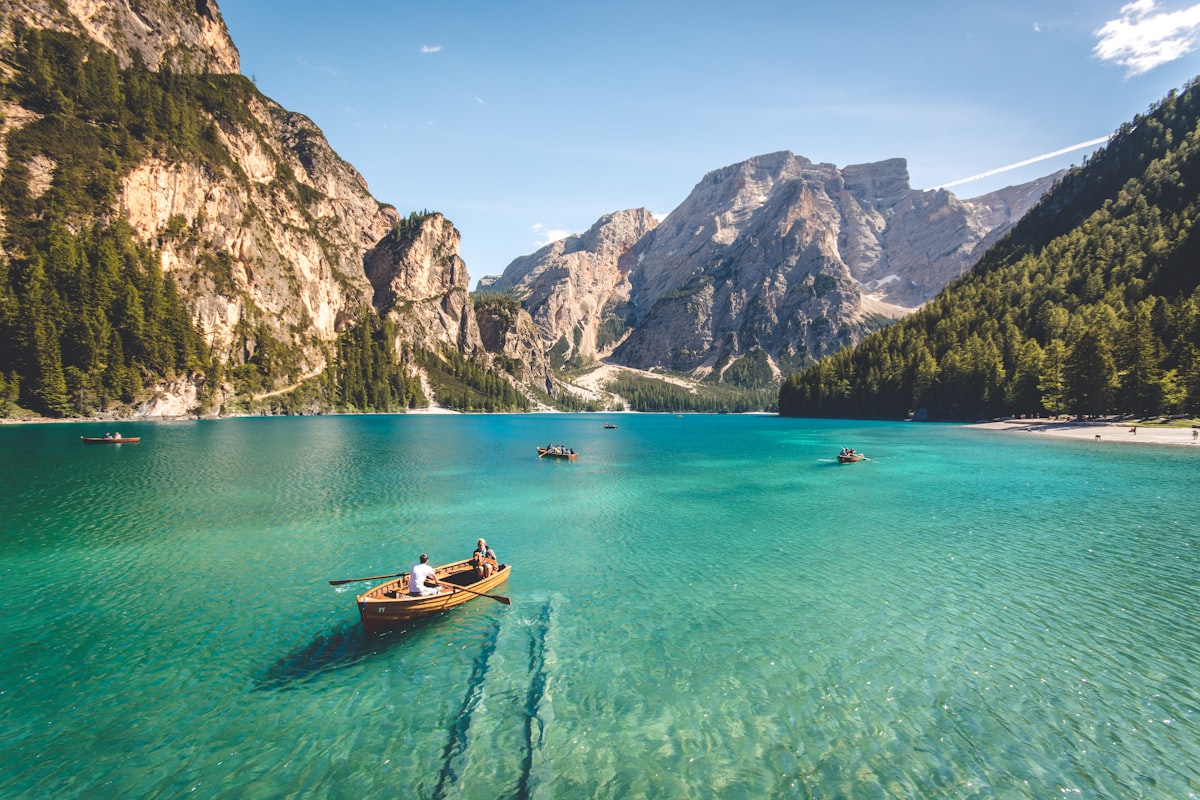
Alpine wellness is not one product. The right setting depends on whether you want spa depth, lake calm, mountain activity, or a lower-emission route.
Best for: Biophilic design, mountain architecture, hiking recovery, and dramatic scenery.
Look for: Timber and stone design, trail access, regional food, and strong transfer planning.
Avoid: Remote hotels without weather alternatives or recovery pacing.
Best for: Blue-space calm, hydrotherapy, refined towns, and gentler wellness days.
Look for: Lake access, acoustic comfort, spa method, and rail-friendly bases.
Avoid: Overloading a restorative lake stay with too many day trips.
Best for: Rail-connected spa hotels, low-waste excellence, and polished mountain logistics.
Look for: Station access, spa transparency, local sourcing, and seasonal activity fit.
Avoid: Assuming every luxury spa has credible sustainability systems.
Last reviewed
14 May 2026
How we verify
We compare Alpine wellness routes against official tourism sources, station access, and current hotel or spa information before we recommend a base. The pillar is planning guidance, not a certification claim.
FAQ
A stronger Alpine wellness hotel combines credible energy and water practice, local sourcing, rail-aware access, and wellness programming that fits the mountain setting.
Yes, especially for Switzerland, northern Italy, Austria, and Lake Geneva routes where premium rail, private transfers, and luggage planning can keep the journey comfortable.
Choose spa hotels for recovery, lake retreats for calmer blue-space stays, biophilic hotels for design, and rail-to-Alps routes for lower-friction multi-stop travel.
Move into guide pages
After the pillar overview, the next step should be a city guide, hotel collection, or route that makes the wellness-heavy trip practical.
Open matching city guides
Use Zurich for rail-connected Alpine access, central hotel fit, and calmer pre-Alps staging.
A planning base for lakefront wellness trips and Western Alpine routes.
Open Vienna when music, museums, and slower luxury pacing lead the trip.
Compare hotel collections
Choose a city base that makes rail-first Alpine extensions easier to execute.
Use a high-comfort city base before moving into wellness or mountain segments.
Start with an itinerary
Pair a calmer city route with wellness-heavy travel where overloading the plan hurts recovery.