City Guide

Rome Sustainable Luxury Travel Guide

Rome works best for travelers who want world-class heritage density, strong hotel identity, and a city structure that respects heat, crowds, and walking fatigue.

first-timersheritage-travelersromantic-tripsdesign-travelers
Rome

Why Rome works

Best for heritage-rich grand hotels, Roman monument access, and art-led urban luxury.

Rome becomes more sustainable when each day is built around one historic zone rather than constant cross-city monument chasing.

  • • Do not stack the Vatican, Colosseum, and central baroque core in one compressed sequence.
  • • Use one monument anchor and let the surrounding quarter absorb the rest of the day.

Top attractions

Colosseum

Colosseum

Score 116

The Colosseum is Rome's defining monument and should be treated as a dedicated anchor rather than a quick photo stop.

Colosseum
Pantheon

Pantheon

Score 111

The Pantheon is one of Rome's most efficient and visually complete heritage stops, especially from the central historic core.

Pantheon
Trevi Fountain

Trevi Fountain

Score 108

Trevi Fountain is iconic but should be handled as a timed mood piece, not the centre of a whole Rome day.

Trevi Fountain
Roman Forum

Roman Forum

Score 109

The Roman Forum completes the Colosseum experience and is best planned with shade, pace, and footwear in mind.

Roman Forum
Villa Borghese

Villa Borghese

Score 103

Villa Borghese is one of Rome's best pacing tools: a lower-impact reset that still feels central and elegant.

Villa Borghese
Vatican Museums

Vatican Museums

Score 112

The Vatican Museums are one of Rome's highest-intensity cultural anchors and need a hotel plan that respects queue pressure and museum fatigue.

Vatican Museums
St. Peter's Basilica

St. Peter's Basilica

Score 111

St. Peter's Basilica is one of Rome's highest-authority interiors and deserves a calmer visit rhythm than most first trips allow.

St. Peter's Basilica
Piazza Navona

Piazza Navona

Score 104

Piazza Navona is less about box-ticking than about understanding Rome's baroque core as an urban stage.

Piazza Navona
Trastevere

Trastevere

Score 103

Trastevere gives Rome a lived-in counterweight to its high-pressure monument core.

Trastevere
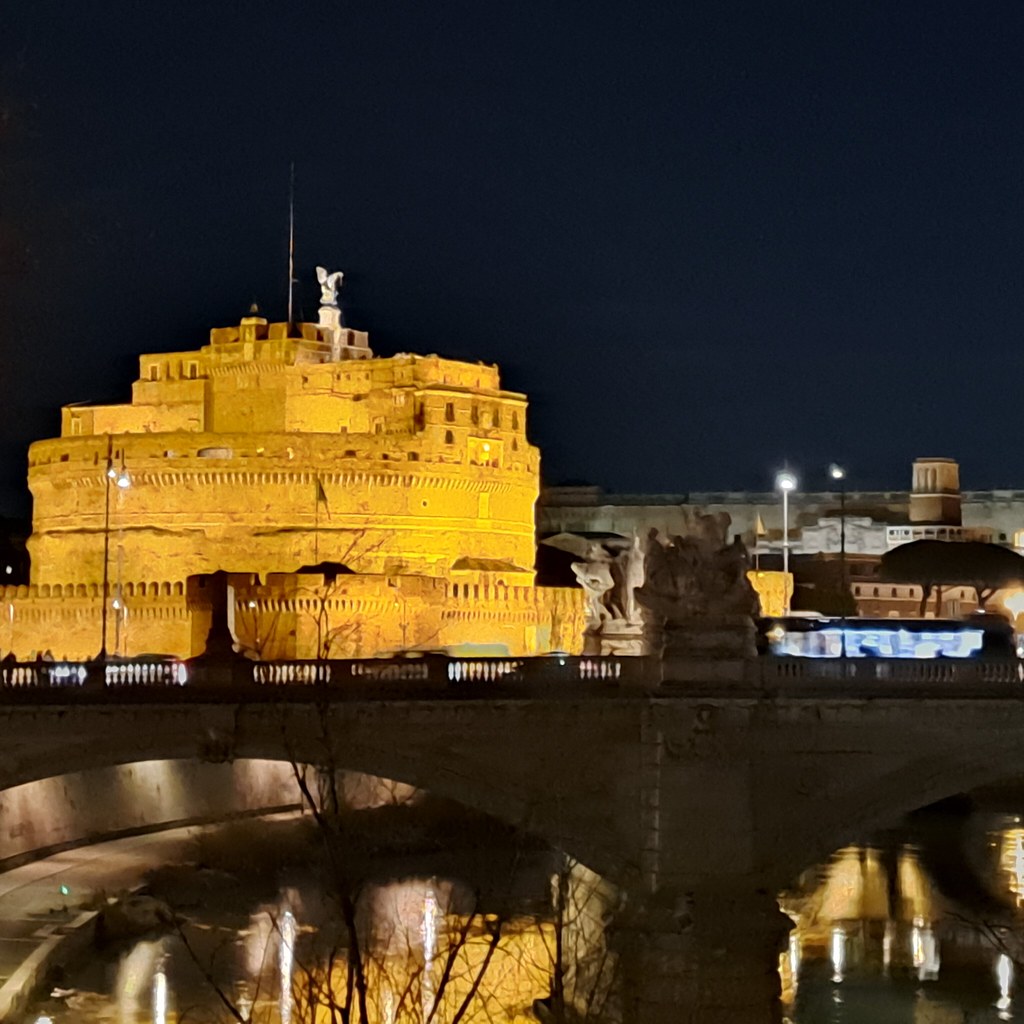
Castel Sant'Angelo

Castel Sant'Angelo

Score 101

Castel Sant'Angelo is a strong bridge site between Vatican depth and Rome's river-side urban drama.

Castel Sant'Angelo

Best areas to stay

Rome Historic Core

Best for first-time travelers who want central Rome to feel coherent, walkable, and rich in daily visual payoff.

Best for: first-timers, history, landmarks

Top hotels: Hotel NazionaleSix Senses RomePortrait Roma - Lungarno Collection

Pros: High daily payoff • Strong first-time efficiency

Cons: Crowded • Can be loud and expensive

Vatican & Prati

Best for travelers whose Rome trip depends on efficient Vatican mornings, calmer streets, and cleaner returns after museum-heavy days.

Best for: art-lovers, first-timers, slow-travelers

Top hotels: Hotel Indigo Rome - St. George By IHGRocco Forte Hotel de RussieThe First Arte

Pros: Best Vatican logistics • Cleaner pacing

Cons: Less immediate for Monti and Colosseum mornings • Can feel quieter than the baroque core

Trastevere & River Edge

Best for travelers who want evening atmosphere, a softer neighborhood tone, and Rome to feel social rather than purely monumental.

Best for: romantic-trips, slow-travelers, repeat-visits

Top hotels: Hotel Indigo Rome - St. George By IHGSix Senses RomeSinger Palace Hotel

Pros: Better evening energy • More lived-in atmosphere

Cons: Less formal than classic luxury Rome • Late-night noise in pockets

Hotel collections

Best Walkable Hotels in Central Rome

These hotels shorten Rome and help keep the trip shaped around real walking logic rather than theoretical map proximity.

Best Walkable Hotels in Central Rome

Best Romantic Hotels in Rome

These Rome hotels are strongest for couples who want the stay itself to shape the emotional tone of the trip.

Best Romantic Hotels in Rome

Sample itineraries

Continue planning

Rome Attraction, Hotel, and Itinerary Guides

Use the city guide as the main decision layer, then move into attraction pages, hotel collections, and day-by-day itineraries that make the route more specific.

Rome attraction guides

Colosseum

The Colosseum is Rome's defining monument and should be treated as a dedicated anchor rather than a quick photo stop.

Pantheon

The Pantheon is one of Rome's most efficient and visually complete heritage stops, especially from the central historic core.

Trevi Fountain

Trevi Fountain is iconic but should be handled as a timed mood piece, not the centre of a whole Rome day.

Rome itineraries

3 Days in Rome for First-Time Luxury Travelers

This 3-day Rome route is built for first timers, pairing the city’s headline sights with a base strategy that keeps movement simple and the pace comfortable.

3 Days in Rome for Design Lovers

This 3-day Rome route is built for design travelers, keeping architecture, neighborhood texture, and hotel placement in the foreground so the trip feels visually coherent.

4 Days in Rome at a Slower Pace

This 4-day Rome route is built for slow travelers, with enough room to keep Villa Borghese, Pantheon, and Roman Forum in one rhythm rather than rushing across the city.

Related city guides

London

London works best for travelers who want museum depth, heritage weight, and a hotel strategy that balances West End energy with premium quiet zones.

New York

New York works best for travelers who want neighborhood precision, landmark density, and hotel bases that keep daily cross-town friction under control.

Paris

Paris works best for travelers who want landmark density, museum depth, design-led neighborhoods, and hotel stays that reduce daily transit friction.