City Guide

Vienna Sustainable Luxury Travel Guide

Vienna works best for travelers who want imperial culture, strong hotel tradition, and a city where museum, music, and boulevard life can stay unusually orderly.

classical-culturefirst-timersluxury-city-breaksslow-travelers
Vienna

Why Vienna works

Best for classical grand hotels, well-run cultural days, and city breaks built around elegance rather than spectacle.

Vienna is structurally easy to navigate, so the main sustainability advantage comes from staying central enough to combine culture, dining, and walking without excess movement.

  • • Do not treat Schönbrunn, the Ringstrasse core, and the museum quarter as one compressed day.
  • • Vienna rewards measured sequencing more than dramatic itinerary ambition.

Top attractions

Schönbrunn Palace

Schönbrunn Palace

Score 115

Schönbrunn is Vienna's defining palace complex and is best handled as one complete half or full day rather than a quick outer-city detour.

Schönbrunn Palace
St. Stephen's Cathedral

St. Stephen's Cathedral

Score 112

St. Stephen's Cathedral is Vienna's central visual anchor and a useful orientation point for any first trip.

St. Stephen's Cathedral
Belvedere Palace

Belvedere Palace

Score 106

Belvedere is one of Vienna's most useful art-and-garden combinations, especially for travelers who want culture without pure museum fatigue.

Belvedere Palace
MuseumsQuartier

MuseumsQuartier

Score 103

MuseumsQuartier is one of Vienna's cleanest contemporary cultural districts and a strong counterweight to pure imperiality.

MuseumsQuartier
Ringstrasse & State Opera

Ringstrasse & State Opera

Score 104

The Ringstrasse and State Opera corridor give Vienna its strongest sense of civic grandeur and evening polish.

Ringstrasse & State Opera
Hofburg Palace

Hofburg Palace

Score 110

Hofburg Palace gives Vienna its imperial center of gravity and is best approached as part of a broader ceremonial-core day.

Hofburg Palace
Albertina

Albertina

Score 106

The Albertina is one of Vienna's most efficient high-value museum visits for shorter cultural trips.

Albertina
Prater & Riesenrad

Prater & Riesenrad

Score 101

Prater and the Riesenrad give Vienna a lighter, broader urban counterpoint to its imperial core.

Prater & Riesenrad
Naschmarkt & Wieden

Naschmarkt & Wieden

Score 100

Naschmarkt and nearby Wieden add a more lived-in, design-aware layer to Vienna beyond the formal core.

Naschmarkt & Wieden
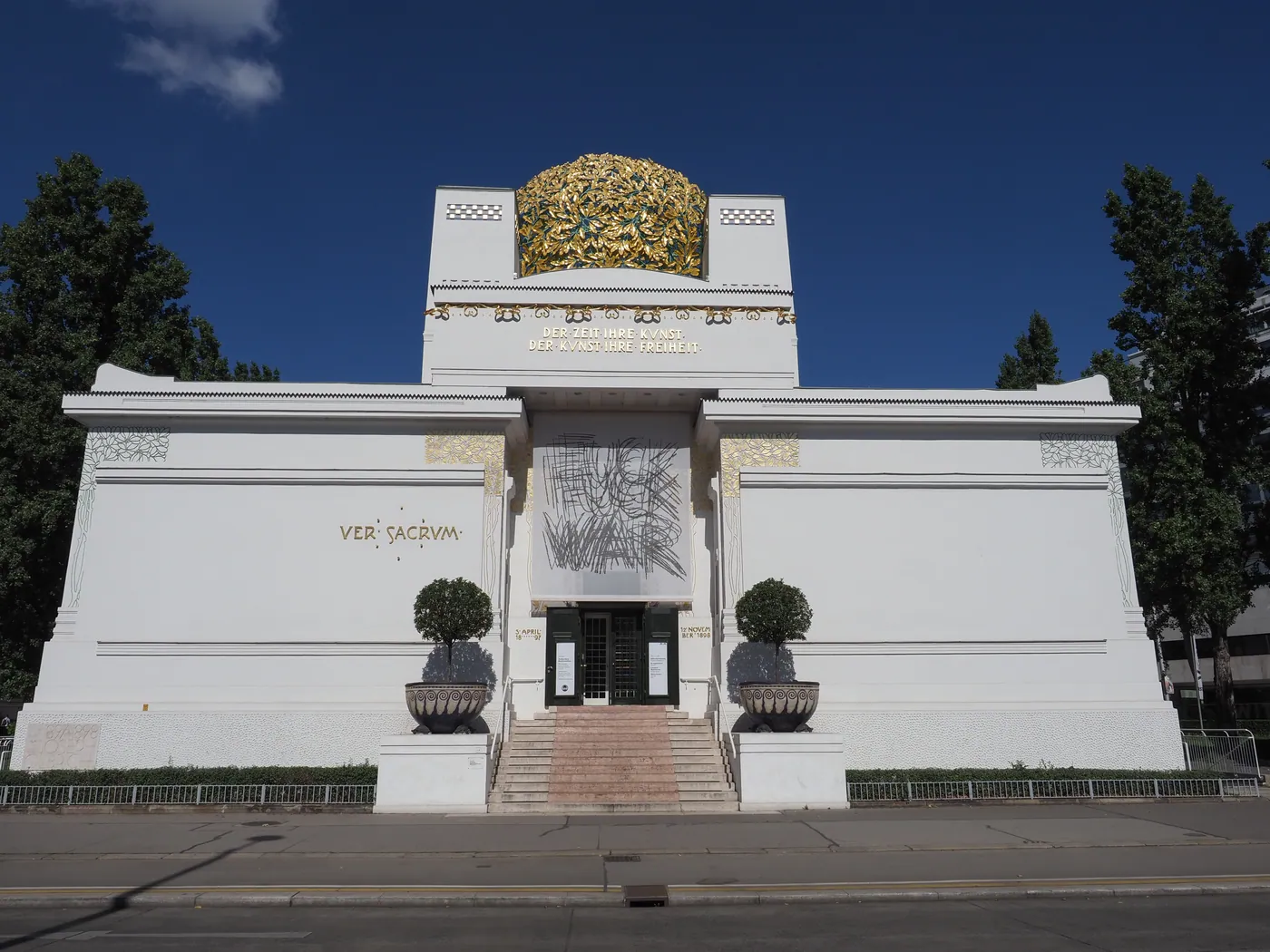
Vienna Secession & Karlsplatz

Vienna Secession & Karlsplatz

Score 99

Vienna Secession and Karlsplatz are the right move when the trip wants to go beyond imperial Vienna into design history and urban culture.

Vienna Secession & Karlsplatz

Best areas to stay

Innere Stadt

Best for first-time travelers who want Vienna to feel classical, efficient, and culturally dense.

Best for: first-timers, classical-culture, short-breaks

Top hotels: Hotel SacherPark Hyatt ViennaThe Amauris Vienna - Relais & Châteaux

Pros: Best cultural concentration • Strongest classic Vienna feeling

Cons: Premium pricing • Can feel formal rather than neighborhood-led

MuseumsQuartier & Neubau

Best for travelers who want Vienna to feel a little more contemporary without losing central access.

Best for: design-travelers, repeat-visits, slow-travelers

Top hotels: Hotel Sans Souci WienThe Amauris Vienna - Relais & ChâteauxHotel Sacher

Pros: Broader cultural tone • Good café and design atmosphere

Cons: Less immediately imperial • Slightly less polished for classic first-time expectations

Belvedere & Landstrasse Edge

Best for travelers who want a calmer, more spacious Vienna with strong palace access.

Best for: slow-travelers, romantic-trips, families

Top hotels: The Ritz-Carlton, ViennaHotel SacherThe Amauris Vienna - Relais & Châteaux

Pros: Calmer pacing • Good access to palace grounds and wider boulevards

Cons: Less immediate for Inner City spontaneity • Not the most atmospheric after dark

Ringstrasse & Opera Quarter

Best for travelers who want Vienna's grand-hotel and music-culture identity at the center of the stay.

Best for: classical-culture, luxury-city-breaks, first-timers

Top hotels: Hotel SacherThe Amauris Vienna - Relais & ChâteauxThe Ritz-Carlton, Vienna

Pros: Best evening culture tone • Excellent classic hotel stock

Cons: Formal and expensive • Less neighborhood intimacy

Hotel collections

Best Design Hotels in Vienna

These Vienna hotels work best when the stay needs to feel less ceremonial and a little more design-conscious.

Best Design Hotels in Vienna

Sample itineraries

Continue planning

Vienna Attraction, Hotel, and Itinerary Guides

Use the city guide as the main decision layer, then move into attraction pages, hotel collections, and day-by-day itineraries that make the route more specific.

Vienna attraction guides

Schönbrunn Palace

Schönbrunn is Vienna's defining palace complex and is best handled as one complete half or full day rather than a quick outer-city detour.

St. Stephen's Cathedral

St. Stephen's Cathedral is Vienna's central visual anchor and a useful orientation point for any first trip.

Belvedere Palace

Belvedere is one of Vienna's most useful art-and-garden combinations, especially for travelers who want culture without pure museum fatigue.

Vienna itineraries

3 Days in Vienna for First-Time Luxury Travelers

This 3-day Vienna route is built for first timers, pairing the city’s headline sights with a base strategy that keeps movement simple and the pace comfortable.

3 Days in Vienna for Design Lovers

This 3-day Vienna route is built for design travelers, keeping architecture, neighborhood texture, and hotel placement in the foreground so the trip feels visually coherent.

4 Days in Vienna at a Slower Pace

This 4-day Vienna route is built for slow travelers, with enough room to keep Belvedere Palace, MuseumsQuartier, and Schönbrunn Palace in one rhythm rather than rushing across the city.

Related city guides

London

London works best for travelers who want museum depth, heritage weight, and a hotel strategy that balances West End energy with premium quiet zones.

New York

New York works best for travelers who want neighborhood precision, landmark density, and hotel bases that keep daily cross-town friction under control.

Paris

Paris works best for travelers who want landmark density, museum depth, design-led neighborhoods, and hotel stays that reduce daily transit friction.