Colosseum

Italy / Rome / Essential/Main Attractions

14-Day Rome Essential Itinerary 2026: Colosseum and Roman Forum, Palatine Hill and Capitoline Museums, Monti Neighborhood and Trajan's Column Stroll, Pantheon and Piazza Navona

Experiencing Rome efficiently requires balancing monumental historical sites with the slow, observational pace of daily Italian life across its layered historic neighborhoods. This essential four-day master route groups iconic landmarks by geographic proximity to minimize unnecessary transit across cobbles and maximize quiet atmospheric moments. By scheduling heavy archaeological sites and high-demand museums during morning hours, travelers protect their energy for relaxed afternoon walking and traditional evening dining.

14 daysEssential/Main Attractions14 editorial days
Open city guide
Before booking, recheck opening hours, seasonal closures, timed entry rules, and ticket availability with the official venue.

Day 1

Ancient Imperial Foundations and Hilltop Panoramas

Colosseum and Roman Forum

Ancient Imperial Foundations and Hilltop Panoramas

Colosseum and Roman Forum & Palatine Hill and Capitoline Museums

3 stops

Begin your journey at the ancient epicenter of Roman civic life before ascending toward scenic elevated plazas. Traversing the monumental valley connects legendary gladiatorial arenas with imperial palace ruins and marble municipal squares. Sunset over the Forum offers an unhurried vantage point as evening light settles across the surrounding neighborhood trattorias.

Daily pro tip: Arrive at the Colosseum security check fifteen minutes before your ticketed slot with physical identification to ensure swift entry into the monument.
9 am

Morning

Colosseum and Roman Forum
Half day
Moderate
Colosseum and Roman Forum

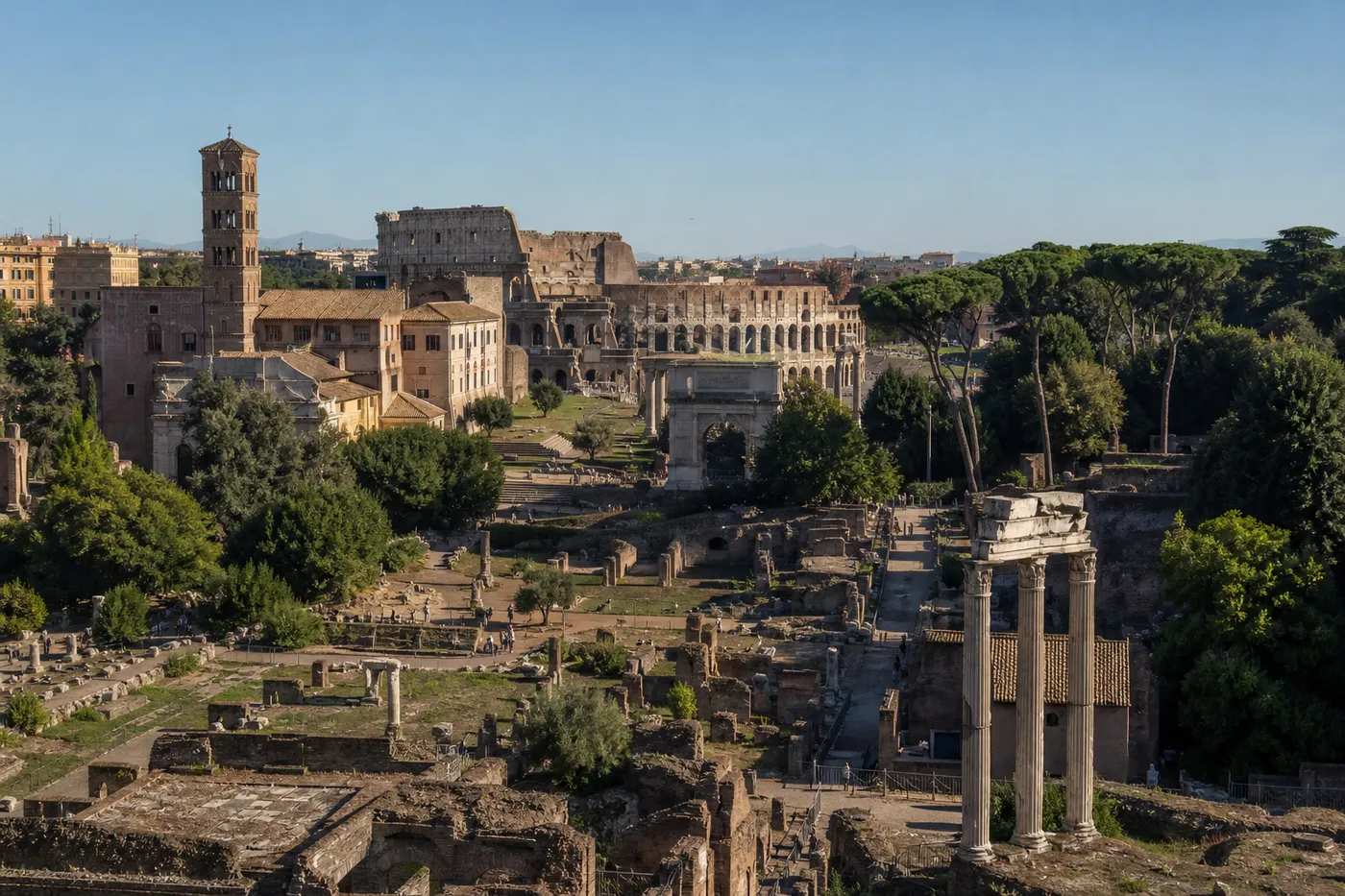
The monumental silhouette of the Colosseum stands as Rome's definitive historic anchor, capturing centuries of engineering brilliance and cultural drama. Stepping inside the massive travertine arches reveals a layered stadium architecture designed to seat tens of thousands of Roman citizens. Looking down onto the exposed hypogeum subterranean passages provides immediate insight into the sophisticated machinery powering ancient arena spectacles. Continuing into the neighboring Roman Forum, ruined temples and basilicas line the Sacred Way where triumphant processions once marched. Walking past the Arch of Titus toward the ancient Senate House reveals how political, religious, and economic life intersected. The sheer physical scale of these stone ruins creates a captivating bridge between ancient history and modern city life.

Morning

Timing

9 am - 12 pm

Budget

EUR 35

Transit

Walk uphill along the shaded stone path toward the Palatine Hill entrance gates near Via di San Gregorio.

Insider tip

Use the Stern entrance gate if specified on your reservation to bypass main tourist queue gathering points.

Planning notes

Live check

How to move

  1. 1.Exit Colosseo Metro Line B station directly onto the upper level plaza overlooking the arena.
  2. 2.Walk south along Via Nicola Salvi toward the Arch of Constantine pedestrian walkway.
  3. 3.Enter the main archaeological checkpoint adjacent to the Arch of Titus.

Why it fits

Ideal for history enthusiasts, architecture lovers, and first-time travelers seeking essential imperial monuments.

Quick food plan

Grab fresh espresso and cornetti at a quiet espresso bar tucked away on nearby Via Celimontana.

Nearby reset

Sit beneath shady pine trees inside the small park overlooking the Arch of Constantine along Via San Gregorio.

Weather fallback

Move under the covered stone corridors of the Colosseum's outer ring or visit the sheltered upper floor museum exhibition.

Cost cue

moderate

Live check

Verify current access, ticketing, and transit details close to travel.
Official site
1 pm

Afternoon

Palatine Hill and Capitoline Museums

Half day
Moderate
Palatine Hill and Capitoline Museums

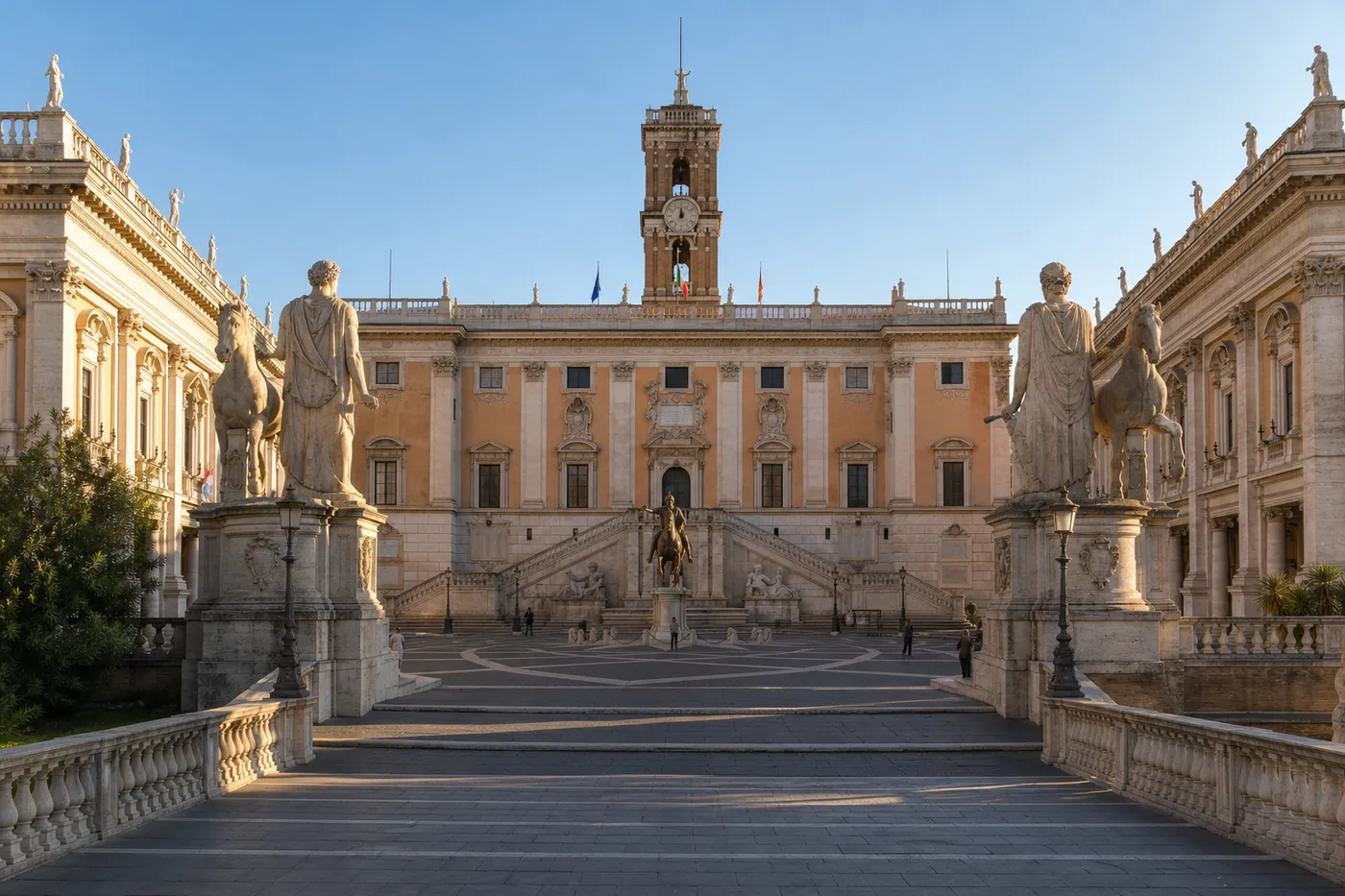
Ascending the pine-shaded slopes of the Palatine Hill shifts your perspective from public civic spaces to imperial private residential palaces. Ancient brick ruins of the Domus Augustana merge with Renaissance garden terraces, framing expansive views over the Circus Maximus racetrack below. Transitioning north toward the Capitoline Hill leads to Michelangelo's harmonious trapezoidal Piazza del Campidoglio. Inside the twin palaces of the Capitoline Museums, world-renowned bronzes and marble statues illustrate the artistic height of antiquity. The iconic bronze equestrian statue of Marcus Aurelius commands attention alongside the legendary Capitoline Wolf sculpture. Sweeping views from the Tabularium gallery provide a magnificent structural overview connecting the twin hills of ancient power.

Afternoon

Timing

1 pm - 4 pm

Budget

EUR 35

Transit

Walk down Michelangelo's Cordonata staircase into Piazza Venezia, then follow Via IV Novembre into Monti.

Insider tip

Walk through the Underground Tabularium tunnel for an exceptional framed panoramic view over the entire Roman Forum.

Planning notes

Live check

How to move

  1. 1.Exit the Capitoline Museums into Michelangelo's Piazza del Campidoglio.
  2. 2.Descend the shallow Cordonata staircase past the colossal marble statues of Castor and Pollux.
  3. 3.Cross Piazza Venezia at the pedestrian signal toward Via dei Fori Imperiali.

Why it fits

Suited for art history admirers, photography enthusiasts, and travelers interested in classical Antiquity masterpieces.

Quick food plan

Enjoy light panini or tramezzini at the museum rooftop cafe while admiring panoramic skyline vistas.

Nearby reset

Rest on stone benches in the shaded gardens of Villa Aldobrandini near Via Nazionale.

Weather fallback

Explore the climate-controlled indoor sculpture galleries and subterranean Tabularium connection corridor.

Cost cue

moderate

Live check

Verify current access, ticketing, and transit details close to travel.
Official site
6 pm

Evening

Monti Neighborhood and Trajan's Column Stroll

Half day
Low
Monti Neighborhood and Trajan's Column Stroll

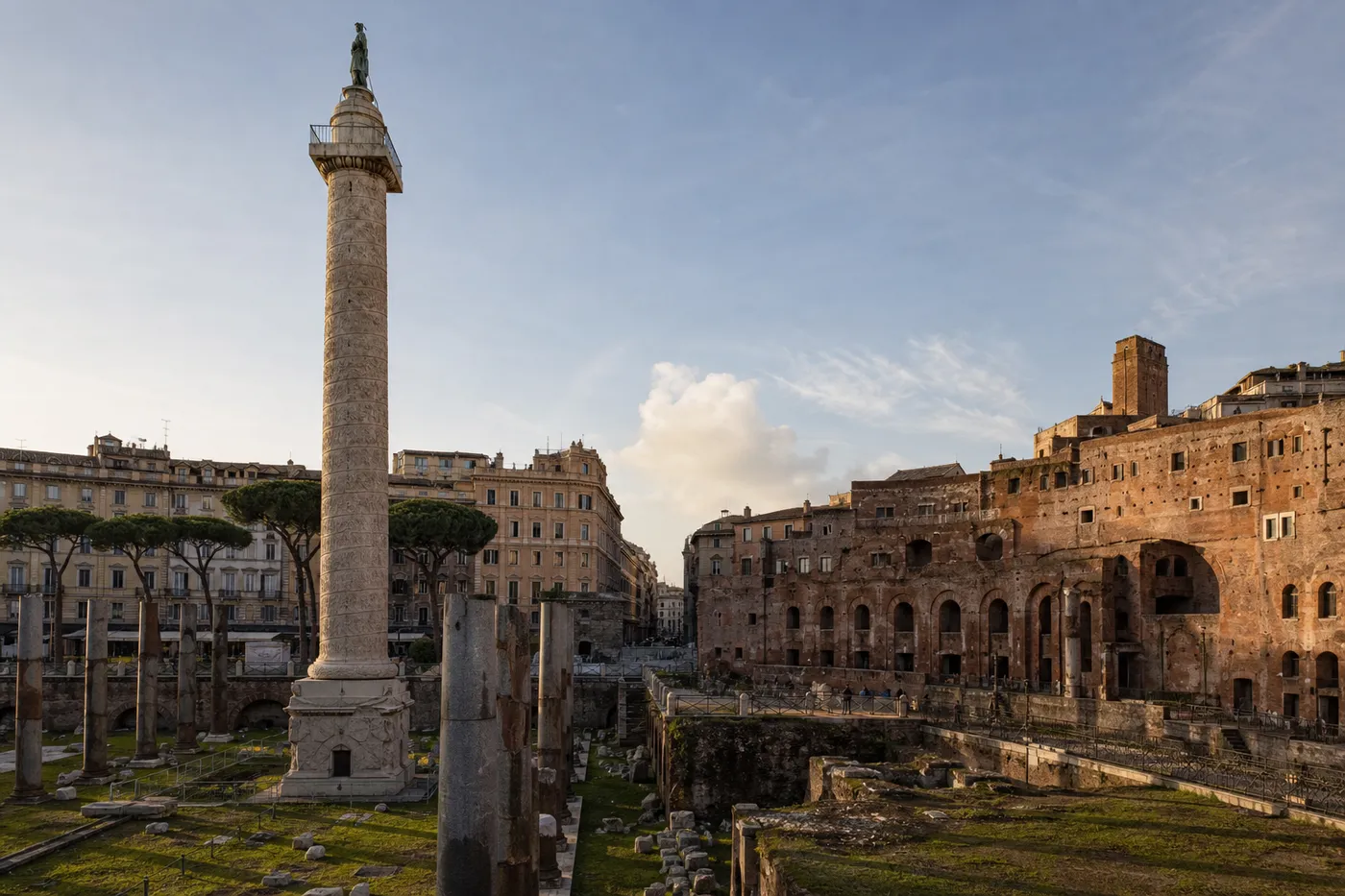
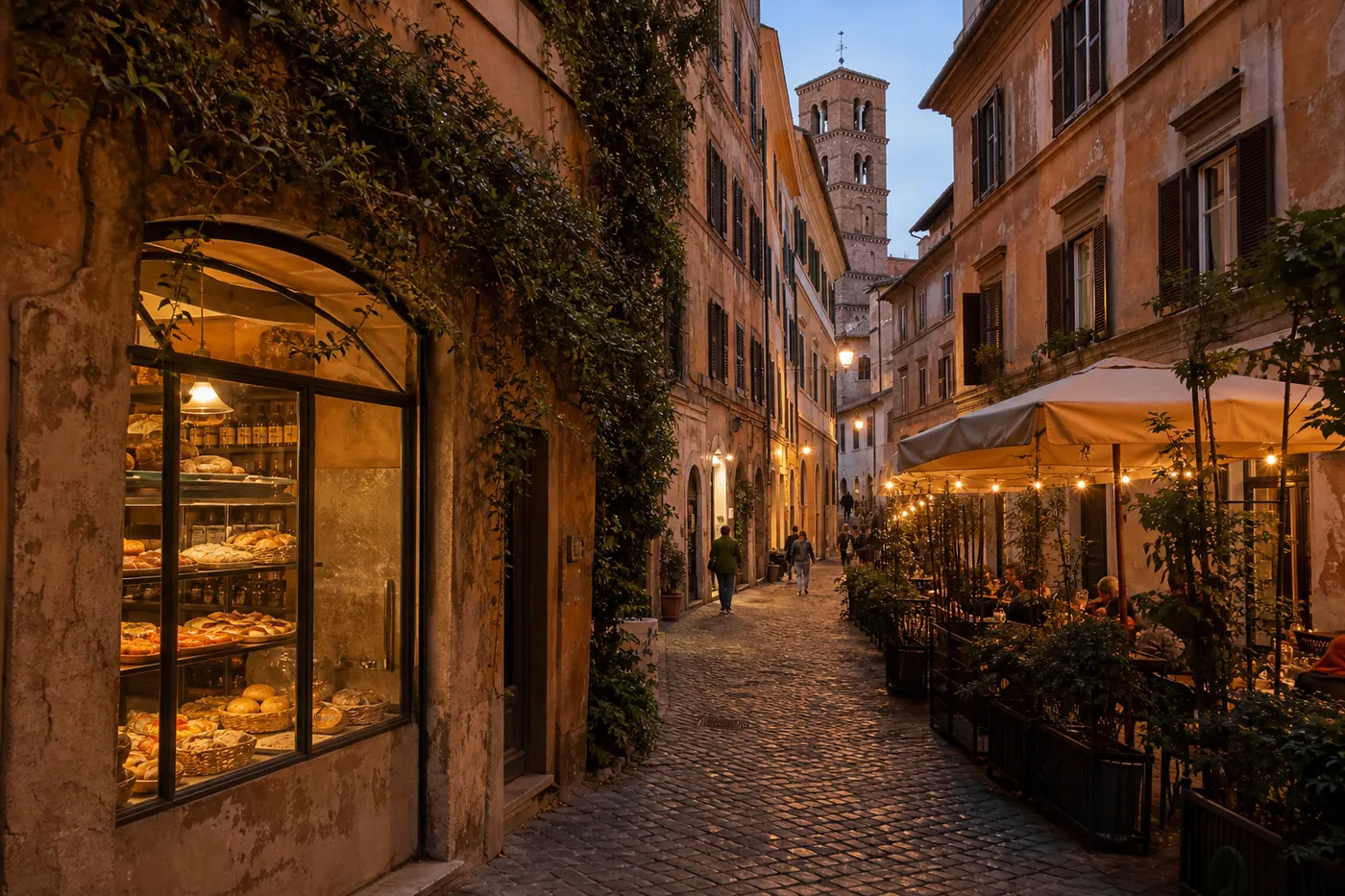
As evening approaches, the atmospheric residential quarter of Monti offers a charming contrast to the monumental scale of imperial ruins. Cobblestone lanes like Via Urbana and Via del Boschetto are lined with ivy-draped artisan shops, craft bakeries, and vibrant wine bars. Neighborhood life centers around Piazza Madonna dei Monti, where locals gather around the sixteenth-century fountain as shadows lengthen. Walking toward the edge of the district reveals Trajan’s Column rising elegantly beside the ruined halls of Trajan’s Market. The intricate spiral relief carvings detail ancient military campaigns with extraordinary artistic clarity. Ending your day here allows you to experience Rome’s historic continuity while enjoying authentic culinary traditions in a relaxed setting.

Evening

Timing

6 pm - 9 pm

Budget

EUR 12

Transit

Walk three minutes to Cavour Metro Line B station or board local buses on Via Nazionale for hotel returns.

Insider tip

Visit Trajan's Column at dusk when subtle exterior spotlights highlight the detailed helical marble relief carvings.

Planning notes

How to move

  1. 1.Stroll down Via dei Serpenti toward the central square of Piazza Madonna dei Monti.
  2. 2.Follow Via Tor de' Conti west toward the archaeological viewing railing of Trajan's Forum.
  3. 3.Walk two blocks north up Via Cavour to reach Cavour Metro B station.

Why it fits

Perfect for evening strollers, food lovers, and travelers seeking authentic local atmospheric neighborhoods.

Quick food plan

Savor wood-fired pizza by the slice or traditional Roman pasta dishes at neighborhood trattorias on Via del Boschetto.

Nearby reset

Sit around the central stone fountain in Piazza Madonna dei Monti alongside local residents.

Weather fallback

Step inside cozy neighborhood wine bars or indoor trattorias along Via Urbana.

Cost cue

low

Official site

Day 2

Baroque Squares, Fountains, and Historic Alleyways

Pantheon and Piazza Navona

Baroque Squares, Fountains, and Historic Alleyways

Pantheon and Piazza Navona & Trevi Fountain and Spanish Steps

3 stops

Spend the day discovering Rome's magnificent Baroque heart where dramatic stone fountains and historic plazas line narrow pedestrian lanes. Morning architectural marvels give way to afternoon strolls past famous marble monuments and vibrant shopping streets. As dusk arrives, cross historic bridges toward atmospheric market squares offering classic regional dining options.

Daily pro tip: Keep small euro coins handy if you plan to toss a coin into the Trevi Fountain or make small market purchases.
9 am

Morning

Pantheon and Piazza Navona

Half day
Low
Pantheon and Piazza Navona

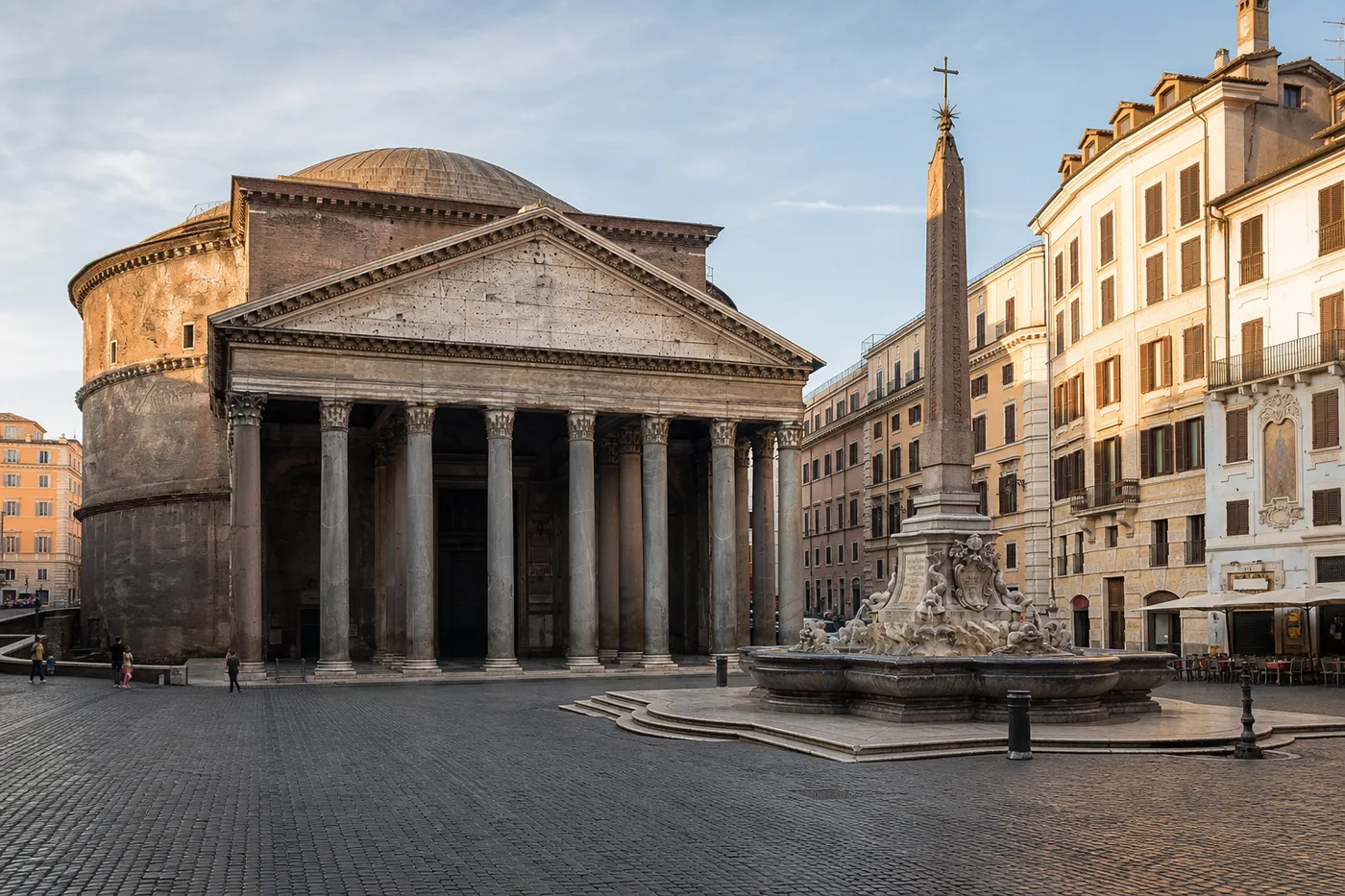
The Pantheon remains one of the best-preserved monuments of the ancient world, renowned for its colossal coffered concrete dome. Stepping through massive bronze doors into the circular interior highlights the architectural harmony of its perfect proportions. Light streams through the nine-meter open oculus, illuminating marble floors and tombs of Italian monarchs and Renaissance master Raphael. A short walk through narrow cobblestone alleys leads to Piazza Navona, built upon the ancient stadium of Domitian. Bernini's centerpiece Fountain of the Four Rivers features dynamic marble sculptures representing major world rivers surrounding an Egyptian obelisk. Outdoor café seating and street artists add lively character to this famous Baroque public plaza.

Morning

Timing

9 am - 12 pm

Budget

EUR 12

Transit

Walk east along Via del Seminario and Via delle Muratte toward the Trevi Fountain.

Insider tip

Look up through the central oculus around midday when sunlight creates a dramatic beam across interior marble floors.

Planning notes

Live check

How to move

  1. 1.Exit Piazza della Rotonda on the east side via Via del Seminario.
  2. 2.Cross Via del Corso at the marked pedestrian zebra crossing.
  3. 3.Follow the pedestrian signs down Via delle Muratte directly to Trevi Fountain.

Why it fits

Essential for architectural historians, first-time visitors, and fans of Roman engineering masterworks.

Quick food plan

Enjoy a world-famous granita di caffe topped with whipped cream at a café near Piazza Sant'Eustachio.

Nearby reset

Relax inside the quiet, cool interior of the nearby Church of Saint Louis of the French.

Weather fallback

Retain indoor shelter beneath the massive concrete ceiling of the Pantheon during rain showers.

Cost cue

low

Live check

Verify current access, ticketing, and transit details close to travel.

Official site
1 pm

Afternoon

Trevi Fountain and Spanish Steps

Half day
Free
Trevi Fountain and Spanish Steps

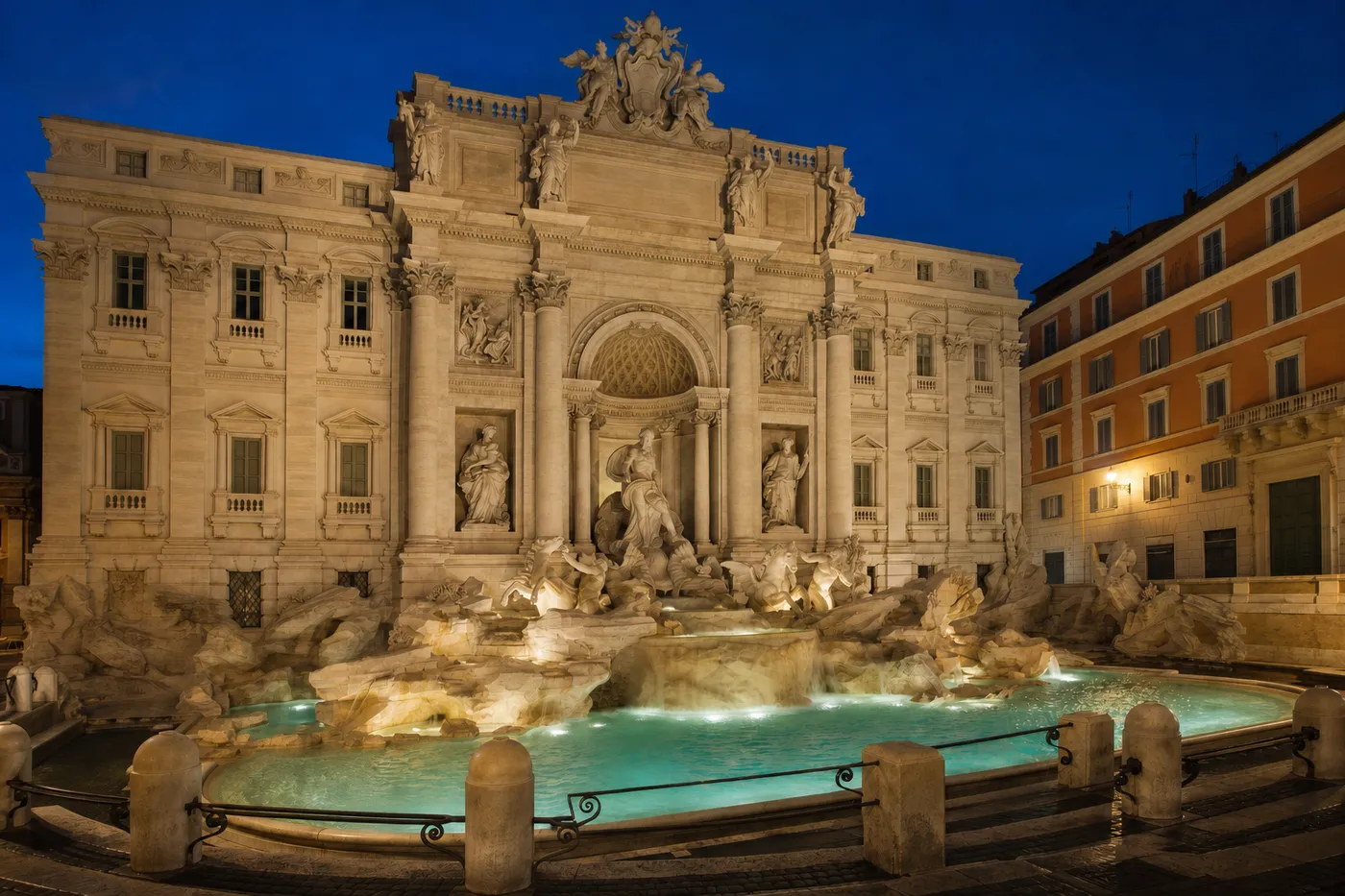
The dramatic spectacle of Trevi Fountain captures the grandeur of Baroque Rome, with water rushing over travertine rocks into a crystal-blue basin. Sculpted figures of Oceanus, Tritons, and sea horses create a theatrical monument built against the facade of Palazzo Poli. Following traditional custom, travelers toss a coin over their shoulder to ensure a future return to the Eternal City. Continuing north along fashion-filled Via Condotti brings you to Piazza di Spagna and the majestic Spanish Steps. This monumental 135-step staircase ascends toward the twin towers of Trinità dei Monti church. At the base, Bernini's boat-shaped Barcaccia fountain provides continuous mountain spring water to passing travelers.

Afternoon

Timing

1 pm - 4 pm

Budget

EUR 0

Transit

Walk south along Via di Santa Maria in Via toward Corso Vittorio Emanuele II and Campo de' Fiori.

Insider tip

Stand near the center railing of Trevi Fountain to throw your coin over your left shoulder for good luck.

Planning notes

How to move

  1. 1.Walk south from Piazza di Spagna down Via del Babuino toward Piazza del Popolo or south along Via del Corso.
  2. 2.Turn west onto Via del Plebiscito near Piazza Venezia.
  3. 3.Follow Via dei Baullari south directly into Campo de' Fiori.

Why it fits

Wonderful for photographers, sightseers, and couples exploring iconic city monuments.

Quick food plan

Treat yourself to artisanal gelato from historic gelaterias situated along Via delle Muratte.

Nearby reset

Sit quietly on stone ledges near the Fountain of the Baboon along Via del Babuino.

Weather fallback

Browse luxury boutiques and covered art galleries along nearby Via dei Condotti.

Cost cue

free

Official site
6 pm

Evening

Campo de' Fiori and Jewish Ghetto

Half day
Low
Campo de' Fiori and Jewish Ghetto

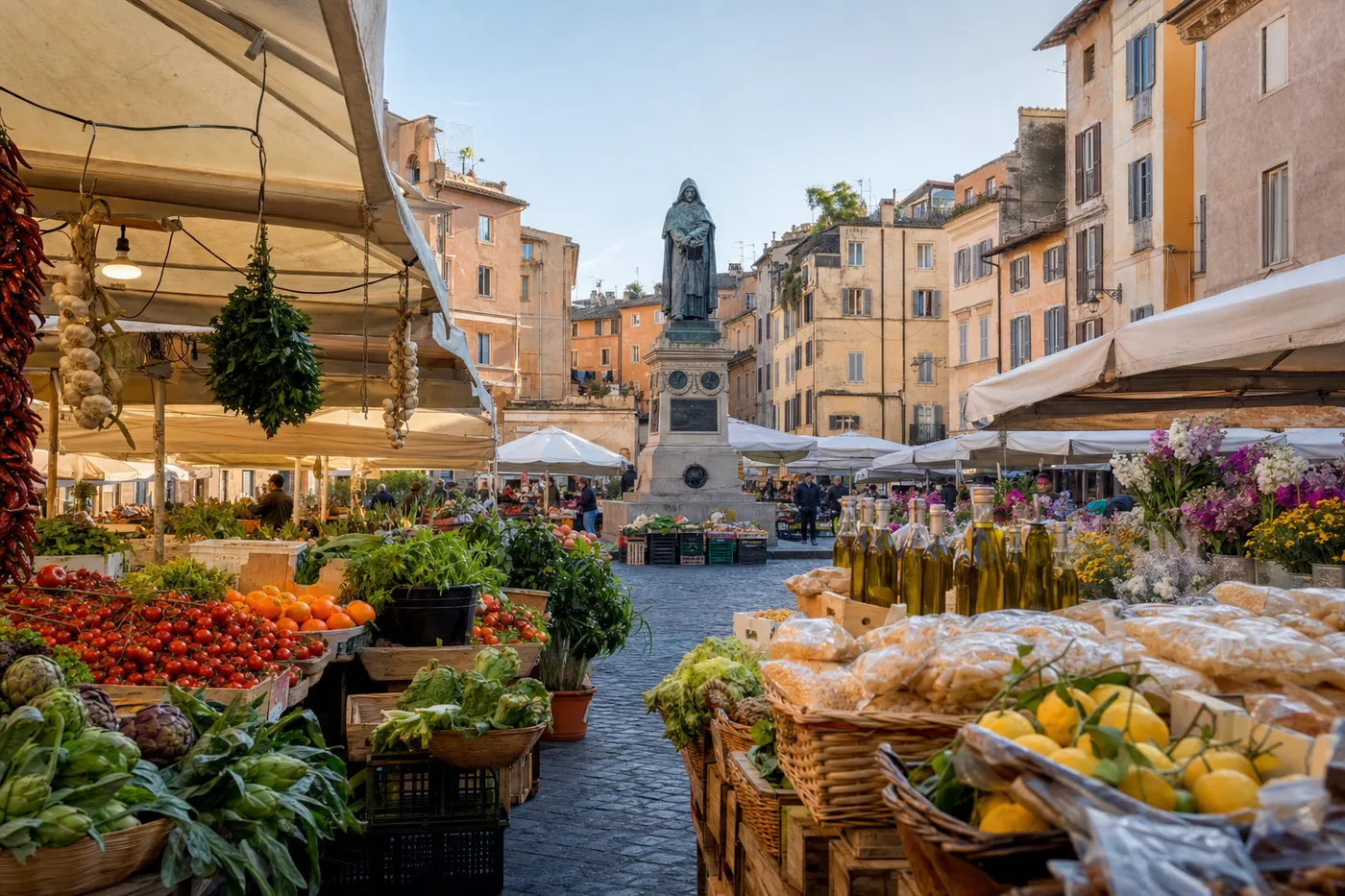
Campo de' Fiori transitions from a bustling morning produce market into a lively evening gathering space anchored by the bronze statue of philosopher Giordano Bruno. Outdoor trattoria tables spill across the cobblestone square under warm evening lighting. Walking south across Via dei Giubbonari brings you into the historic Jewish Ghetto, one of Europe's oldest Jewish quarters. The area is filled with immense historic character, featuring narrow alleys, ancient stone ruins, and Renaissance palaces. The Portico d'Ottavia ruins stand proudly beside the Great Synagogue along the Tiber riverbank. Culinary traditions here are famous worldwide, offering unique dishes like fried artichokes and sweet ricotta sour cherry tarts.

Evening

Timing

6 pm - 9 pm

Budget

EUR 12

Transit

Walk two blocks south to the Arenula/Cairoli tram stop for Tram 8 connections or walk toward Tiber bridges.

Insider tip

Look for small brass stumbling stones (Pietre d'Inciampo) embedded in cobblestones honoring historic residents.

Planning notes

Live check

How to move

  1. 1.Head south from Campo de' Fiori along Via dei Baullari.
  2. 2.Cross Via Arenula near the Largo di Torre Argentina transit corridor.
  3. 3.Walk east down Via del Portico d'Ottavia to reach the heart of the Jewish Ghetto.

Why it fits

Ideal for food lovers, culture enthusiasts, and evening strollers seeking rich local culinary history.

Quick food plan

Sample traditional carciofi alla giudia (crispy fried artichokes) at historic bakeries or trattorias.

Nearby reset

Enjoy a quiet moment near the Turtle Fountain (Fontana delle Tartarughe) in Piazza Mattei.

Weather fallback

Dine inside warm, family-run kosher trattorias along Via del Portico d'Ottavia.

Cost cue

low

Live check

Verify current access, ticketing, and transit details close to travel.

Official site

Day 3

Vatican State Treasures and Riverbank Fortresses

Vatican Museums and Sistine Chapel

Vatican State Treasures and Riverbank Fortresses

Vatican Museums and Sistine Chapel & St. Peter's Basilica and Square

3 stops

Cross the Tiber River into Vatican City to explore world-famous papal museum galleries and Saint Peter's Basilica. Afternoon spiritual and artistic discoveries are followed by a riverside walk along papal fortress battlements. Conclude your day with elegant dining along the tree-lined avenues of the Prati neighborhood.

Daily pro tip: Dress appropriately with covered shoulders and knees to clear Vatican security checkpoints without delay.
9 am

Morning

Vatican Museums and Sistine Chapel

Half day
High
Vatican Museums and Sistine Chapel

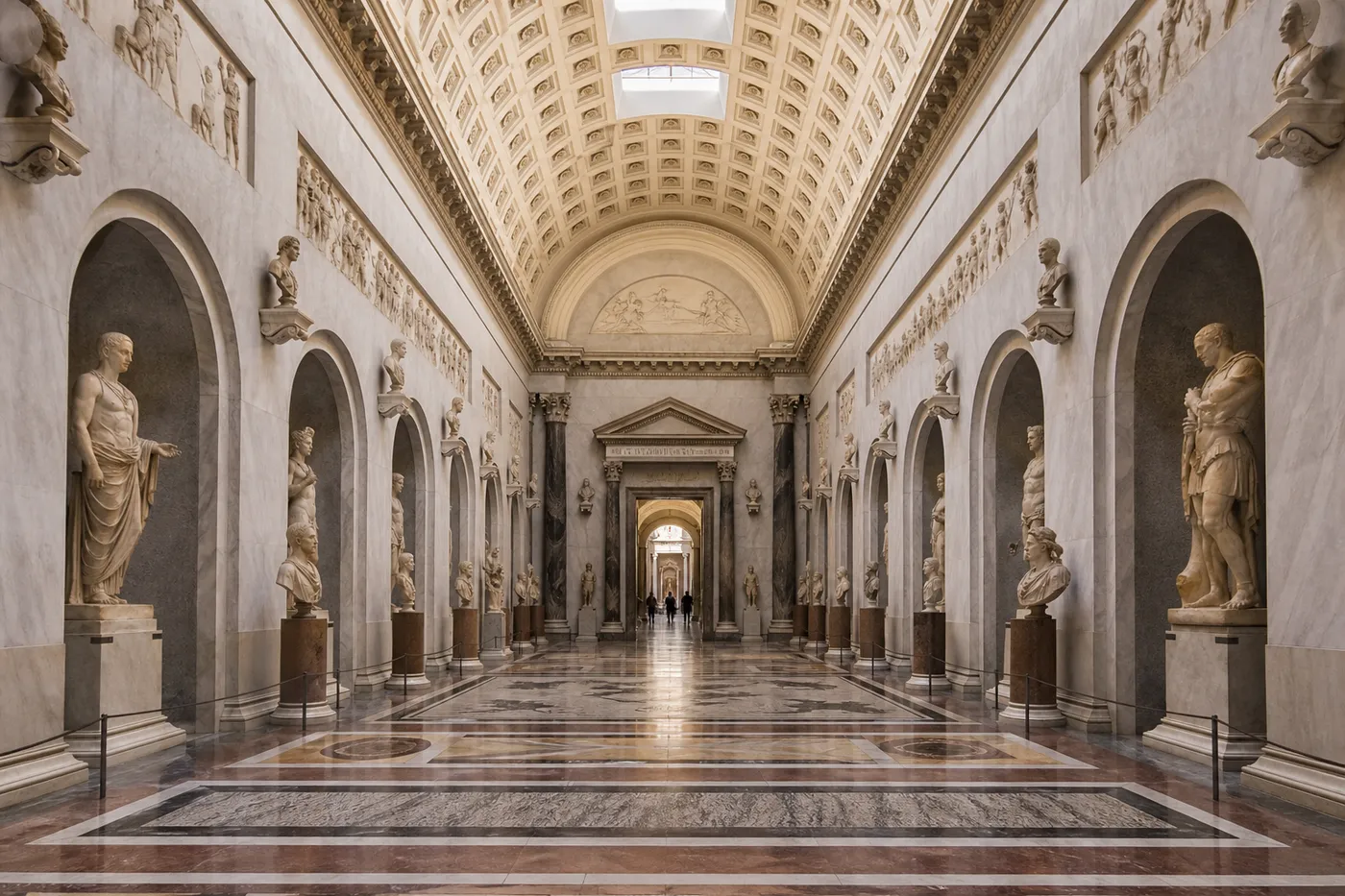
The Vatican Museums contain one of the world's most impressive art collections, amassed by popes over centuries. Walking through miles of ornate corridors reveals ancient Greek and Roman sculptures like the Laocoön and Apollo Belvedere. The Gallery of Maps displays stunning sixteenth-century topographical frescoes under a golden barrel-vaulted ceiling. Continuing through the papal apartments leads to the Raphael Rooms, where Renaissance frescoes capture philosophical and theological ideals. The museum journey culminates inside the Sistine Chapel, where Michelangelo’s masterpiece ceiling frescoes depict Biblical creation scenes. Wall frescoes and The Last Judgement behind the altar showcase breathtaking artistic power, making this an unforgettable cultural experience.

Morning

Timing

9 am - 12 pm

Budget

EUR 60

Transit

Walk fifteen minutes around the Vatican fortress walls south toward Saint Peter's Square.

Insider tip

Head directly to the Raphael Rooms upon opening to experience the famous School of Athens fresco with minimal crowd density.

Planning notes

Live check

How to move

  1. 1.Exit the main Vatican Museums gate onto Viale Vaticano.
  2. 2.Turn right and follow the brick perimeter walls south along Via Leone IV.
  3. 3.Enter Saint Peter's Square through the marble colonnade under the right arm of Bernini's piazza.

Why it fits

Essential for art lovers, religious history scholars, and visitors seeking iconic world cultural heritage.

Quick food plan

Grab fresh panini, fruit cups, or espresso at the museum courtyard cafeteria before exploring galleries.

Nearby reset

Sit quietly in the expansive Pinecone Courtyard (Cortile del Belvedere) amidst classical statues.

Weather fallback

Enjoy complete climate-controlled protection across miles of indoor museum corridors and gallery halls.

Cost cue

high

Live check

Verify current access, ticketing, and transit details close to travel.

Official site
1 pm

Afternoon

St. Peter's Basilica and Square

Half day
Free
St. Peter's Basilica and Square

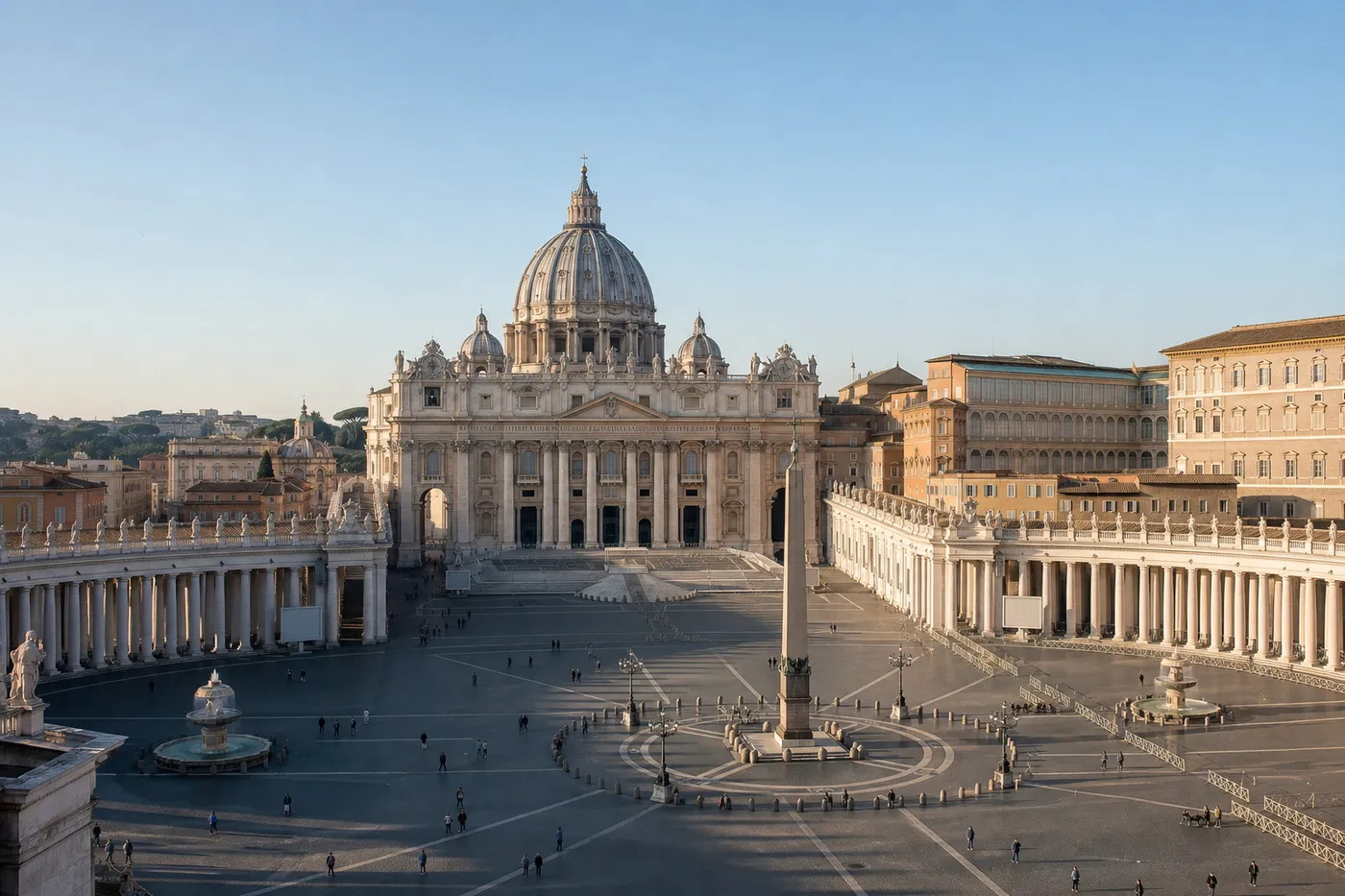
Saint Peter's Basilica stands as the spiritual heart of the Catholic world, framed by Bernini’s sweeping elliptical colonnade in Saint Peter's Square. Stepping inside the vast nave reveals awe-inspiring proportions, golden coffered ceilings, and polished marble floors. Near the entrance, Michelangelo’s delicate marble Pietà captures profound grief and beauty with extraordinary sculptural skill. At the central crossing, Bernini’s monumental bronze Baldacchino towers over the high altar beneath Michelangelo’s immense dome. Light filters down through soaring clerestory windows, illuminating papally commissioned mosaics and monuments. Climbing to the dome balcony provides breathtaking views looking down onto the main altar and across the city skyline.

Afternoon

Timing

1 pm - 4 pm

Budget

EUR 0

Transit

Walk straight east along Via della Conciliazione toward the Tiber River and Castel Sant'Angelo.

Insider tip

Climb the dome elevator and steps for an extraordinary panoramic view across Vatican Gardens and all of Rome.

Planning notes

Live check

How to move

  1. 1.Exit Saint Peter's Square into the broad boulevard of Via della Conciliazione.
  2. 2.Walk east for eight blocks past embassy buildings and marble fountains.
  3. 3.Arrive at the moat gardens surrounding the circular stone walls of Castel Sant'Angelo.

Why it fits

Suitable for pilgrims, architectural enthusiasts, and travelers appreciating monumental Renaissance construction.

Quick food plan

Enjoy wood-fired pizza slices or espresso at coffee shops lining nearby Via di Porta Angelica.

Nearby reset

Sit in the shade beneath Bernini's massive marble colonnade pillars bordering the oval square.

Weather fallback

Seek shelter inside the vast, protected marble interior of the Basilica nave.

Cost cue

free

Live check

Verify current access, ticketing, and transit details close to travel.

Official site
6 pm

Evening

Castel Sant'Angelo and Prati Riverbanks

Half day
Moderate
Castel Sant'Angelo and Prati Riverbanks

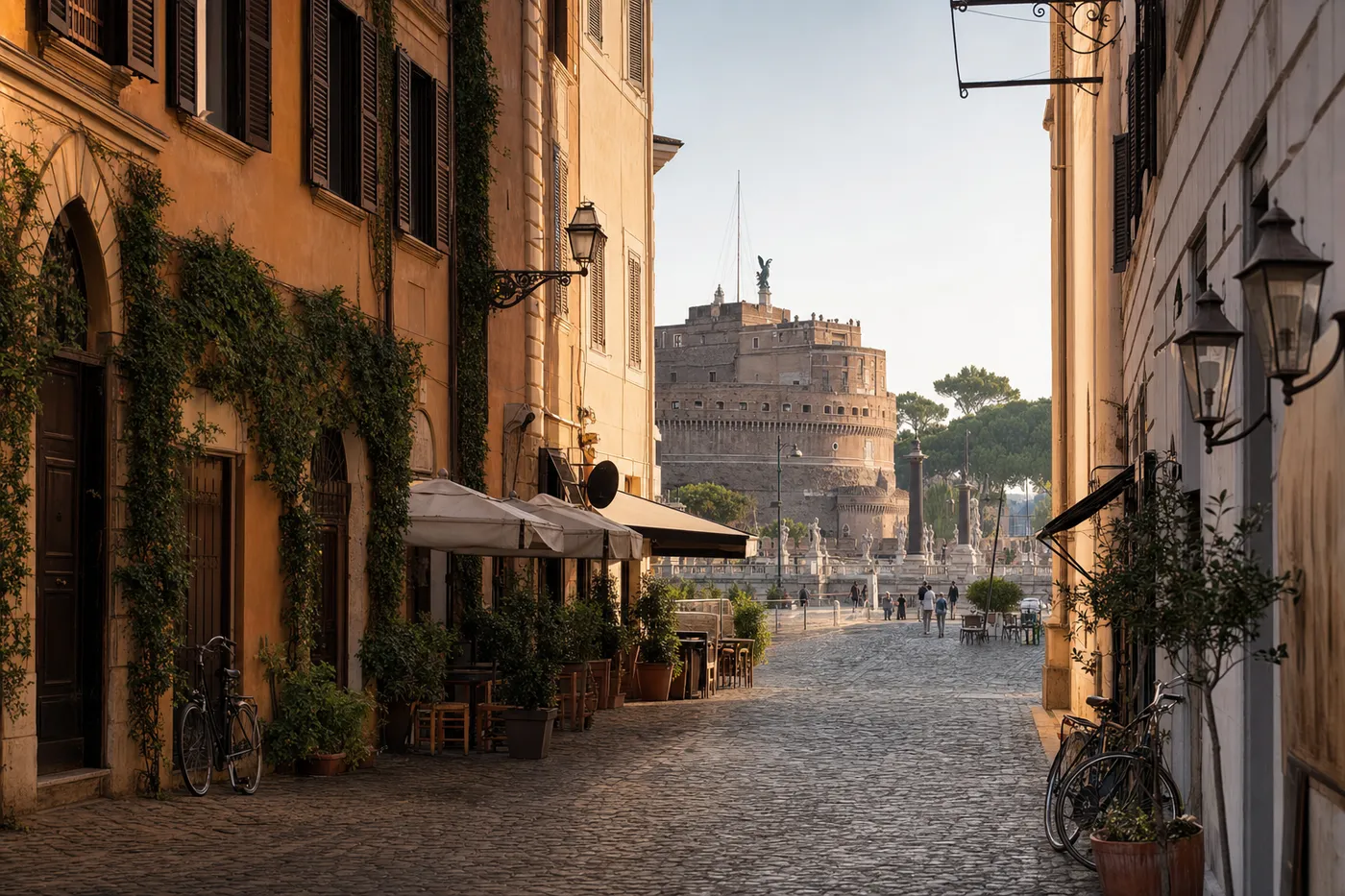
Castel Sant'Angelo offers a fascinating glimpse into Rome's layered history, originally built as Emperor Hadrian's mausoleum in the second century. Converted into a formidable papal fortress and castle during the Middle Ages, the massive cylindrical stone structure features a secret fortified corridor connecting to the Vatican. Ascending interior ramp passages leads past historical armories to luxurious Renaissance papal apartments decorated with vibrant frescoes. The upper terrace, crowned by the bronze statue of Archangel Michael, provides spectacular views across the Tiber River toward Saint Peter's dome. Crossing the pedestrian Ponte Sant'Angelo past Bernini’s marble angel statues leads into the elegant Prati neighborhood, perfect for quiet evening dining.

Evening

Timing

6 pm - 9 pm

Budget

EUR 35

Transit

Walk ten minutes north to Lepanto or Ottaviano Metro Line A stations or take local buses across the Tiber.

Insider tip

Walk across the pedestrian Ponte Sant'Angelo at dusk to photograph Bernini's angel statues against the setting sun.

Planning notes

Live check

How to move

  1. 1.Cross the pedestrian Ponte Sant'Angelo bridge south over the Tiber River.
  2. 2.Follow Lungotevere Castello east past Parco Adriano.
  3. 3.Walk three blocks north along Via Stefano Porcari into the main Prati shopping and dining zone.

Why it fits

Great for history buffs, sunset photography seekers, and evening diners desiring refined neighborhood ambiance.

Quick food plan

Savor gourmet gelato or classic Roman pasta dishes along the residential dining corridors of Via Crescenzio.

Nearby reset

Walk through the green park trees of Parco Adriano surrounding the fortress moat walls.

Weather fallback

Explore the covered brick ramparts, interior papal apartments, and historical armory displays inside the castle.

Cost cue

moderate

Live check

Verify current access, ticketing, and transit details close to travel.
Official site

Day 4

Parkland Masterpieces, Hilltop Views, and Trastevere Nights

Galleria Borghese and Villa Borghese Gardens

Parkland Masterpieces, Hilltop Views, and Trastevere Nights

Galleria Borghese and Villa Borghese Gardens & Aventine Hill and Orange Garden

3 stops

Spend your final day immersing yourself in masterwork art collections framed by tranquil parklands before discovering quiet hilltop vistas. Afternoon walks lead past secret garden overlooks offering sweeping panoramas over the city's dome-filled horizon. Finish your journey across the Tiber River in Trastevere's lively dining lanes under glowing street lamps.

Daily pro tip: Reserve Galleria Borghese entry tickets far in advance as strict two-hour visiting slots are enforced without exception.
9 am

Morning

Galleria Borghese and Villa Borghese Gardens

Half day
Premium
Galleria Borghese and Villa Borghese Gardens

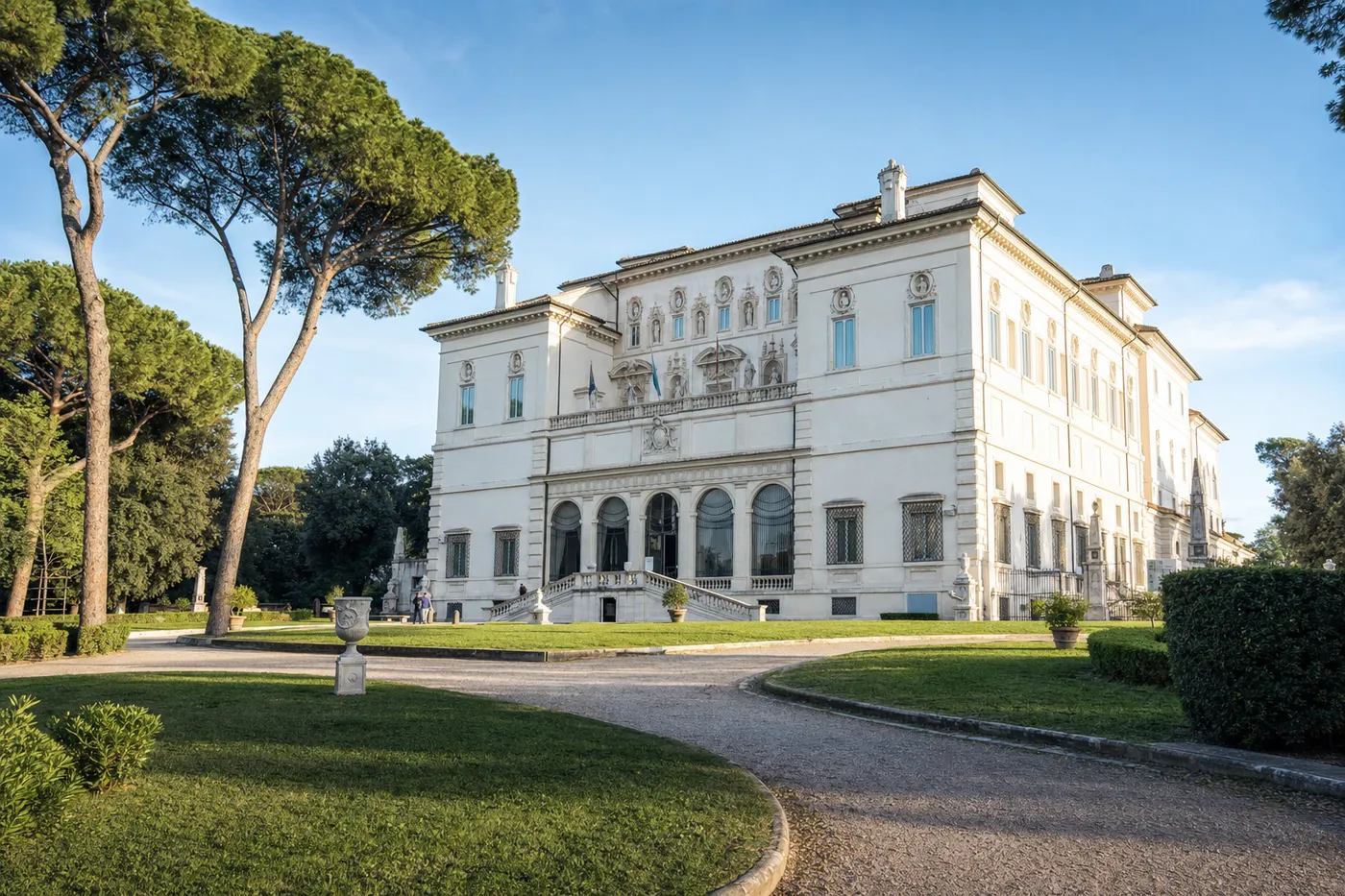
Housed within a stunning seventeenth-century villa, Galleria Borghese contains one of the world’s finest private art collections. Cardinal Scipione Borghese commissioned masterworks that define Baroque dynamic art, most notably Gian Lorenzo Bernini's marble sculptures. Marveling at Apollo and Daphne captures the miraculous transformation of flesh into marble leaves with incredible realism. The collection also features Bernini's David and The Rape of Proserpina, alongside an extraordinary room dedicated to Caravaggio's dramatic chiaroscuro paintings. Surrounding the villa, the vast Villa Borghese gardens feature shaded walking paths, quiet fountains, and landscaped lawns. A stroll through the park toward the Pincio Terrace yields sweeping views overlooking Piazza del Popolo.

Morning

Timing

9 am - 12 pm

Budget

EUR 100

Transit

Walk through Villa Borghese gardens west toward the Pincio Terrace or take bus 160 south toward the Aventine Hill.

Insider tip

Focus your first hour on Bernini's groundbreaking sculptures on the ground floor before exploring upper gallery paintings.

Planning notes

Live check

How to move

  1. 1.Exit Galleria Borghese into Piazzale Scipione Borghese.
  2. 2.Follow Viale del Museo Borghese west through the shaded pine trees.
  3. 3.Walk down the Pincio Terrace steps into Piazza del Popolo to access Metro Line A Flaminio station.

Why it fits

Essential for art connoisseurs, sculpture enthusiasts, and travelers looking for serene parkland settings.

Quick food plan

Pick up fresh espresso and pastries at the museum basement café or enjoy a park kiosk sandwich.

Nearby reset

Rent a small wooden rowboat at the tranquil Villa Borghese lake near the Temple of Aesculapius.

Weather fallback

Enjoy the climate-controlled indoor gallery rooms housing world-renowned oil paintings and marble masterworks.

Cost cue

premium

Live check

Verify current access, ticketing, and transit details close to travel.

Official site
1 pm

Afternoon

Aventine Hill and Orange Garden

Half day
Free
Aventine Hill and Orange Garden

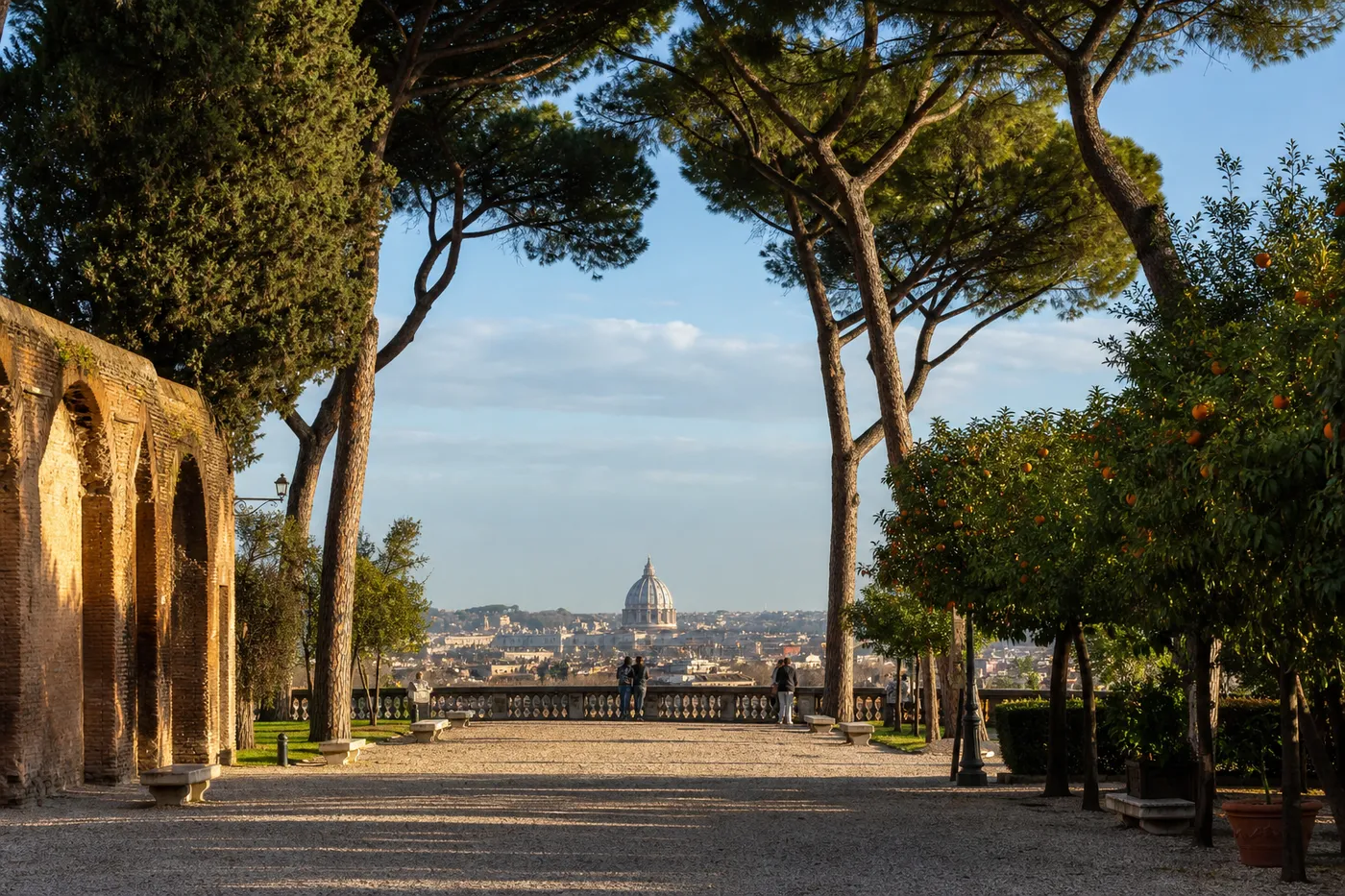
The Aventine Hill offers an elegant, tranquil refuge above the bustling city, famous for its romantic gardens and unique vistas. At Piazza dei Cavalieri di Malta, visitors line up to peer through the small brass keyhole of the Priory gate. The view presents a perfectly framed optical alignment where manicured garden hedges frame Saint Peter’s Basilica dome in the distance. A short walk leads to the Giardino degli Aranci, or Orange Garden, where sweet-smelling citrus trees shade stone pathways. The terrace at the garden’s edge provides an exceptional panoramic viewpoint over the Tiber River, Santa Maria in Cosmedin, and the distant skyline of central Rome.

Afternoon

Timing

1 pm - 4 pm

Budget

EUR 0

Transit

Descend the hill toward the Tiber River bank, cross Ponte Sublicio, and enter Trastevere.

Insider tip

Look through the brass keyhole of the Priory of the Knights of Malta to see Saint Peter's dome framed perfectly by hedges.

Planning notes

Live check

How to move

  1. 1.Walk down Via di Santa Sabina toward the Clivo dei Publicii exit path.
  2. 2.Cross Via dei Cerchi near the western tip of Circus Maximus.
  3. 3.Cross the Tiber River via Ponte Sublicio to reach the edge of Trastevere.

Why it fits

Wonderful for romantic couples, view seekers, and travelers desiring a tranquil escape from busy central streets.

Quick food plan

Enjoy light sandwiches or seasonal gelato at neighborhood cafes near Circo Massimo.

Nearby reset

Sit on stone benches under fragrant citrus trees inside the Orange Garden (Giardino degli Aranci).

Weather fallback

Visit the ancient stone interior of the Fifth Century Basilica of Santa Sabina adjacent to the garden.

Cost cue

free

Live check

Verify current access, ticketing, and transit details close to travel.

Official site
6 pm

Evening

Trastevere and Santa Maria in Trastevere

Half day
Low
Trastevere and Santa Maria in Trastevere

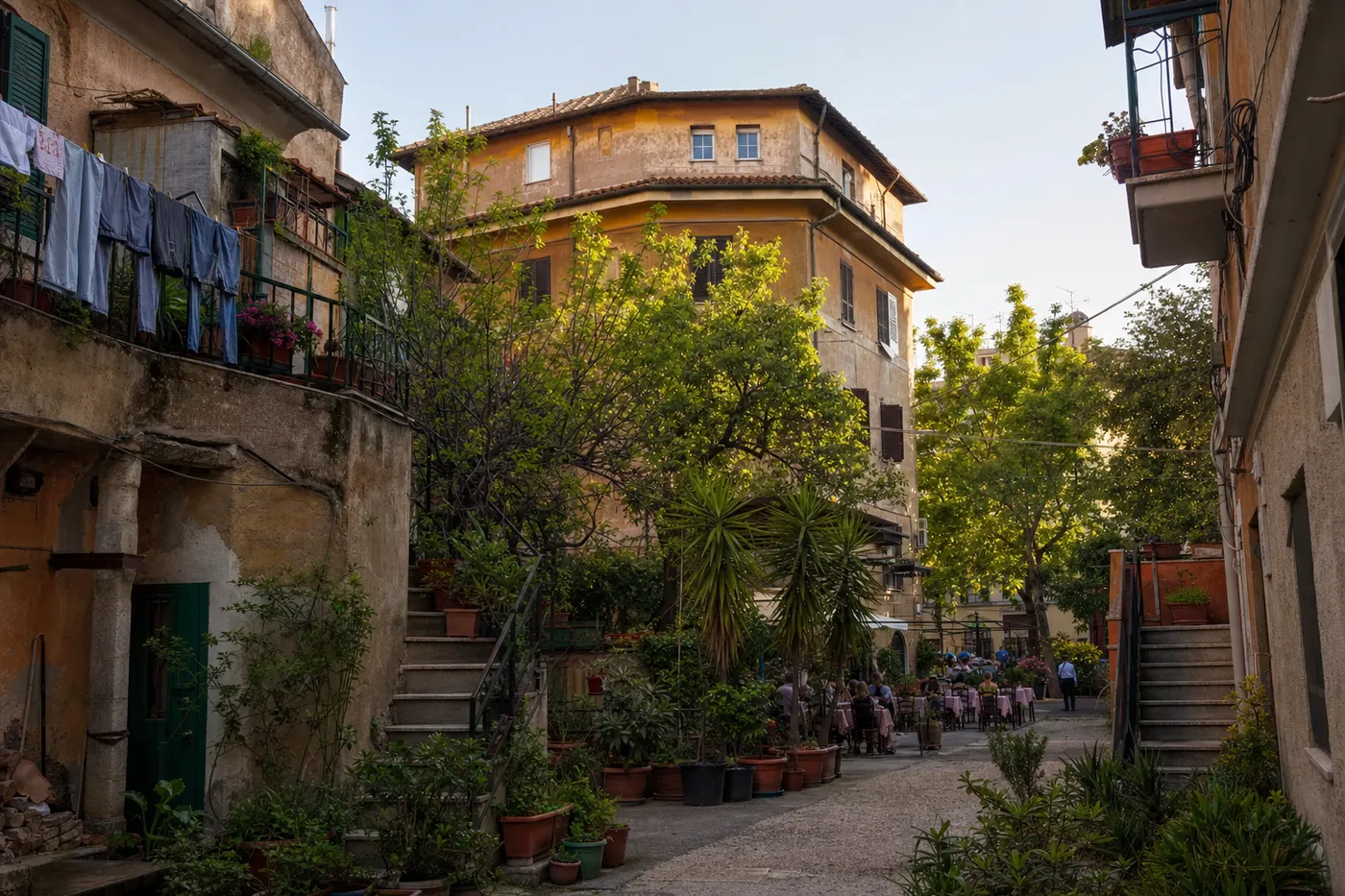
Crossing the Tiber into Trastevere brings you into a bohemian neighborhood characterized by narrow cobblestone alleys, ochre-painted buildings, and climbing ivy. As twilight falls, street lamps cast a warm glow across lively plazas filled with street musicians and diners. The historic center of the neighborhood is Piazza di Santa Maria in Trastevere, dominated by one of Rome's oldest churches. Inside the basilica, stunning twelfth-century golden mosaics by Pietro Cavallini shimmer above the altar. The surrounding streets, such as Via del Moro and Vicolo del Cinque, are packed with traditional trattorias, bakeries, and craft beer bars. Ending your trip here captures the warm, timeless spirit of Roman hospitality.

Evening

Timing

6 pm - 9 pm

Budget

EUR 12

Transit

Board Tram 8 along Viale di Trastevere for direct service across the Tiber toward Largo di Torre Argentina.

Insider tip

Step inside the Basilica of Santa Maria in Trastevere at dusk when golden 12th-century apse mosaics glow under soft interior lighting.

Planning notes

Live check

How to move

  1. 1.Walk east from Piazza di Santa Maria in Trastevere along Via della Lungaretta.
  2. 2.Reach Viale di Trastevere at the marked pedestrian crosswalk.
  3. 3.Board Tram 8 north bound toward Largo di Torre Argentina or Piazza Venezia.

Why it fits

Perfect for food lovers, evening strollers, and travelers wanting to celebrate their final night in authentic style.

Quick food plan

Savor wood-fired Roman pizza, supplì fried rice balls, or handmade tonnarelli pasta at bustling trattorias.

Nearby reset

Sit on the steps of the central octagonal fountain in Piazza di Santa Maria in Trastevere.

Weather fallback

Dine inside cozy vaulted brick cellars of family-run trattorias along Via del Moro.

Cost cue

low

Live check

Verify current access, ticketing, and transit details close to travel.

Official site

Day 5

Imperial Baths, Industrial Masterpieces, and Testaccio Culinary Heritage

Baths of Caracalla and Circus Maximus Grounds

Imperial Baths, Industrial Masterpieces, and Testaccio Culinary Heritage

Baths of Caracalla and Circus Maximus Grounds & Centrale Montemartini Museum and Ostiense Industrial Heritage

3 stops

Traveling southward along the ancient Aventine slopes reveals Rome's massive imperial engineering alongside its turn-of-the-century industrial rebirth. Morning hours open among the soaring brick vaults of Caracalla, followed by an afternoon inside a converted power station where classical marble statuary stands against diesel engines. As dusk settles, Testaccio welcomes travelers into the heart of historic Roman cooking with neighborhood trattorias and quiet piazza life.

Daily pro tip: Purchase the combined ticket or Roma Pass when visiting municipal museums like Centrale Montemartini, and use Metro Line B at Circo Massimo or Garbatella to skip surface traffic between southern stops.
9 am

Morning

Baths of Caracalla and Circus Maximus Grounds

Half day
Moderate
Baths of Caracalla and Circus Maximus Grounds

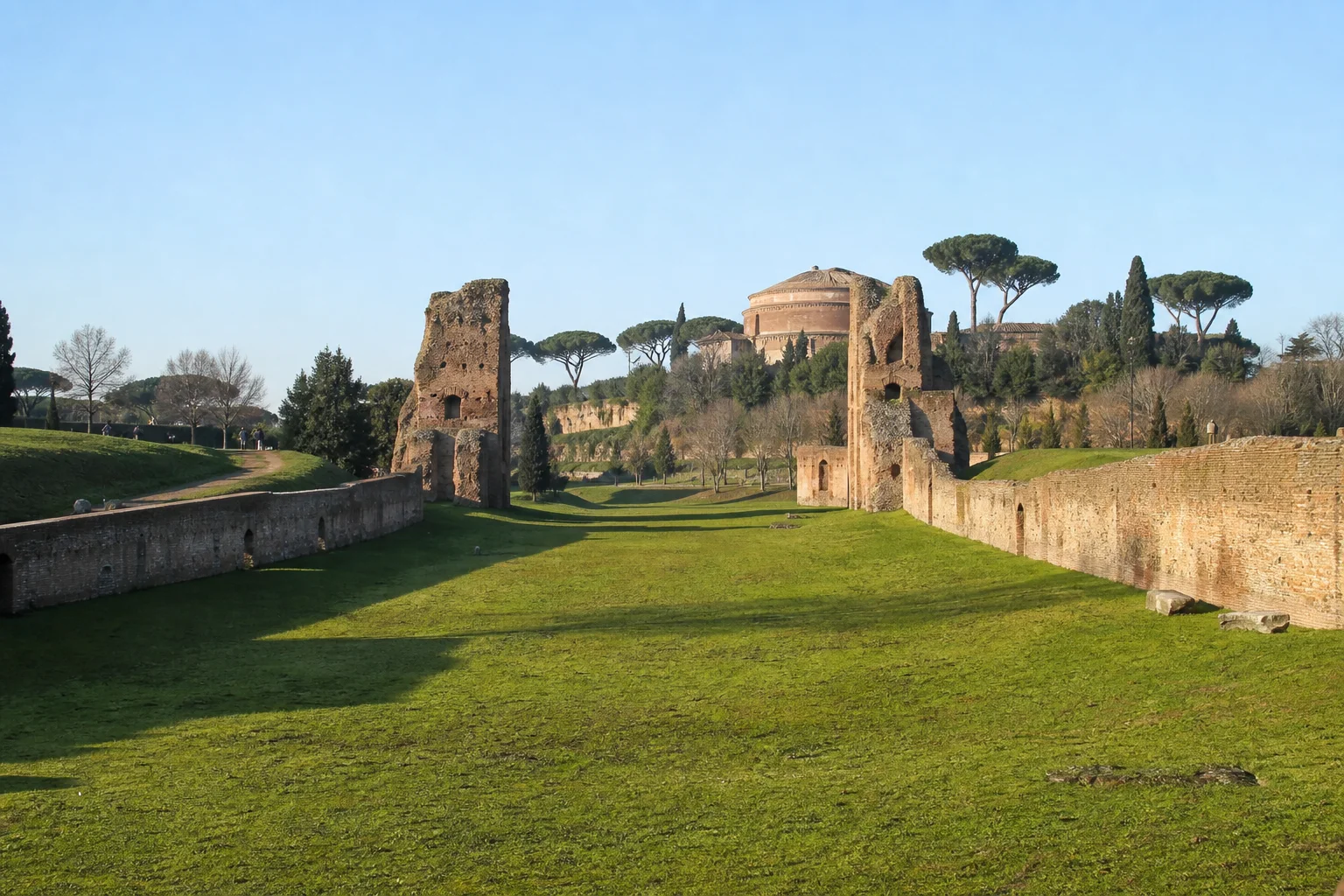
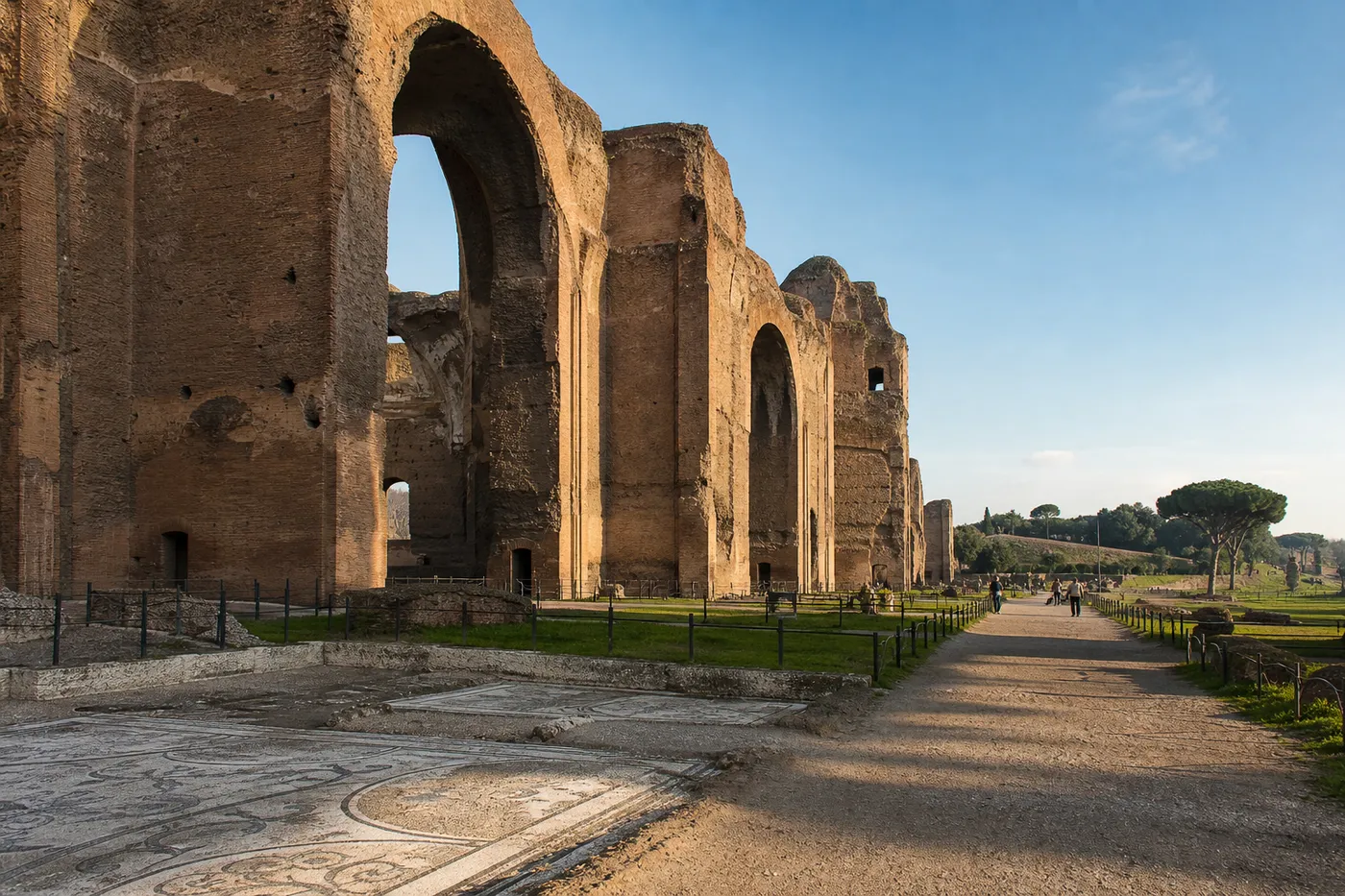
The colossal imperial bath complex built under Emperor Caracalla stands as one of antiquity's most breathtaking architectural feats. Walking beneath brick arches that once rose over one hundred feet high allows visitors to appreciate the sheer scale of ancient Roman public engineering. Sunlight filters through open vaulting onto intact floor mosaics featuring gladiators, marine creatures, and intricate geometric patterns. Nearby, the sweeping green basin of the Circus Maximus stretches out toward the Palatine Hill, offering an incredible perspective on ancient public spectator sports. The surrounding pine trees provide cooling shade and create a serene green corridor right on the edge of the historic center. Spending morning hours here gives travelers space to absorb imperial history at an unhurried pace before urban heat builds.

Morning

Timing

9 am - 12 pm

Budget

EUR 35

Transit

Metro Line B Circo Massimo Station

Insider tip

Rent the audio guide or augmented reality headset at the entrance to visualize the original polychrome marble walls and soaring vaulted ceilings above the bare brick structures.

Planning notes

Live check

How to move

  1. 1.Exit Circo Massimo station on Metro Line B and walk east along Viale delle Terme di Caracalla.
  2. 2.Follow the pedestrian avenue shaded by umbrella pines for six hundred meters toward the central bath enclosure.
  3. 3.Enter through the main ticket gateway on Viale delle Terme di Caracalla opposite the park gardens.

Why it fits

History enthusiasts, architecture photography buffs, and active walkers seeking expansive archaeological sites with open space.

Quick food plan

Small coffee kiosks line Viale delle Terme di Caracalla, while bakeries near Circo Massimo serve fresh cornetti and espresso.

Nearby reset

Shaded benches under maritime pines inside the Baths of Caracalla park perimeter offer quiet rest away from main roads.

Weather fallback

Transition into the subterranean heating chambers and restored underground vaults beneath the bath complex during sudden rain showers or high midday heat.

Cost cue

moderate

Live check

Verify current access, ticketing, and transit details close to travel.
Official site
1 pm

Afternoon

Centrale Montemartini Museum and Ostiense Industrial Heritage

Half day
Moderate
Centrale Montemartini Museum and Ostiense Industrial Heritage

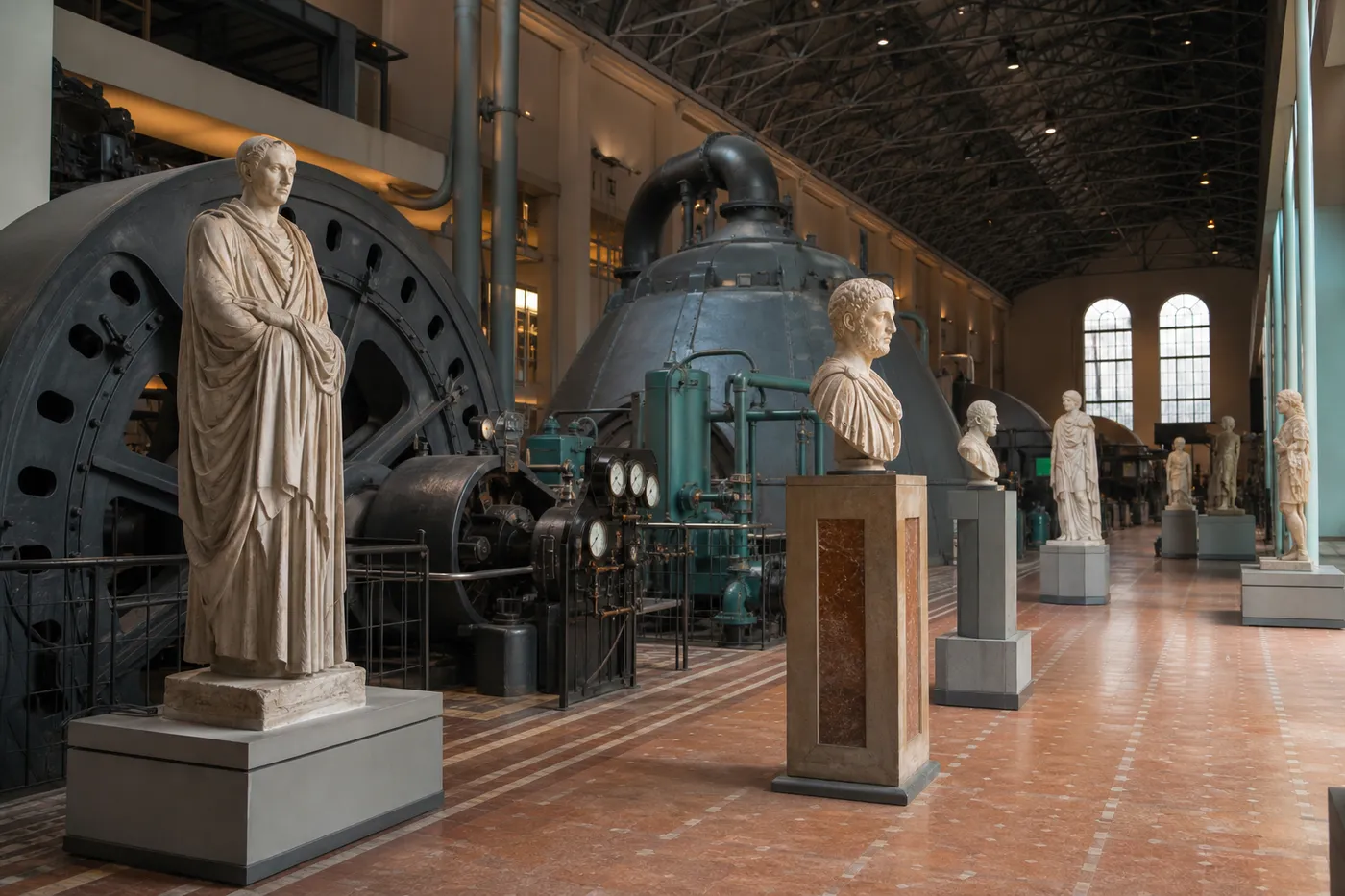
Centrale Montemartini represents one of Europe's most visually intriguing museum concepts, housing classical antiquities inside Rome's first public electricity plant. Pristine white marble statues of Greek and Roman deities, mythical heroes, and Republican busts stand positioned directly in front of massive diesel generators and steam turbines. This dramatic juxtaposition of ancient aesthetics and early industrial engineering creates an unforgettable spatial experience. The vast machine halls benefit from large industrial windows that flood the exhibition galleries with natural light, highlighting fine details in marble drapery and mosaic tiles. Away from the congested tour routes of central Rome, visitors can stroll through spacious rooms in peaceful solitude. The surrounding Ostiense district adds extra context with its historic street art, repurposed warehouses, and authentic neighborhood vibe.

Afternoon

Timing

1 pm - 4 pm

Budget

EUR 35

Transit

Metro Line B Garbatella or Piramide Station

Insider tip

Look closely at the giant diesel engines in the Engine Room to observe how pristine white marble statues of Roman gods are mounted alongside dark cast-iron machinery.

Planning notes

Live check

How to move

  1. 1.Walk south from Circo Massimo along Via Ostiense or take Metro Line B to Garbatella station.
  2. 2.Head west along Via Ostiense past the former gasometers and industrial railway bridges.
  3. 3.Enter the Centrale Montemartini museum gates on the right side of Via Ostiense.

Why it fits

Art historians, industrial architecture admirers, and travelers looking for world-class collections away from crowd pressure.

Quick food plan

Nearby Via Ostiense features modern espresso bars, paninoteche, and casual pizza al taglio shops.

Nearby reset

Air-conditioned ground floor cafe and courtyard garden within the museum offer relaxing seating options.

Weather fallback

The entire collection resides inside climate-controlled industrial halls, making it an ideal retreat during heavy summer rain or extreme heat.

Cost cue

moderate

Live check

Verify current access, ticketing, and transit details close to travel.
Official site
6 pm

Evening

Testaccio Neighborhood Culture and Historic Market District

Half day
Mixed
Testaccio Neighborhood Culture and Historic Market District

Testaccio is celebrated as the undisputed birthplace of traditional Roman working-class cuisine and culinary culture. Formed around Monte Testaccio, an artificial hill composed of millions of discarded ancient terra-cotta olive oil amphorae, this working-class quarter retains a proud community identity. As twilight arrives, the central square of Piazza Santa Maria Liberatrice fills with local families, playing children, and seniors relaxing on wooden benches. Surrounding streets host some of the city's most respected traditional eateries, where recipes centered on offal, pecorino cheese, and handmade pasta have been perfected over generations. Walking along the perimeter of the former Mattatoio slaughterhouse complex reveals how historic red-brick industrial spaces have transitioned into contemporary art spaces and performance venues, adding modern creative energy to timeless culinary traditions.

Evening

Timing

6 pm - 9 pm

Budget

EUR 25

Transit

Metro Line B Piramide Station / Bus Line 83

Insider tip

Visit the base of Monte Testaccio to see how ancient Roman wine jar shards created an artificial hill that now houses historic wine cellars and modern eateries.

Planning notes

How to move

  1. 1.Walk ten minutes west from Via Ostiense across Via Marmorata into the heart of Testaccio.
  2. 2.Cross Piazza Santa Maria Liberatrice toward the historic covered market building.
  3. 3.Stroll down Via di Testaccio toward the ancient amphora hill and neighborhood trattorias.

Why it fits

Culinary travelers, food lovers, neighborhood explorers, and anyone seeking genuine evening Roman street life.

Quick food plan

Trattorias serve traditional Roman classics like tonnarello cacio e pepe, rigatoni con la pajata, and supplì alla romana.

Nearby reset

Benches surrounding the central fountain in Piazza Santa Maria Liberatrice provide great people-watching under leafy trees.

Weather fallback

Covered arcade dining areas, enclosed market halls, and cozy subterranean wine cellars afford reliable shelter during evening rain.

Cost cue

mixed

Official site

Day 6

Ancient Appian Way, Catacomb Vaults, and San Clemente Subterranean Strata

Via Appia Antica and Catacombs of San Callisto

Ancient Appian Way, Catacomb Vaults, and San Clemente Subterranean Strata

Via Appia Antica and Catacombs of San Callisto & Basilica of San Clemente Underground Complex and Lateran Area

3 stops

Venturing along the Queen of Roads introduces travelers to basalt cobblestones, ancient tomb towers, and subterranean early Christian burial chambers beneath countryside pine canopies. The afternoon returns urbanward to explore the extraordinary multi-layered basilica complex of San Clemente, descending through centuries of Roman history. The journey concludes with a serene sunset stroll through the lush hilltop gardens of Villa Celimontana.

Daily pro tip: Wear sturdy walking shoes for the uneven ancient basalt paving stones of the Appian Way, and take Bus 118 or 218 from Metro Line A San Giovanni for efficient transport to the catacomb gates.
9 am

Morning

Via Appia Antica and Catacombs of San Callisto

Half day
Moderate
Via Appia Antica and Catacombs of San Callisto

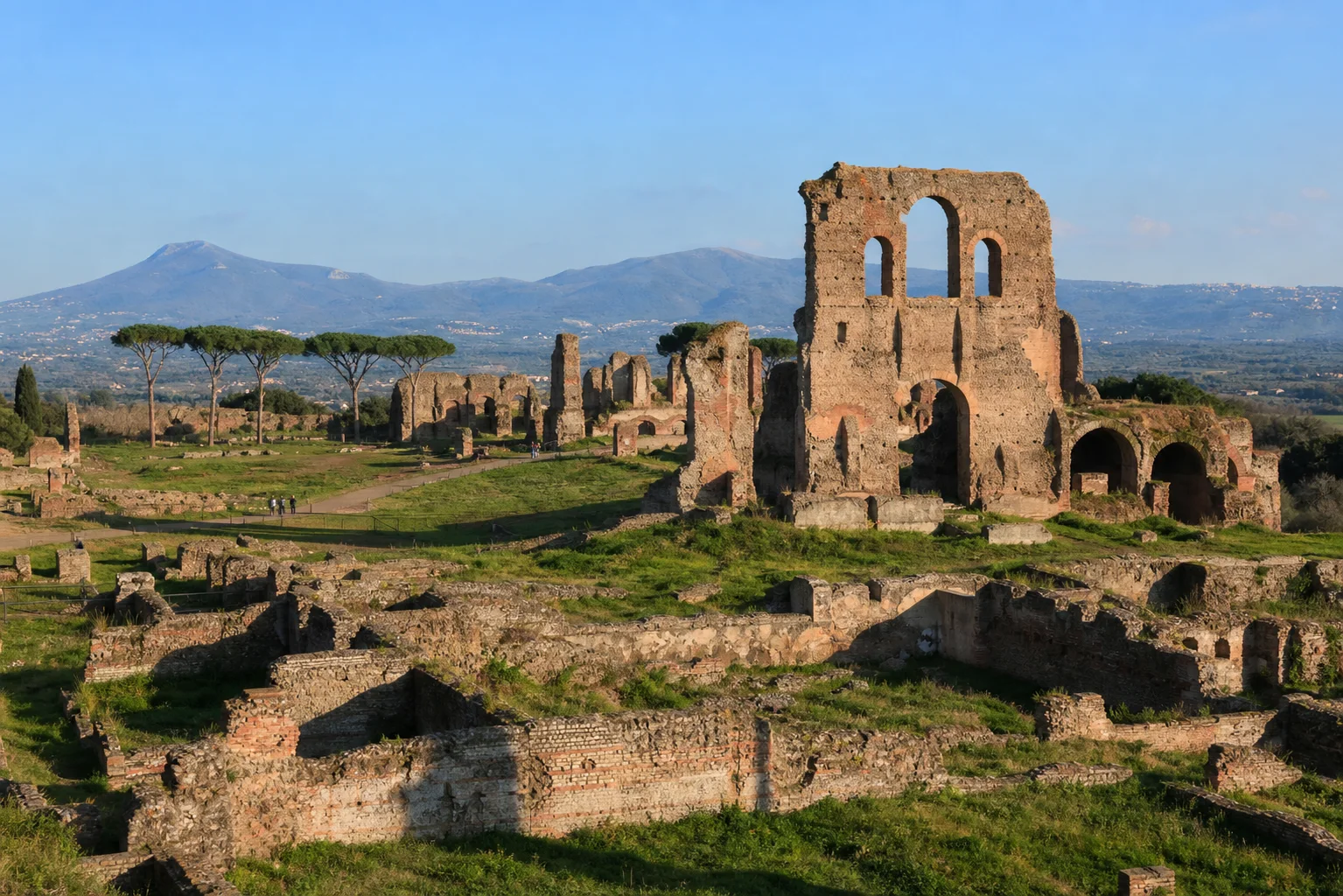
The Via Appia Antica ranks among the most evocative ancient monuments of the Roman Republic, engineered in 312 BC to connect Rome with southern Italy. Walking along original basalt paving stones worn smooth by centuries of chariot wheels offers a profound connection to ancient travelers. Soaring umbrella pines, ancient cypress trees, and ruined family tombs line the grassy shoulders of the roadway. Beneath the surface lie the Catacombs of San Callisto, the official cemetery of the third-century Church of Rome, spanning over twenty kilometers of subterranean galleries. Guided underground tours lead visitors through multi-tiered burial corridors, early Christian symbol carvings, and the Crypt of the Popes. The peaceful rural atmosphere creates a refreshing contrast to the bustling traffic of central Rome.

Morning

Timing

9 am - 12 pm

Budget

EUR 35

Transit

Bus Line 118 from Metro A San Giovanni or Metro B Circo Massimo

Insider tip

Carry a light jacket or sweater even during summer months, as the subterranean burial chambers remain distinctly cool year-round.

Planning notes

Live check

How to move

  1. 1.Take Metro Line A to San Giovanni station and exit toward Piazza San Giovanni in Laterano.
  2. 2.Board Bus Line 118 heading south and ride for fifteen minutes to the Catacombe di San Callisto stop.
  3. 3.Walk through the olive grove entrance path to reach the central ticket office and catacomb entrance.

Why it fits

Outdoor enthusiasts, ancient history enthusiasts, spiritual pilgrims, and walkers seeking scenic countryside landscapes.

Quick food plan

Small rustic trattorias and park kiosks near the catacomb gates serve paninis, espresso, and chilled drinks.

Nearby reset

Shaded grass lawns and wooden picnic benches beneath ancient olive trees surround the catacomb visitor center.

Weather fallback

The underground catacomb galleries maintain a constant cool temperature of around 15°C (59°F), offering perfect shelter from rain or summer heat.

Cost cue

moderate

Live check

Verify current access, ticketing, and transit details close to travel.
Official site
1 pm

Afternoon

Basilica of San Clemente Underground Complex and Lateran Area

Half day
Moderate
Basilica of San Clemente Underground Complex and Lateran Area

The Basilica of San Clemente offers one of Rome's most remarkable time-travel experiences, literalizing the city's layered historical foundation. At ground level, visitors enter a beautiful twelfth-century basilica adorned with shimmering gold mosaics, intricate Cosmati marble floors, and an elegant atrium courtyard. Descending a flight of stairs reveals an earlier fourth-century Christian basilica buried underneath, featuring faded early medieval frescoes depicting the life of Saint Clement. A further descent leads down to first-century Roman structures, including a pagan Mithraic temple with its stone altar and an ancient Roman apartment building. Standing in these deep stone chambers while hearing an underground mountain stream rush through ancient channels brings Rome's complex physical evolution vividly to life in a single location.

Afternoon

Timing

1 pm - 4 pm

Budget

EUR 35

Transit

Metro Line B Colosseo / Metro Line A San Giovanni

Insider tip

Listen carefully as you reach the lowest archaeological level to hear the rushing waters of an ancient underground spring flowing through Roman drainage pipes.

Planning notes

Live check

How to move

  1. 1.Take Bus Line 118 north from Via Appia Antica back toward Piazza San Giovanni in Laterano.
  2. 2.Walk five hundred meters down Via San Giovanni in Laterano toward the Colosseum.
  3. 3.Enter Basilica di San Clemente on Via Labicana near the corner of Piazza San Clemente.

Why it fits

Archaeology buffs, history lovers, religious art scholars, and travelers curious about Rome's physical layers of history.

Quick food plan

Via San Giovanni in Laterano offers casual sandwich bars, gelaterias, and family-run pasta spots.

Nearby reset

Quiet interior atrium courtyard with a central fountain provides peaceful seating before descending into the excavations.

Weather fallback

The deep subterranean levels remain completely sheltered from surface weather conditions, making it an excellent rainy or hot afternoon option.

Cost cue

moderate

Live check

Verify current access, ticketing, and transit details close to travel.
Official site
6 pm

Evening

Celian Hill Gardens and Villa Celimontana Evening Stroll

Half day
Free
Celian Hill Gardens and Villa Celimontana Evening Stroll

Perched atop the tranquil Celian Hill, Villa Celimontana provides an enchanting green sanctuary just steps away from the heavy tourist traffic surrounding the Colosseum. Originally landscaped in the sixteenth century for the noble Mattei family, this public park retains its Renaissance charm with gravel pathways, marble busts, citrus trees, and soaring palms. In the gentle light of early evening, local residents walk dogs, practice music, and relax near historic fountains. The park's elevated position catches cool evening breezes and offers picturesque filtered views across the southern valleys of Rome. Discovering scattered ancient inscriptions and an authentic Egyptian obelisk hidden among lush Mediterranean foliage creates an atmosphere of quiet discovery, making it a perfect spot to wind down after exploring underground sites.

Evening

Timing

6 pm - 9 pm

Budget

EUR 0

Transit

Bus Line 81 / Metro Line B Colosseo

Insider tip

Look for the small Mattei Egyptian obelisk near the central garden path, which features ancient hieroglyphs re-erected during the Renaissance.

Planning notes

How to move

  1. 1.Walk south up the gentle incline of Via Claudia from Basilica di San Clemente.
  2. 2.Turn left onto Via della Navicella opposite the ancient marble boat fountain.
  3. 3.Enter the main gates of Villa Celimontana adjacent to the Palazzetto Mattei.

Why it fits

Couples, nature lovers, photography enthusiasts, and travelers looking for a peaceful evening retreat near central landmarks.

Quick food plan

Neighborhood enoteche near Piazza della Navicella serve wine, cured meat platters, and seasonal Roman crostini.

Nearby reset

Numerous park benches along gravel garden avenues offer calm spots to unwind under palm trees and maritime pines.

Weather fallback

The sixteenth-century Palazzetto Mattei housed within the park features covered porticos for shelter during unexpected evening showers.

Cost cue

free

Official site

Day 7

Renaissance Private Collections, Tiber Bend Heritage, and MAXXI Modern Design

Galleria Doria Pamphilj and Via del Corso Palace Galleries

Renaissance Private Collections, Tiber Bend Heritage, and MAXXI Modern Design

Galleria Doria Pamphilj and Via del Corso Palace Galleries & Ara Pacis Museum and Piazza del Popolo Monumental Plaza

3 stops

The final day highlights Rome's artistic transitions, moving from private Renaissance palace galleries along Via del Corso to the monumental riverside Ara Pacis altar. In the afternoon, the journey heads north along the Tiber bend into the Flaminio district to explore futuristic contemporary architecture at Zaha Hadid's MAXXI Museum. Evening brings a relaxing conclusion along the historic pedestrian bridges and trattorias of the northern riverbank.

Daily pro tip: Purchase tickets online for Galleria Doria Pamphilj to secure audio guide access narrated by members of the historic princely family, and take Tram Line 2 from Piazza del Popolo straight to Flaminio cultural venues.
9 am

Morning

Galleria Doria Pamphilj and Via del Corso Palace Galleries

Half day
High
Galleria Doria Pamphilj and Via del Corso Palace Galleries

Galleria Doria Pamphilj houses one of Rome's most extraordinary private art collections within an opulent seventeenth-century aristocratic palace. Unlike state museums where works are arranged chronologically, paintings here hang in original floor-to-ceiling salon arrangements established by princely decrees centuries ago. Walking through the mirror-lined Hall of Mirrors reveals masterpieces by Caravaggio, Titian, Raphael, and Bernini set against gilded moldings and silk wall coverings. The crown jewel of the collection is Diego Velázquez's world-famous portrait of Pope Innocent X, displayed in its own dedicated cabinet room alongside Bernini's marble bust of the same pontiff. The intimate palace setting grants visitors a rare glimpse into the luxurious lifestyle and artistic patronage of Rome's historic ruling dynasties.

Morning

Timing

9 am - 12 pm

Budget

EUR 60

Transit

Bus Lines 62, 63, 83 to Via del Corso / Metro Line A Barberini

Insider tip

Make full use of the included audio guide, which features personal anecdotes narrated by Prince Jonathan Pamphilj about his family's art collection and history.

Planning notes

Live check

How to move

  1. 1.Walk north from Piazza Venezia along Via del Corso for two hundred meters.
  2. 2.Turn left into the grand arched entrance court of Palazzo Doria Pamphilj at number 305.
  3. 3.Ascend the main marble staircase to reach the ticket office and gallery entrance hall.

Why it fits

Art collectors, painting lovers, interior architecture enthusiasts, and travelers looking for opulent private museum settings.

Quick food plan

Historic cafes along Via del Corso and nearby Via della Scrofa serve artisan espresso, pastries, and light lunch fare.

Nearby reset

The quiet internal courtyard garden surrounded by Renaissance arcades offers peaceful seating out of street traffic.

Weather fallback

The fully indoor, climate-controlled palace galleries provide complete protection from hot morning sun or rain showers.

Cost cue

high

Live check

Verify current access, ticketing, and transit details close to travel.

Official site
1 pm

Afternoon

Ara Pacis Museum and Piazza del Popolo Monumental Plaza

Half day
Moderate
Ara Pacis Museum and Piazza del Popolo Monumental Plaza

The Museo dell'Ara Pacis combines ancient imperial propaganda with bold twenty-first-century architectural design along the banks of the Tiber River. Designed by American architect Richard Meier, the sleek glass-and-travertine structure houses the Altar of Augustan Peace, commissioned by the Roman Senate in 13 BC to celebrate imperial stability. Natural sunlight streams through floor-to-ceiling glass walls, illuminating intricate marble reliefs depicting sacrificial processions, allegory figures, and botanical motifs. A short walk north leads directly into Piazza del Popolo, Rome's grand northern gateway plaza designed by Giuseppe Valadier. Anchored by an ancient Egyptian obelisk and twin Baroque churches, this expansive pedestrian square provides a dramatic transition point between central ancient districts and northern modern culture.

Afternoon

Timing

1 pm - 4 pm

Budget

EUR 35

Transit

Metro Line A Flaminio Station / Bus Line 628

Insider tip

View the Ara Pacis friezes from the upper gallery balcony inside the museum to appreciate the detailed relief carvings of Emperor Augustus and his family.

Planning notes

Live check

How to move

  1. 1.Walk ten minutes north along Via del Corso from Palazzo Doria Pamphilj toward the Tiber embankment.
  2. 2.Cross Via Tomacelli to reach the glass enclosure of the Museo dell'Ara Pacis on Lungotevere in Augusta.
  3. 3.Walk five hundred meters north along Via di Ripetta to finish at the monumental Piazza del Popolo.

Why it fits

Modern architecture enthusiasts, Augustan history buffs, urban photographers, and travelers following the Tiber riverfront.

Quick food plan

Trattorias along Via di Ripetta serve thin-crust Roman pizza, fresh salads, and seasonal pasta dishes.

Nearby reset

Shaded marble steps around the central obelisk fountain in Piazza del Popolo provide expansive outdoor seating.

Weather fallback

The glass-enclosed museum hall offers air-conditioned shelter, while the covered porticos surrounding Piazza del Popolo protect against rain.

Cost cue

moderate

Live check

Verify current access, ticketing, and transit details close to travel.
Official site
6 pm

Evening

MAXXI Museum of 21st Century Arts and Flaminio District Walk

Half day
Moderate
MAXXI Museum of 21st Century Arts and Flaminio District Walk

Designed by famed architect Zaha Hadid, the MAXXI (National Museum of 21st Century Arts) showcases Rome's vibrant contemporary side within a former military barracks site in Flaminio. The building itself is a masterpiece of modern design, characterized by winding concrete walls, suspended black staircases, and floating glass corridors that create a sense of continuous motion. Exhibition galleries showcase rotating collections of contemporary visual art, architectural models, photographic series, and interactive media installations. Outside, the broad pedestrian courtyard serves as a gathering space where design enthusiasts, students, and locals mingle in the evening air. Visiting MAXXI offers a refreshing counterpoint to Rome's ancient ruins, demonstrating how the Eternal City continues to evolve into a dynamic capital of global contemporary culture.

Evening

Timing

6 pm - 9 pm

Budget

EUR 35

Transit

Tram Line 2 from Piazzale Flaminio (Apollodoro Stop)

Insider tip

Walk through the outdoor plaza after dusk to capture striking photographs of Zaha Hadid's illuminated concrete overhangs and dramatic black steel staircases.

Planning notes

Live check

How to move

  1. 1.Board Tram Line 2 at Piazzale Flaminio terminal just outside the historic city gate.
  2. 2.Ride four stops along Via Flaminia and disembark at the Apollodoro tram stop.
  3. 3.Walk two hundred meters along Via Guido Reni to the main entrance square of the MAXXI Museum.

Why it fits

Modern art fans, contemporary design lovers, architecture enthusiasts, and travelers looking for innovative 21st-century Rome.

Quick food plan

The onsite MAXXI cafe-restaurant and nearby Flaminio trattorias serve contemporary Italian dishes, natural wines, and craft beer.

Nearby reset

The spacious outdoor pedestrian plaza in front of MAXXI features concrete benches and lawn seating under architectural overhangs.

Weather fallback

Overlapping indoor gallery corridors, media libraries, and auditorium spaces offer expansive shelter during evening rainstorms.

Cost cue

moderate

Live check

Verify current access, ticketing, and transit details close to travel.
Official site

Day 8

Subterranean Palaces, Quirinal Masterpieces, and Trevi Hillside Vistas

Domus Aurea Excavations and Golden House Vaults

Subterranean Palaces, Quirinal Masterpieces, and Trevi Hillside Vistas

Domus Aurea Excavations and Golden House Vaults & Palazzo Barberini National Gallery of Ancient Art

3 stops

Step beneath Oppian Hill to discover Nero's gold-leaf subterranean pavilions before ascending toward the elegant crest of the Quirinal. Art lovers examine Baroque ceiling frescoes at Palazzo Barberini before concluding with sunset panoramas over central domes. The route balances dark underground archaeology with light-filled palatial galleries across readable hill climbs.

Daily pro tip: Wear sturdy walking shoes with soft rubber soles for the uneven brick gradients inside subterranean excavations, and keep a light jacket accessible as underground chambers remain cool year-round.
9 am

Morning

Domus Aurea Excavations and Golden House Vaults

Half day
Moderate
Domus Aurea Excavations and Golden House Vaults

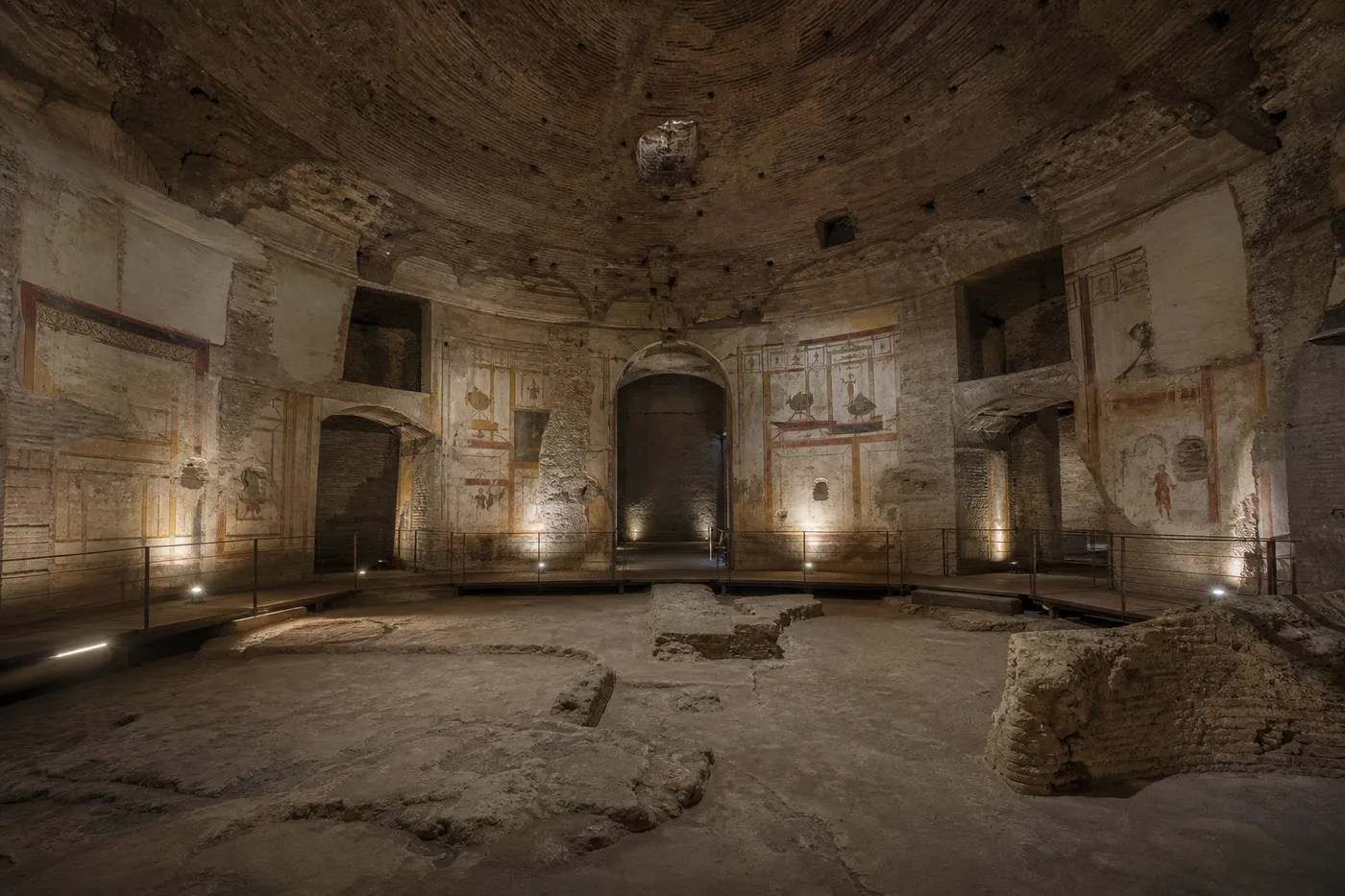
Descending below the greenery of Oppian Hill reveals the colossal brick vaults and vaulted galleries of Emperor Nero's vast imperial residence. Built following the Great Fire of Rome, this complex once stretched across vast swathes of the ancient city center, featuring elaborate stucco work, gilded ceilings, and innovative octagonal dining halls. Renaissance masters like Raphael lowered themselves into these forgotten underground corridors to study the grotesque wall paintings that inspired western decorative traditions. Walking through the dimly illuminated chambers offers a profound appreciation for Roman engineering mastery, where immense brickwork supports centuries of overhead gardens while preserving delicate pigments painted two millennia ago upon smooth plaster walls.

Morning

Timing

9 am - 12 pm

Budget

EUR 35

Transit

Metro Line B (Colosseo station) followed by a short walk through Parco del Colle Oppio.

Insider tip

Reservations must be booked online through the official site well in advance as safety protocols restrict daily entry numbers inside subterranean sectors.

Planning notes

Live check

How to move

  1. 1.Exit Metro Line B at Colosseo station onto Via dei Fori Imperiali.
  2. 2.Walk northeast up the pedestrian pathways of Parco del Colle Oppio for three hundred meters.
  3. 3.Follow directional signposts toward the dedicated visitor entrance on Via Domus Aurea.

Why it fits

Ideal for history enthusiasts, Roman architecture admirers, and travelers seeking subterranean archaeological experiences away from open sun exposure.

Quick food plan

Casual espresso bars and seasonal tramezzini spots cluster around Piazza San Pietro in Vincoli and the upper slopes of Via Cavour.

Nearby reset

Shaded park benches inside Parco del Colle Oppio provide peaceful green surroundings and partial views of the nearby Colosseum outer walls.

Weather fallback

This entirely sheltered subterranean site provides complete protection from summer heatwaves and heavy downpours.

Cost cue

moderate

Live check

Verify current access, ticketing, and transit details close to travel.
Official site
1 pm

Afternoon

Palazzo Barberini National Gallery of Ancient Art

Half day
Moderate
Palazzo Barberini National Gallery of Ancient Art

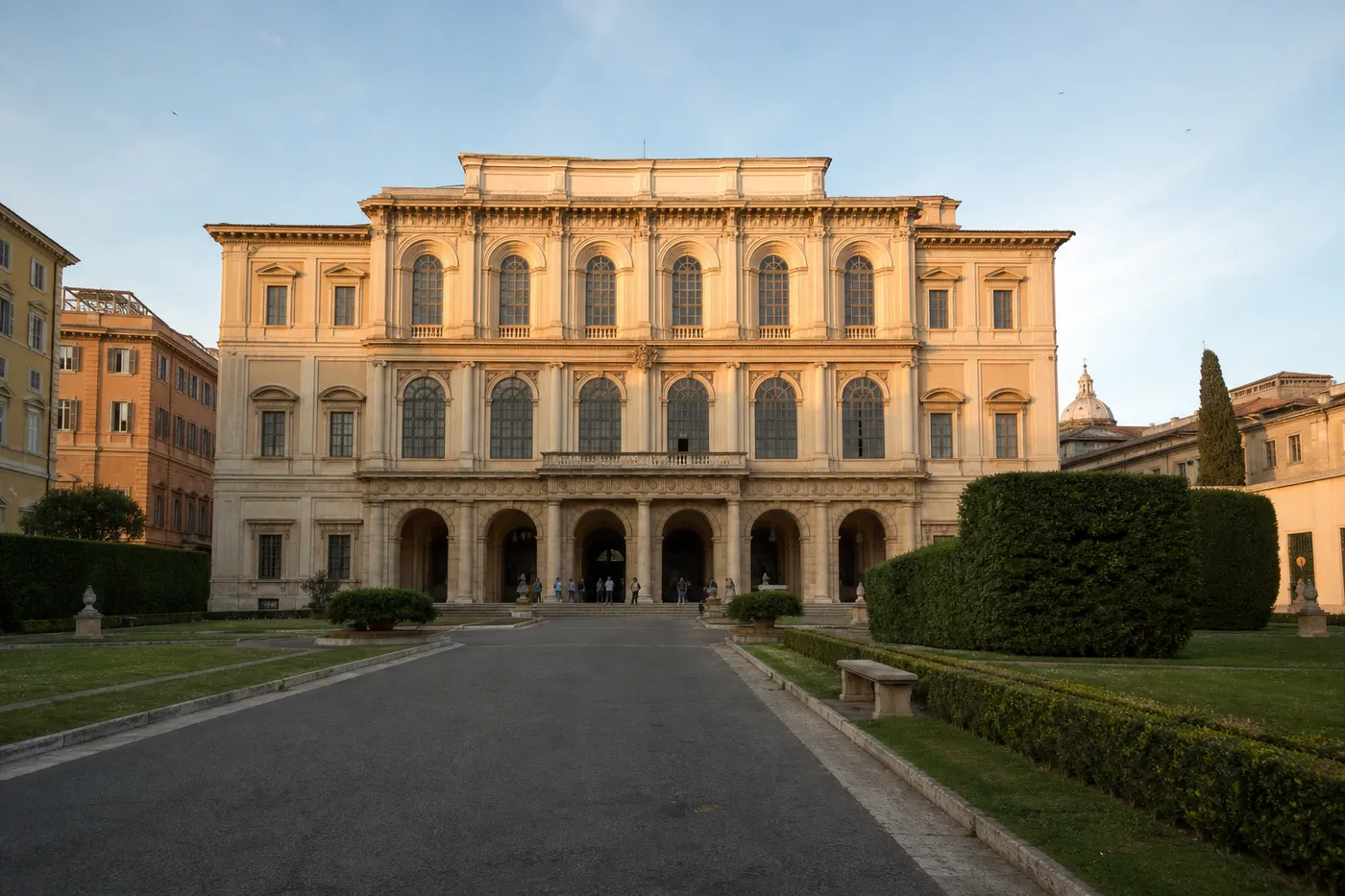
Palazzo Barberini represents the pinnacle of seventeenth-century papal architecture, shaped by the creative rivalry between Gian Lorenzo Bernini and Francesco Borromini. Approaching the grand facade from Via delle Quattro Fontane reveals expansive ramps and dual decorative staircases that lead into opulent gallery rooms. Inside, visitors encounter world-renowned masterpieces of Western painting, including Caravaggio's dramatic portrayal of Judith Beheading Holofernes and Raphael's intimate portrait La Fornarina. The centerpiece of the noble floor is the monumental grand salon, where Pietro da Cortona's breathtaking ceiling fresco depicts the Triumph of Divine Providence in a dizzying illusion of soaring sky and floating figures that defines High Baroque artistic ambition.

Afternoon

Timing

1 pm - 4 pm

Budget

EUR 35

Transit

Metro Line A (Barberini station) followed by a brief walk along Via delle Quattro Fontane.

Insider tip

Compare Borromini's oval spiral staircase with Bernini's square staircase located at opposite ends of the main palace structure.

Planning notes

Live check

How to move

  1. 1.Depart Metro Line A at Barberini station and follow signage toward Via delle Quattro Fontane.
  2. 2.Ascend the gentle street slope past the historic four-corner fountains.
  3. 3.Turn left into the grand arched courtyard entrance of Palazzo Barberini.

Why it fits

Designed for art lovers, Baroque architectural scholars, and visitors who appreciate spacious gallery layouts with high artistic density.

Quick food plan

Artisan bakeries and coffee counters line Via Barberini and Via Sistina, providing quick savory pizza cuts and espresso breaks.

Nearby reset

The secluded terraced gardens behind Palazzo Barberini offer tranquil stone benches shaded by citrus trees and towering cypress foliage.

Weather fallback

Fully climate-controlled indoor galleries offer an optimal indoor cultural sanctuary during wet afternoons or intense summer heat.

Cost cue

moderate

Live check

Verify current access, ticketing, and transit details close to travel.
Official site
6 pm

Evening

Quirinal Hill Plaza and Presidential Palace Gardens Overlook

Half day
Free
Quirinal Hill Plaza and Presidential Palace Gardens Overlook

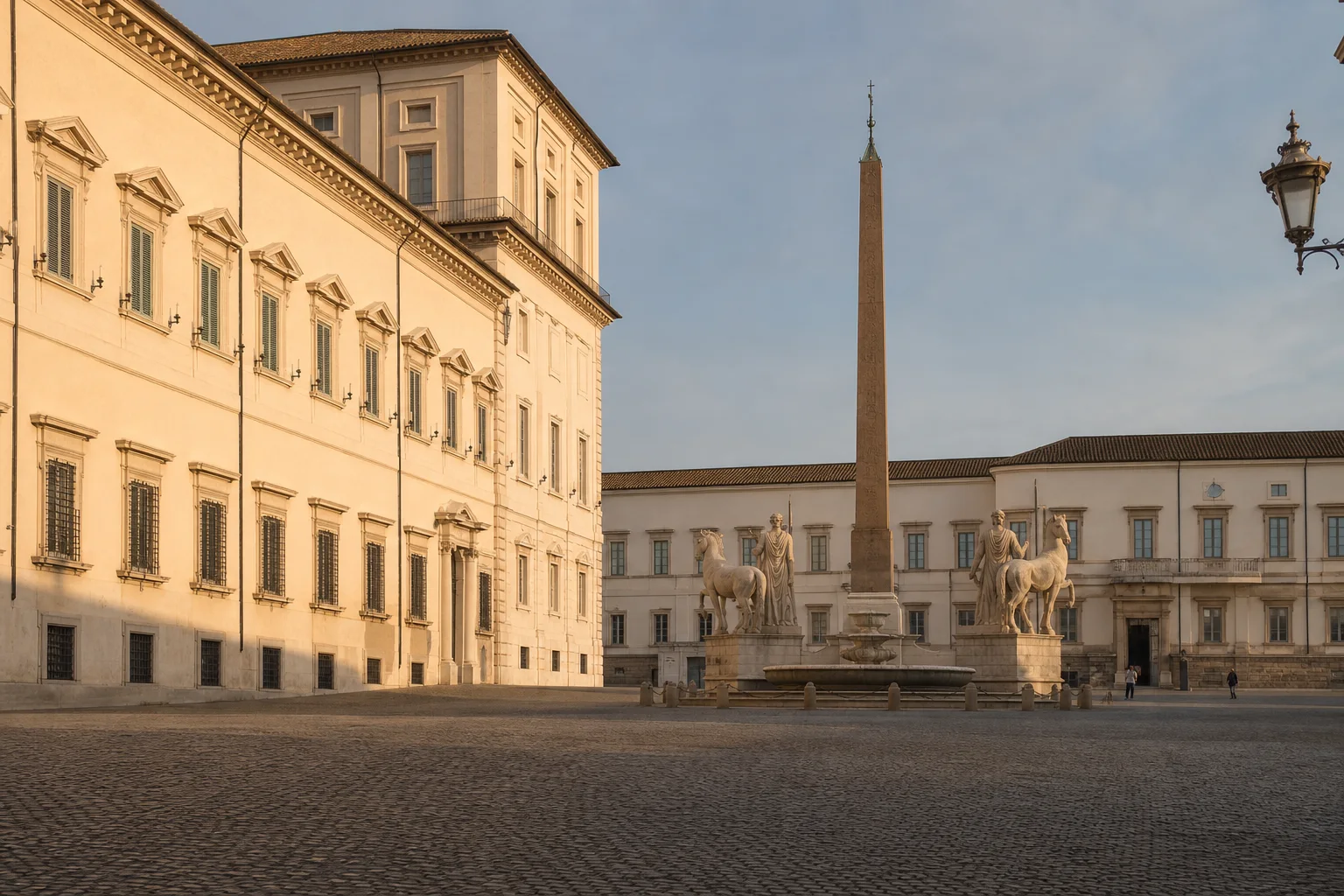
Piazza del Quirinale sits atop the highest of Rome's famous seven hills, offering an open urban terrace framed by majestic civic architecture. The expansive plaza is centered around a monumental obelisk and ancient statues of the Dioscuri taming wild horses, originally unearthed near the Baths of Constantine. Standing along the stone balustrade at dusk provides panoramic viewlines across the dense roofscape of the historic center toward the distant dome of Saint Peter's Basilica. The stately facade of the Palazzo del Quirinale, official residence of the President of the Italian Republic, anchors the square, reflecting centuries of royal and papal administrative heritage illuminated softly as city street lanterns ignite.

Evening

Timing

6 pm - 9 pm

Budget

EUR 0

Transit

Bus lines 40, 60, 64, or 170 along Via Nazionale followed by a walk up Via Piacenza or Via del Quirinale.

Insider tip

Time your arrival roughly thirty minutes before sunset to capture the changing golden light across the distant domes of the historic center.

Planning notes

How to move

  1. 1.Alight from bus services along Via Nazionale at the Palazzo delle Esposizioni stop.
  2. 2.Walk up the pedestrian staircase connection on Via Piacenza toward Via XXIV Maggio.
  3. 3.Turn right and follow the paved roadway directly into Piazza del Quirinale.

Why it fits

Perfect for photographers, evening strollers, and travelers seeking scenic sunset vistas over central Rome's architectural silhouette.

Quick food plan

Traditional wine bars and enoteche along Via della Dataria serve regional cured meats, cheeses, and small pasta plates.

Nearby reset

Public stone seating surrounding the central Dioscuri fountain provides open-air resting space cooled by mountain-water sprays.

Weather fallback

If rainfall begins, nearby covered arcades and museum cafes on Via Nazionale offer immediate dry shelter.

Cost cue

free

Official site

Day 9

Renaissance Frescoes, Janiculum Panoramas, and Trastevere Slope Gardens

Villa Farnesina Renaissance Frescoes and Loggia of Galatea

Renaissance Frescoes, Janiculum Panoramas, and Trastevere Slope Gardens

Villa Farnesina Renaissance Frescoes and Loggia of Galatea & Janiculum Hill Terrace and Acqua Paola Fountain

3 stops

Immerse in private Renaissance garden villa luxury along the Tiber before climbing shaded hillside paths to Rome's finest overlook. Explore lush botanical terraces filled with rare flora before descending into historic neighborhood alleyways. The progression delivers high artistic refine alongside wide open-air hill scenery.

Daily pro tip: Purchase entry passes for Villa Farnesina and the Botanical Garden online to streamline entry, and bring water for the uphill walking section along the Janiculum slopes.
9 am

Morning

Villa Farnesina Renaissance Frescoes and Loggia of Galatea

Half day
Moderate
Villa Farnesina Renaissance Frescoes and Loggia of Galatea

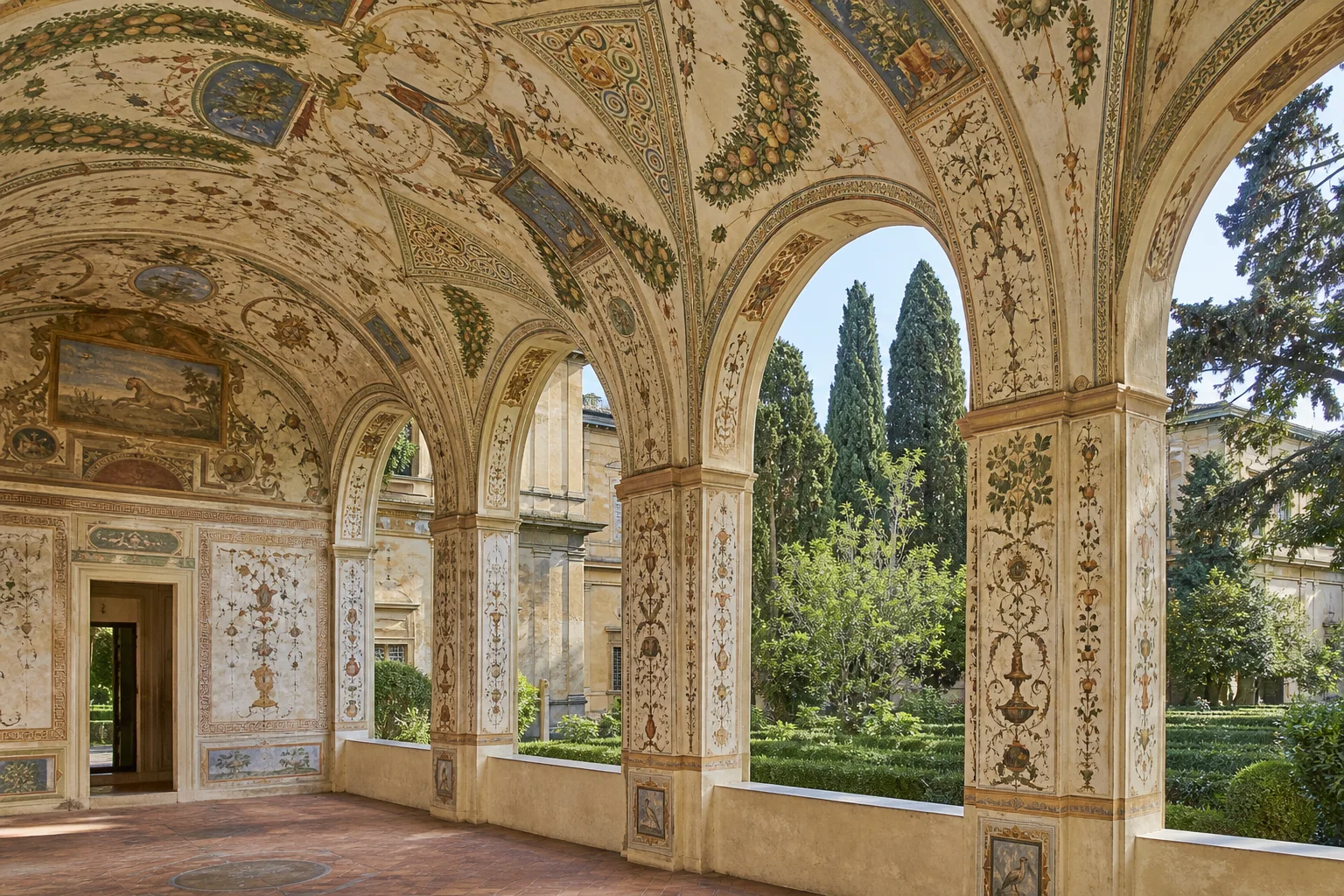
Nestled along the quiet banks of the Tiber River, Villa Farnesina stands as one of the most harmonious examples of Renaissance suburban architecture. Commissioned by the wealthy Sienese banker Agostino Chigi and designed by Baldassarre Peruzzi, the villa was created as a refined summer retreat devoted to classical arts and aristocratic entertainment. Inside, Raphael and his workshop painted radiant fresco cycles that bring ancient mythological tales to life with vivid color and graceful perspective. The Loggia of Cupid and Psyche transports viewers under painted floral garlands dripping with exotic botanical details, while the adjacent Loggia of Galatea displays Raphael's triumphant depiction of the sea nymph gliding across turbulent waves on a dolphin-drawn shell chariot.

Morning

Timing

9 am - 12 pm

Budget

EUR 35

Transit

Bus lines 23 or 280 along Lungotevere Farnesina, or a ten-minute walk across Ponte Sisto from Campo de' Fiori.

Insider tip

Look closely at the ceiling garlands in the Loggia of Cupid and Psyche to spot early European painted depictions of New World botanicals.

Planning notes

Live check

How to move

  1. 1.Cross the Tiber River on foot via the historic pedestrian arches of Ponte Sisto.
  2. 2.Turn right onto Via della Scala and head northwest toward Via della Lungara.
  3. 3.Proceed two hundred meters along Via della Lungara to the iron gateway of Villa Farnesina.

Why it fits

Essential for art historians, Renaissance painting enthusiasts, and visitors looking for peaceful world-class museum settings.

Quick food plan

Historic Trastevere bakeries near Piazza della Scala serve freshly baked pizza bianca, maritozzi pastries, and espresso.

Nearby reset

The gravel pathways of the villa's private citrus garden provide quiet marble benches under orange trees.

Weather fallback

Indoor villa rooms offer complete climate protection while large garden-facing windows maintain abundant natural daylighting.

Cost cue

moderate

Live check

Verify current access, ticketing, and transit details close to travel.
Official site
1 pm

Afternoon

Janiculum Hill Terrace and Acqua Paola Fountain

Half day
Free
Janiculum Hill Terrace and Acqua Paola Fountain

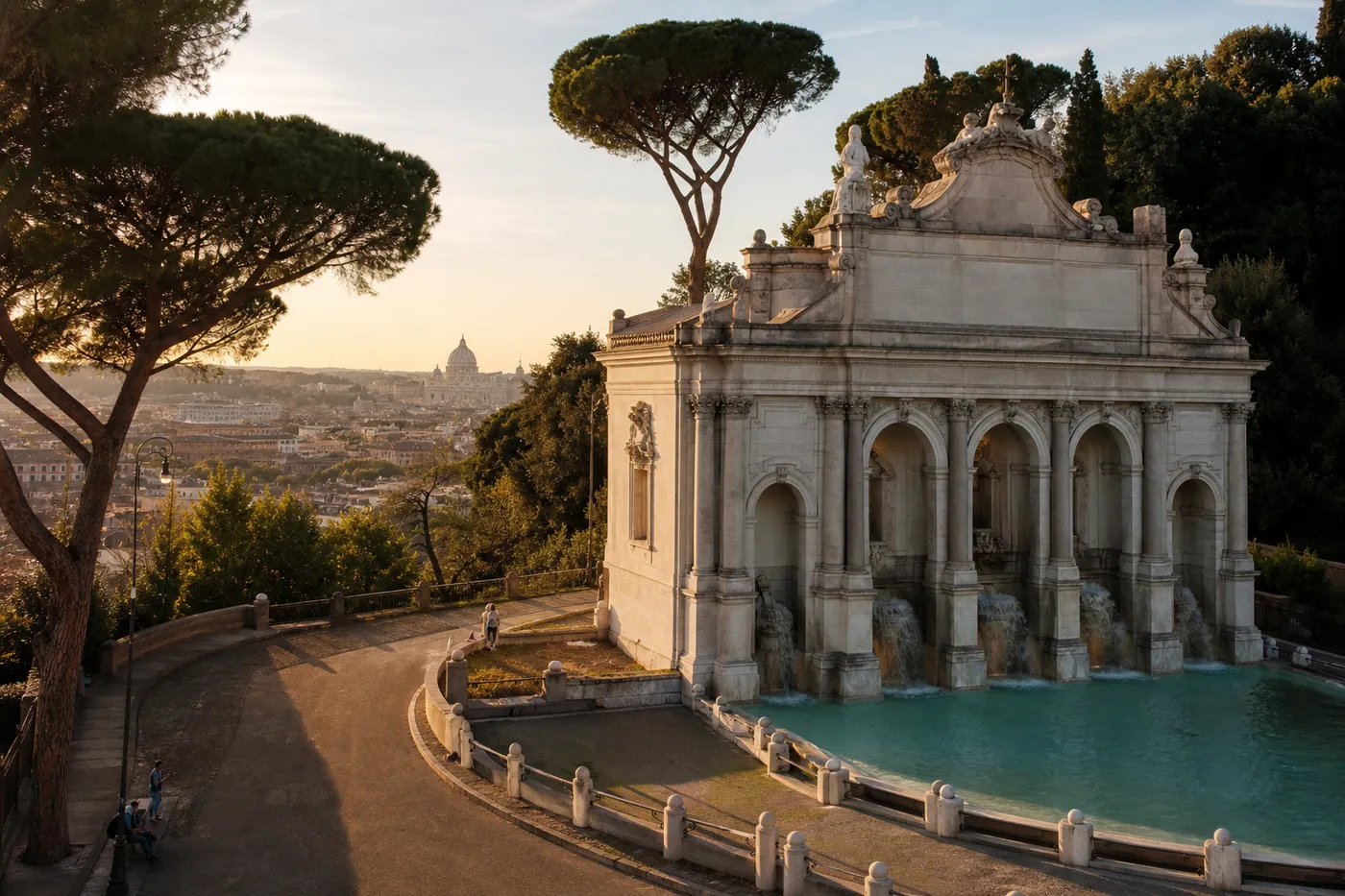
Rising high above the west bank of the Tiber River, the Janiculum Hill offers Rome's most thrilling and expansive urban panorama. The summit center at Piazzale Garibaldi features an imposing equestrian monument honoring Giuseppe Garibaldi, surrounded by stone balustrades that overlook a sea of bell towers, ancient monuments, and distant Apennine peaks. Just steps down the slope stands the monumental Fontana dell'Acqua Paola, a dramatic seventeenth-century Baroque water display constructed from white marble salvaged from ancient Roman temples. Known locally as Il Fontanone, its roaring cascades of mountain water discharge into a giant semicircular basin, filling the hillside air with refreshing cool mist during warm afternoons.

Afternoon

Timing

1 pm - 4 pm

Budget

EUR 0

Transit

Bus line 115 or 870 from Trastevere, or a scenic uphill walk along Passeggiata del Gianicolo.

Insider tip

Gather near the lower terrace railing just before midday to experience the thunderous roar of the daily noon cannon firing ceremony.

Planning notes

How to move

  1. 1.Board bus line 115 at Piazza della Rovere or climb the paved footpath of Via Garibaldi.
  2. 2.Follow the winding shaded promenade past the San Pietro in Montorio church complex.
  3. 3.Arrive at the open summit terrace of Piazzale Garibaldi facing the monumental fountain.

Why it fits

Great for sightseers, photography enthusiasts, families, and travelers seeking rewarding walking routes with high scenic impact.

Quick food plan

Casual hilltop kiosks sell chilled mineral water, blood orange granita, paninis, and espresso drinks.

Nearby reset

Shaded park benches under the tall pine canopy of Piazzale Garibaldi offer cool breezes and vast city views.

Weather fallback

If weather becomes rainy, nearby cafes down Via Garibaldi provide dry seating and warm drinks.

Cost cue

free

Official site
6 pm

Evening

Orto Botanico di Roma Gardens and Trastevere Foothills

Half day
Low
Orto Botanico di Roma Gardens and Trastevere Foothills

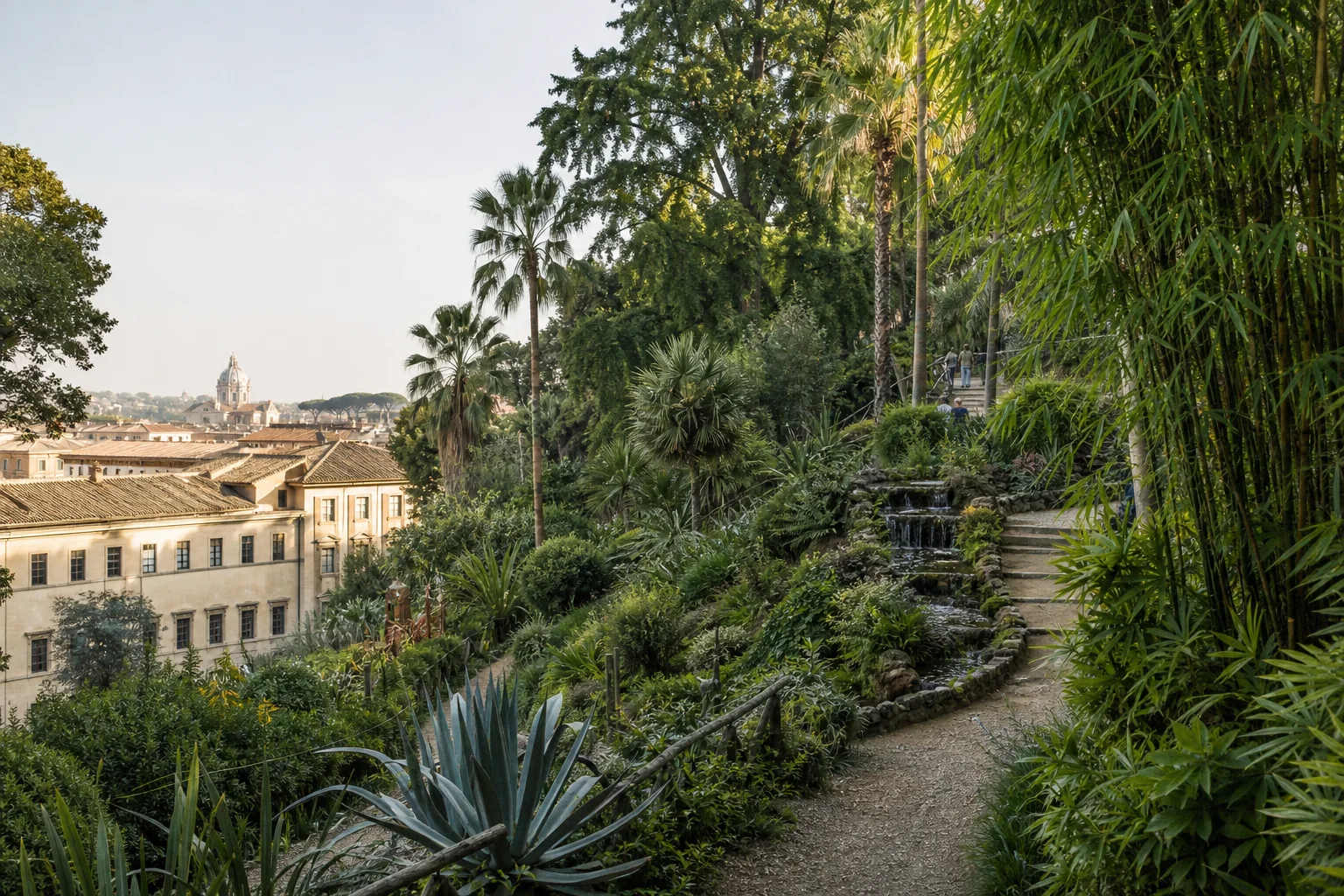
Tucked away at the base of the Janiculum Hill on the former grounds of Palazzo Corsini, the Botanical Garden of Rome offers a lush green sanctuary. Spanning twelve hectares of terraced hillsides, the garden houses thousands of plant species arranged in specialized micro-environments. Paths meander beneath ancient plane trees, past sprawling palm groves, and through dense bamboo forests that filter soft evening sunlight. Higher up the slope, a tranquil Japanese garden features wooden pavilions, stone lanterns, and flowing streamlets that frame elevated views over Trastevere's terracotta roof tiles. The gentle murmuring of historic fountains creates an atmosphere of profound serenity just moments from busy neighborhood streets.

Evening

Timing

6 pm - 9 pm

Budget

EUR 12

Transit

Bus line 23 or 280 to Lungotevere dei Tebaldi, then walk five minutes via Via della Lungara.

Insider tip

Ascend to the highest garden terrace near the Japanese pavilion during late afternoon for golden light filtering through palm fronds.

Planning notes

Live check

How to move

  1. 1.Walk south along Via della Lungara from Villa Farnesina for two hundred meters.
  2. 2.Turn right onto Largo Cristina di Svezia toward the Janiculum hillside.
  3. 3.Enter through the wrought-iron visitor gates of the Orto Botanico di Roma.

Why it fits

Ideal for nature lovers, botany enthusiasts, couples, and travelers seeking quiet outdoor relaxation away from city crowds.

Quick food plan

Neighborhood osterie along Via del Moro serve classic Roman pastas like cacio e pepe, amatriciana, and fried artichokes.

Nearby reset

Wooden benches inside the Japanese garden sector provide tranquil seating facing bamboo thickets and quiet water basins.

Weather fallback

Historic greenhouse conservatories on-site offer sheltered walking routes among indoor exotic plant displays during rain showers.

Cost cue

low

Live check

Verify current access, ticketing, and transit details close to travel.

Official site

Day 10

Villa Torlonia Fantasy Architecture, Coppedè Masterpieces, and Nomentano Parks

Villa Torlonia Museums and Casina delle Civette

Villa Torlonia Fantasy Architecture, Coppedè Masterpieces, and Nomentano Parks

Villa Torlonia Museums and Casina delle Civette & Coppedè Art Nouveau District and Fontana delle Rane Walk

3 stops

Discover whimsical garden architecture and Art Nouveau fantasy design across Rome's aristocratic northern neighborhoods. Wander through stained-glass fairy-tale pavilions before exploring eccentric dragon-adorned palazzi centered around fairy fountains. The route presents a refreshing architectural contrast to Rome's classical marble monuments.

Daily pro tip: Purchase a combined museum ticket at Villa Torlonia to access both the Casino Nobile and Casina delle Civette, and carry a camera for Coppedè's intricate facade details.
9 am

Morning

Villa Torlonia Museums and Casina delle Civette

Half day
Moderate
Villa Torlonia Museums and Casina delle Civette

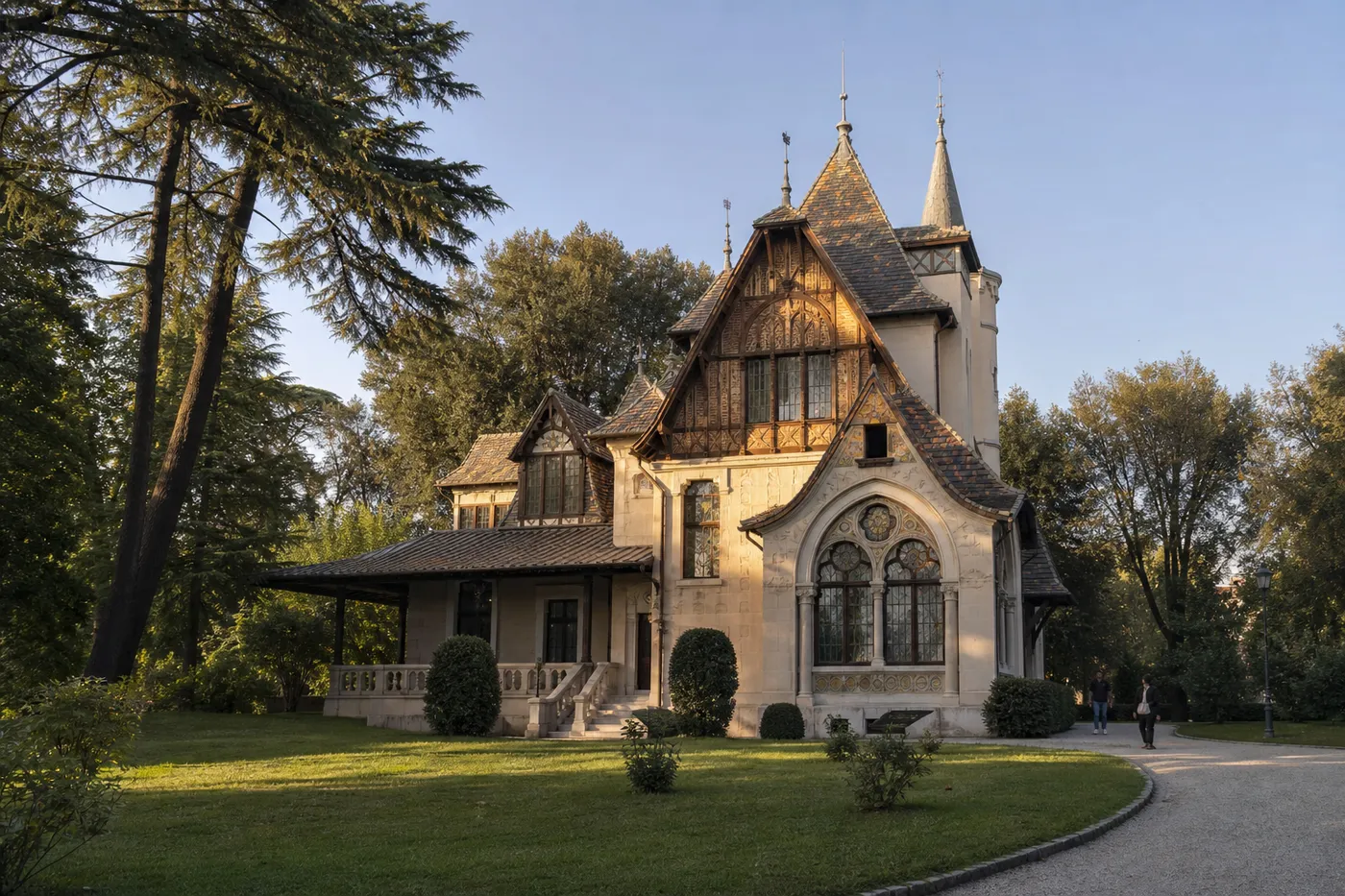
Villa Torlonia offers a fascinating glimpse into nineteenth-century aristocratic extravagance, set within a lush public park in the Nomentano district. Originally transformed by the wealthy Torlonia banking family, the estate features romantic gardens, faux ruin grottos, and grand neoclassical structures. The standout highlight is the Casina delle Civette, or House of the Owls, an eccentric fairytale lodge featuring asymmetrical towers, colorful roof tiles, and extraordinary stained-glass windows. Depicting owls, swans, fairies, and botanical motifs, these vibrant glass panels represent a high point of Italian Liberty style decorative art. Strolling the park's shaded winding paths reveals unexpected architectural treasures hidden among ancient cedar and palm trees.

Morning

Timing

9 am - 12 pm

Budget

EUR 35

Transit

Bus lines 60, 62, or 90 along Via Nomentana, or Tram lines 3 and 19 along Viale Regina Margherita.

Insider tip

Examine the intricate stained-glass owl panel in the main lounge to appreciate the extraordinary depth of color layering.

Planning notes

Live check

How to move

  1. 1.Take Tram 3 or 19 to the Nomentana/Regina Margherita tram stop.
  2. 2.Walk northeast along Via Nomentana for two hundred meters to the main villa gates.
  3. 3.Follow internal park signposts through shaded lawns directly to the Casina delle Civette.

Why it fits

Perfect for fans of decorative arts, Liberty style architecture, fairytale design, and quiet parkland walks.

Quick food plan

Charming neighborhood trattorias along Via Nomentana serve traditional Roman pasta dishes and fresh seasonal salads.

Nearby reset

Benches under giant Mediterranean stone pines near the park's central pond provide cool and quiet outdoor seating.

Weather fallback

Indoor rooms of the Casino Nobile and Casina delle Civette provide dry, climate-controlled environments during rainy spells.

Cost cue

moderate

Live check

Verify current access, ticketing, and transit details close to travel.
Official site
1 pm

Afternoon

Coppedè Art Nouveau District and Fontana delle Rane Walk

Half day
Free
Coppedè Art Nouveau District and Fontana delle Rane Walk

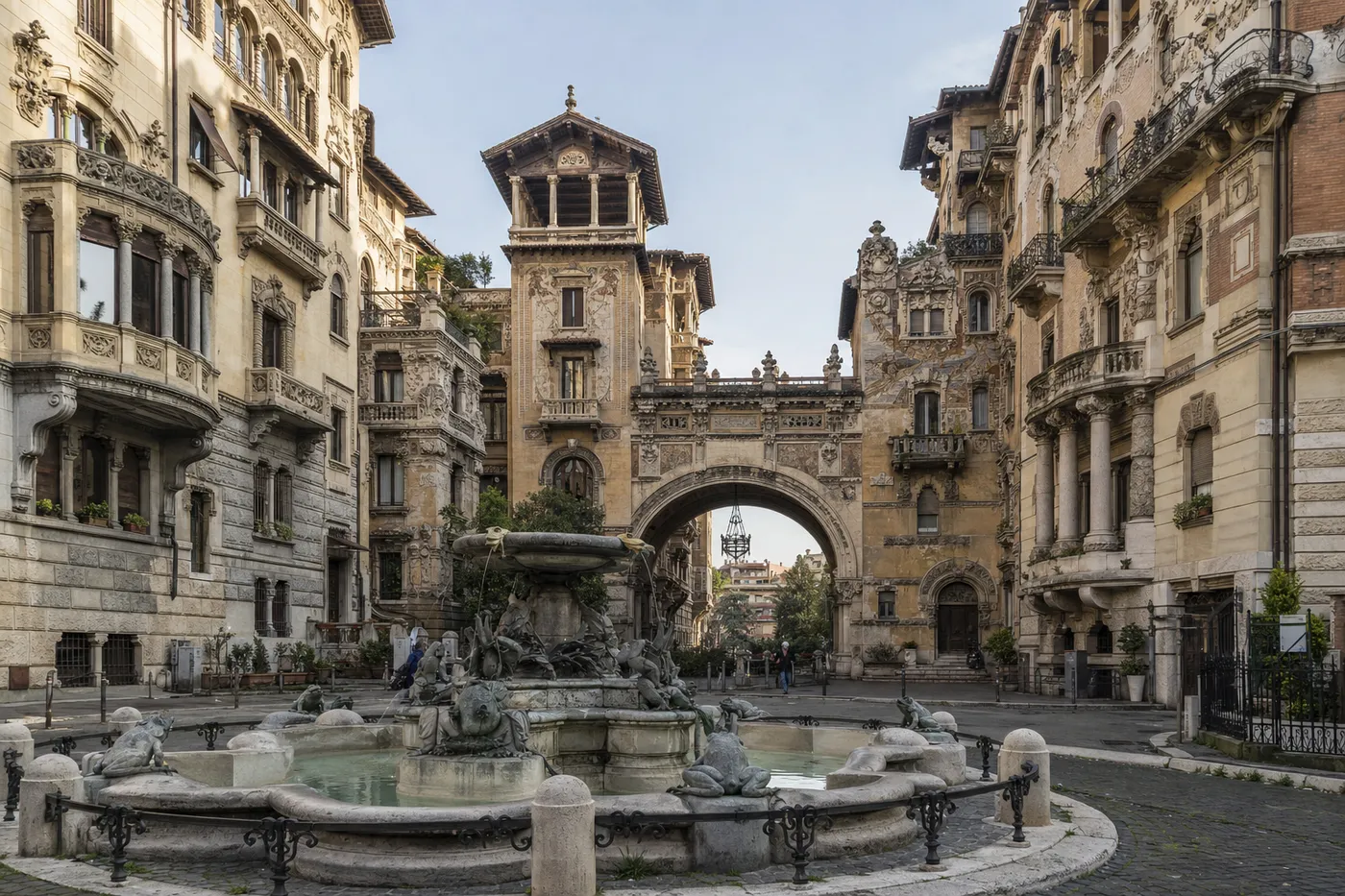
Designed in the early twentieth century by visionary architect Gino Coppedè, this compact architectural enclave feels like a theatrical set dropped into central Rome. Entering beneath a massive wrought-iron chandelier suspended from an archway on Via Tagliamento instantly introduces the area's surreal aesthetic. The heart of the quarter is Piazza Mincio, dominated by the whimsical Fontana delle Rane, or Fountain of the Frogs, where stone amphibians perch along circular basin rims. Surrounding the plaza are fantastical palazzi adorned with carved stone dragons, floral frescoes, wrought-iron balconies, and intricate mosaic friezes. The blend of architectural styles creates an enchanting open-air gallery of early twentieth-century decorative imagination.

Afternoon

Timing

1 pm - 4 pm

Budget

EUR 0

Transit

Tram lines 3 or 19 to Piazza Buenos Aires, followed by a short walk via Via Tagliamento.

Insider tip

Look up at the underside of the entry arch on Via Tagliamento to admire the massive wrought-iron chandelier.

Planning notes

How to move

  1. 1.Alight from Tram 3 or 19 at the Piazza Buenos Aires stop.
  2. 2.Walk one street section east along Via Tagliamento past the monumental decorative entry arch.
  3. 3.Proceed straight into Piazza Mincio at the center of the Coppedè quarter.

Why it fits

Ideal for architecture aficionados, photographers, urban explorers, and visitors seeking unique off-the-beaten-path neighborhood design.

Quick food plan

Piazza Buenos Aires features classic Roman gelaterias, artisanal pasticcerie, and casual lunch bistros.

Nearby reset

Stone benches circling the central Fountain of the Frogs in Piazza Mincio provide a peaceful spot for architectural viewing.

Weather fallback

Nearby cafes and gelaterias surrounding Piazza Buenos Aires offer cozy indoor seating if weather turns drizzly.

Cost cue

free

Official site
6 pm

Evening

Villa Paganini Gardens and Nomentano Shaded Alleys

Half day
Free
Villa Paganini Gardens and Nomentano Shaded Alleys

Villa Paganini offers a quiet residential park setting where neighborhood locals unwind as the afternoon heat fades into pleasant evening air. Redesigned in the late nineteenth century as a romantic garden retreat, the park features a small artificial lake spanned by a rustic stone footbridge, surrounded by mature weeping willows and pine groves. Winding gravel paths pass small neoclassical porticos and quiet playgrounds, creating a gentle environment for evening strolls. Leaving the park leads into the surrounding Nomentano neighborhood, where tree-lined residential avenues reveal elegant villini facades, neighborhood wine bars, and authentic family-run trattorias where dinner preparations are underway across welcoming dining rooms.

Evening

Timing

6 pm - 9 pm

Budget

EUR 0

Transit

Bus lines 60 or 90 along Via Nomentana, or a five-minute walk east from Piazza Mincio.

Insider tip

Cross the small stone footbridge over the park pond near dusk to capture picturesque reflections of the surrounding trees.

Planning notes

How to move

  1. 1.Walk east from Piazza Mincio along Via Chiana for three hundred meters.
  2. 2.Cross Via Nomentana at the pedestrian traffic signal near Largo Villa Paganini.
  3. 3.Enter the main park gates into the central shaded promenade of Villa Paganini.

Why it fits

Suited for travelers desiring authentic residential tranquility, peaceful park breaks, and easy evening neighborhood walks.

Quick food plan

Authentic neighborhood pizzerias nearby serve crispy Roman thin-crust pizzas, supplì fried rice balls, and local craft beers.

Nearby reset

Shaded wooden park benches positioned around the small central lake offer serene water views and refreshing evening air.

Weather fallback

Underneath the broad verandas of nearby neighborhood cafes along Via Nomentana, travelers can stay dry during rain showers.

Cost cue

free

Official site

Day 11

Diocletian Imperial Baths, National Antiquities, and Esquilino Heritage

Baths of Diocletian and Church of Santa Maria degli Angeli e dei Martiri

Diocletian Imperial Baths, National Antiquities, and Esquilino Heritage

Baths of Diocletian and Church of Santa Maria degli Angeli e dei Martiri & Palazzo Massimo alle Terme Classical Sculpture Collection

3 stops

Explore colossal imperial bath engineering transformed by Michelangelo before examining world-class ancient bronzes and mosaics inside Palazzo Massimo. Conclude with an evening culinary walk around Rome's vibrant multi-ethnic market district. The route connects magnificent imperial monumentality with vivid everyday urban culture.

Daily pro tip: Purchase the Museo Nazionale Romano pass if visiting multiple site branches, and allocate extra time for the top-floor ancient wall paintings at Palazzo Massimo.
9 am

Morning

Baths of Diocletian and Church of Santa Maria degli Angeli e dei Martiri

Half day
Moderate
Baths of Diocletian and Church of Santa Maria degli Angeli e dei Martiri

The Baths of Diocletian once formed the largest public bathing complex in the ancient Roman world, capable of accommodating thousands of bathers simultaneously. In the sixteenth century, Michelangelo was commissioned to convert the monumental vaulted frigidarium chamber into the Basilica of Santa Maria degli Angeli e dei Martiri. The result is a breathtaking fusion of ancient Roman structural engineering and Renaissance sacred design, where soaring granite columns support original groin vaults towering over marble floors. Outside the basilica, the museum sector encompasses Michelangelo's grand cloister, a tranquil courtyard surrounded by marble arcades displaying hundreds of ancient altars, funerary monuments, and classical architectural fragments.

Morning

Timing

9 am - 12 pm

Budget

EUR 35

Transit

Metro Line A or B (Termini station), directly across Piazza dei Cinquecento.

Insider tip

Look down at the brass meridian line in the basilica floor near midday to watch the sunbeam pinpoint the current calendar date.

Planning notes

Live check

How to move

  1. 1.Exit Metro Line A or B at Termini station toward Piazza dei Cinquecento.
  2. 2.Walk two hundred meters northwest across the open paved plaza toward the brick ancient bath walls.
  3. 3.Enter the museum hall or main basilica entrance facing Piazza della Repubblica.

Why it fits

Essential for lovers of ancient engineering, Michelangelo's architectural projects, and sacred Roman monumental space.

Quick food plan

Historic cafes around Piazza della Repubblica serve morning espresso, cornetti pastries, and light savory paninis.

Nearby reset

Michelangelo's quiet cloister garden provides shaded arcade seating surrounded by ancient cypress trees and marble statues.

Weather fallback

The immense covered basilica interior and broad museum arcades offer total shelter from heavy rain or summer heat waves.

Cost cue

moderate

Live check

Verify current access, ticketing, and transit details close to travel.
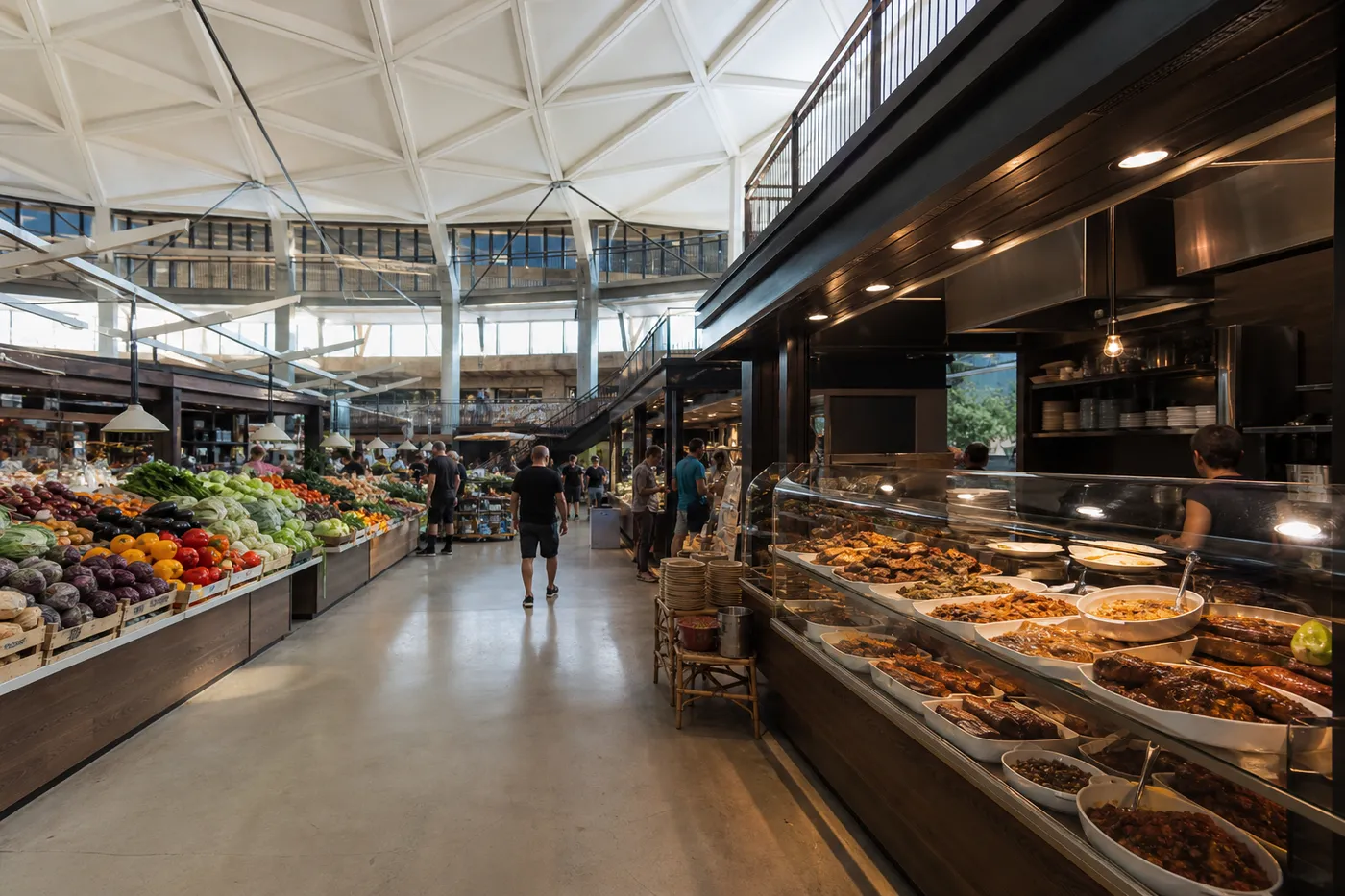
Official site
1 pm

Afternoon

Palazzo Massimo alle Terme Classical Sculpture Collection

Half day
Moderate
Palazzo Massimo alle Terme Classical Sculpture Collection

Housed within a majestic nineteenth-century neo-Renaissance palace, Palazzo Massimo contains one of the world's greatest collections of classical antiquity. Ground and first-floor galleries present breathtaking marble sculptures and rare surviving ancient bronzes, including the famous Boxer at Rest and the bronze Victorious Athlete. The top floor houses an unparalleled cultural treasure: fully reconstructed frescoed rooms removed from ancient Roman villas, most notably the subterranean garden room from the Villa of Livia. Stepping into this climate-controlled space surrounds visitors with vibrant depictions of pomegranate trees, flowering shrubs, and perching birds painted two thousand years ago with astonishing realism and artistic skill.

Afternoon

Timing

1 pm - 4 pm

Budget

EUR 35

Transit

Metro Line A or B (Termini station), right beside Piazza dei Cinquecento.

Insider tip

Spend extra time on the top floor studying the Villa of Livia garden frescoes to appreciate early Roman atmospheric perspective.

Planning notes

Live check

How to move

  1. 1.Exit the Baths of Diocletian and cross Via Cernaia toward Largo di Villa Peretti.
  2. 2.Walk fifty meters south toward the grand entrance facade of Palazzo Massimo.
  3. 3.Pass through main security screening into the central covered atrium.

Why it fits

Must-visit for classical art enthusiasts, ancient historians, archaeologists, and travelers seeking premier museum experiences.

Quick food plan

Mercato Centrale inside Termini station offers artisanal food stalls serving freshly made pasta, Roman pizza, and gelato.

Nearby reset

The quiet, air-conditioned bench seating in the museum's ground-floor inner courtyard provides a relaxing pause.

Weather fallback

Fully climate-controlled gallery spaces offer ideal conditions for escaping extreme outdoor heat or rainy weather.

Cost cue

moderate

Live check

Verify current access, ticketing, and transit details close to travel.
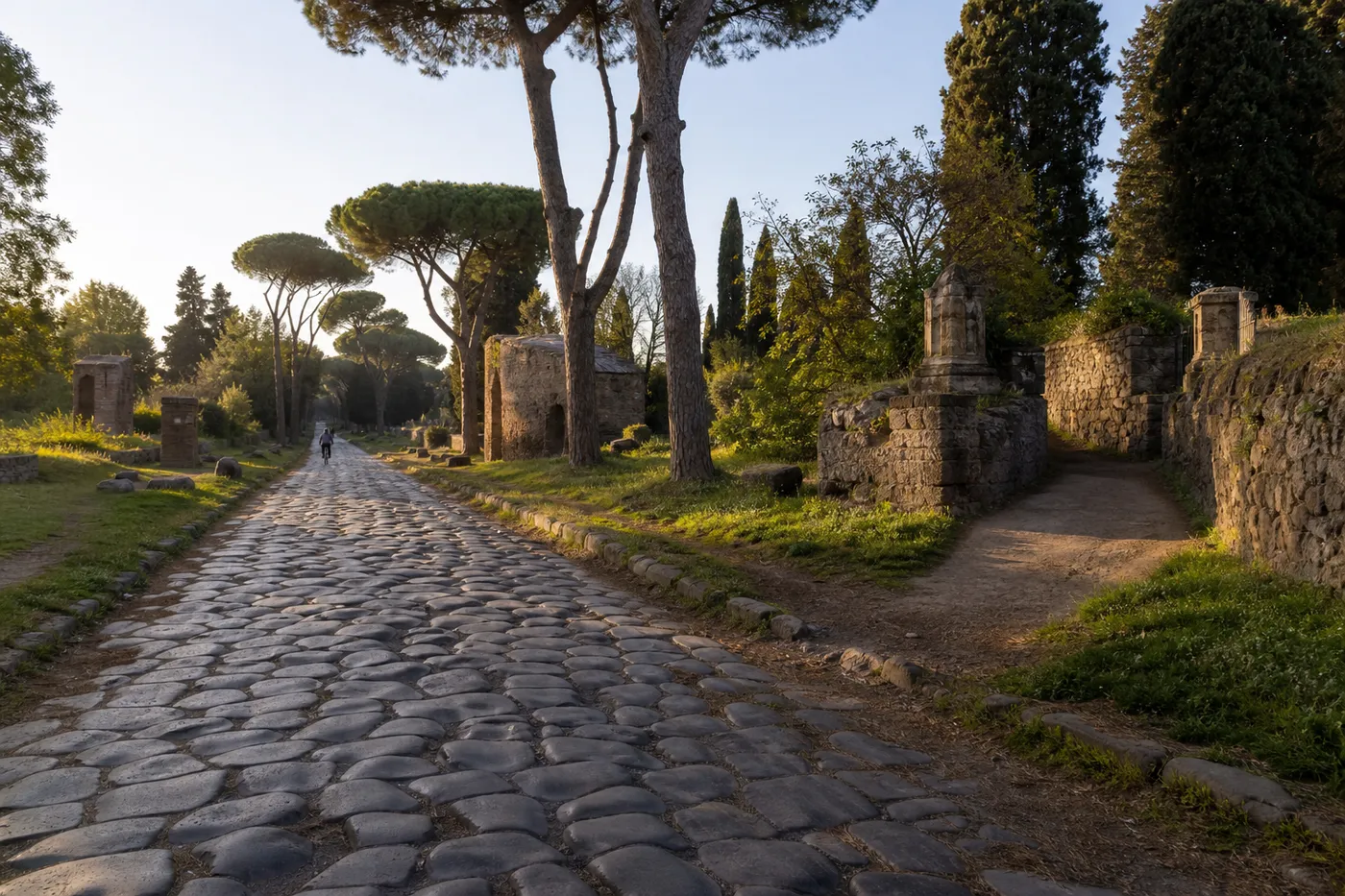
Official site
6 pm

Evening

Esquilino Market District and Piazza Vittorio Emanuele II Gardens

Half day
Free
Esquilino Market District and Piazza Vittorio Emanuele II Gardens

The Esquilino district offers a dynamic, cosmopolitan perspective on modern Roman life, centered around the monumental nineteenth-century porticos of Piazza Vittorio Emanuele II. The plaza's large central park features tall palm trees, manicured lawns, and the intriguing stone ruins of the Porta Magica, an ancient alchemical portal shrouded in local legend. Surrounding arcades host bustling market stalls, spice shops, international bakeries, and traditional Roman trattorias, reflecting the neighborhood's rich cultural diversity. As late afternoon settles across the city, local families, students, and travelers gather under the tree canopy to enjoy cool evening breezes and vibrant neighborhood energy across open green spaces.

Evening

Timing

6 pm - 9 pm

Budget

EUR 0

Transit

Metro Line A (Vittorio Emanuele station), located directly inside the square.

Insider tip

Locate the mysterious 17th-century Porta Alchemica stone doorway tucked into the northern lawn of the park gardens.

Planning notes

How to move

  1. 1.Board Metro Line A at Termini and travel one stop east to Vittorio Emanuele station.
  2. 2.Ascend the station escalators directly into the arcaded perimeter of Piazza Vittorio.
  3. 3.Walk into the central park gardens past the historic palm groves and alchemical portal.

Why it fits

Great for food lovers, urban culture enthusiasts, and travelers interested in experiencing modern Rome's multicultural identity.

Quick food plan

Sample authentic Roman-Jewish pastries, artisanal gelato, or dim sum and spice specialties around the perimeter arcades.

Nearby reset

Benches set beneath mature palm groves inside the central garden of Piazza Vittorio offer comfortable evening seating.

Weather fallback

The broad covered arcades surrounding all four sides of Piazza Vittorio allow continuous dry walking during rain.

Cost cue

free

Official site

Day 12

Southern Aqueduct Park Trails, Tomb Monuments, and Appian Estates

Park of the Aqueducts and Aqua Claudia Masonry Trails

Southern Aqueduct Park Trails, Tomb Monuments, and Appian Estates

Park of the Aqueducts and Aqua Claudia Masonry Trails & Tomb of Caecilia Metella and Circus of Maxentius Complex

3 stops

Escape the dense city center for open countryside along massive ruined aqueduct arcades spanning green meadows. Trace ancient Roman road architecture past grand noble tombs before exploring sprawling suburban imperial villa grounds. The itinerary delivers sweeping outdoor wilderness landscapes backed by monumental ancient engineering.

Daily pro tip: Rent a sturdy city bike or hybrid bicycle near the Park entrance, wear sunscreen, and carry plenty of drinking water for countryside trails.
9 am

Morning

Park of the Aqueducts and Aqua Claudia Masonry Trails

Half day
Free
Park of the Aqueducts and Aqua Claudia Masonry Trails

The Park of the Aqueducts, or Parco degli Acquedotti, presents one of the most awe-inspiring countryside landscapes in metropolitan Rome. Here, seven ancient Roman aqueducts converge across green fields, dominated by the colossal soaring arches of the Aqua Claudia and Anio Novus built in the first century AD. Walking along the unpaved meadow paths beneath these massive stone structures offers a breathtaking perspective on ancient civil engineering set against the backdrop of the distant Alban Hills. The open parkland preserves a timeless rural atmosphere where wild pine trees, grazing sheep, and trickling streams recall historic romantic paintings of the Roman Campagna created by nineteenth-century European masters.

Morning

Timing

9 am - 12 pm

Budget

EUR 0

Transit

Metro Line A (Giulio Agricola station), followed by a five-minute walk down Viale Giulio Agricola.

Insider tip

Visit during mid-morning when side lighting emphasizes the dramatic texture and height of the ancient brick arches.

Planning notes

How to move

  1. 1.Take Metro Line A southeast from central Rome to Giulio Agricola station.
  2. 2.Walk south along Viale Giulio Agricola for five hundred meters straight to Via Lemonia.
  3. 3.Step through the park perimeter gate directly onto the meadow trails facing the Aqua Claudia arches.

Why it fits

Ideal for nature walkers, cyclists, photographers, ancient history buffs, and families seeking wide open countryside space.

Quick food plan

Local bakeries near Giulio Agricola metro station sell fresh porchetta sandwiches, crusty bread, and chilled fruit juice.

Nearby reset

Grassy knolls in the shade of the colossal Aqua Claudia stone arches provide peaceful picnic and resting spots.

Weather fallback

Because this is an open countryside park, heavy rain requires retreating to nearby cafes along Viale Giulio Agricola.

Cost cue

free

Official site
1 pm

Afternoon

Tomb of Caecilia Metella and Circus of Maxentius Complex

Half day
Moderate
Tomb of Caecilia Metella and Circus of Maxentius Complex

Dominating a prominent crest along the ancient Via Appia Antica, the Tomb of Caecilia Metella stands as an iconic landmark of Roman funerary architecture. Built during the late Republic for a wealthy noblewoman, the monumental cylindrical tower faced in fine travertine marble was later incorporated into a medieval crenellated castle by the Caetani family. Directly adjacent lies the extraordinary Circus of Maxentius, one of the best-preserved ancient Roman chariot racing stadiums in existence. Visitors can walk the original racetrack floor, examine the surviving starter gate towers, and view the central spina barrier where chariots once thundered past thousands of cheering spectators under the Mediterranean sun.

Afternoon

Timing

1 pm - 4 pm

Budget

EUR 35

Transit

Bus line 118 or 660 along Via Appia Antica or Via Appia Pignatelli.

Insider tip

Walk to the far end of the Circus of Maxentius racetrack to look back at the intact starter towers and tomb tower silhouette.

Planning notes

Live check

How to move

  1. 1.Board bus 660 near Arco di Travertino metro station or bus 118 from central Rome.
  2. 2.Alight at the dedicated Tomb of Caecilia Metella stop along Via Appia Antica.
  3. 3.Walk one hundred meters along the basalt cobblestones to the main archaeological entry gate.

Why it fits

Great for ancient history scholars, castle architecture enthusiasts, and travelers exploring the scenic Appian Way corridor.

Quick food plan

Charming garden osterie along Via Appia Antica offer outdoor patio seating for wood-fired pizzas and local wines.

Nearby reset

Shaded stone benches situated inside the quiet interior courtyard of the Caetani castle complex offer cool rest spots.

Weather fallback

Underneath the thick masonry vaults of the Caetani castle rooms, visitors find solid cover during rain showers.

Cost cue

moderate

Live check

Verify current access, ticketing, and transit details close to travel.
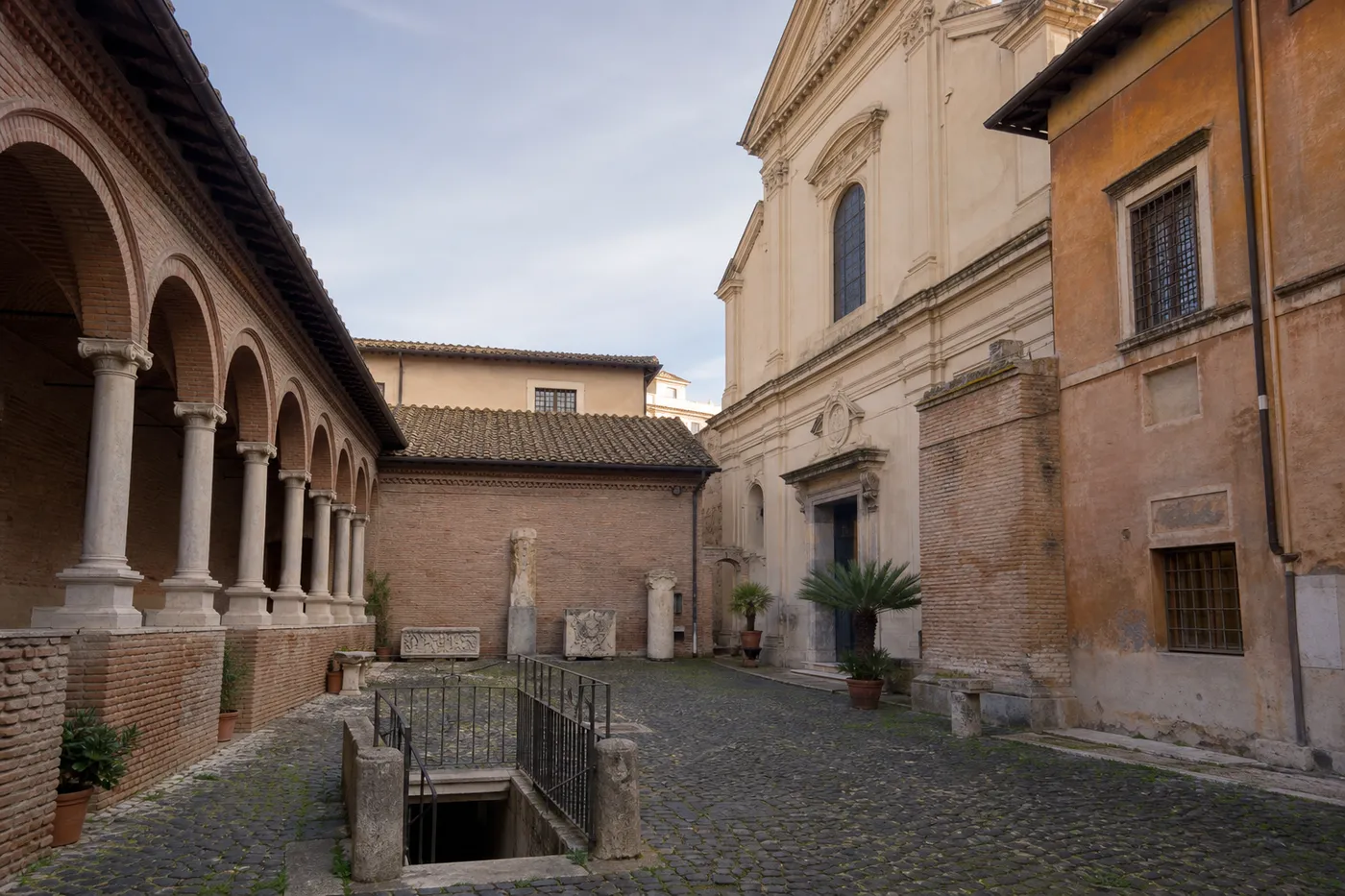
Official site
6 pm

Evening

Villa dei Quintili Archaeological Park and Suburban Estate Grounds

Half day
Moderate
Villa dei Quintili Archaeological Park and Suburban Estate Grounds

Stretching across rolling fields along the southern reach of the Via Appia, the Villa dei Quintili was so magnificent that Emperor Commodus executed its original owners to seize the property for himself. This vast suburban estate functioned almost as a miniature city, complete with private thermal bath complexes, grand reception halls, an aqueduct, and an extensive hippodrome garden. Today, walking among the soaring brick ruins reveals preserved polychrome marble floor mosaics, imperial plumbing conduits, and monumental bathing halls with original window arches intact. As evening light warms the terracotta brickwork, the elevated location offers serene vistas across the surrounding countryside toward the Roman skyline.

Evening

Timing

6 pm - 9 pm

Budget

EUR 35

Transit

Bus line 118 or 664, or a scenic walk south along the basalt pavement of Via Appia Antica.

Insider tip

Look closely at the bath hall floors to admire intact geometric marble mosaic tiles preserved in situ under protective coverings.

Planning notes

Live check

How to move

  1. 1.Walk south along Via Appia Antica from Caecilia Metella for approximately fifteen minutes.
  2. 2.Alternatively board bus line 118 south to the dedicated Villa dei Quintili stop.
  3. 3.Enter through the visitor entrance gate leading onto the wooden archaeological boardwalks.

Why it fits

Designed for travelers who love extensive archaeological sites, countryside tranquility, and uncrowded historical exploration.

Quick food plan

Traditional country trattorias along the upper Appian Way serve grilled lamb chops, handmade fettuccine, and local carciofi.

Nearby reset

Resting benches positioned along the elevated boardwalks offer sweeping views over the ruined imperial bath halls and fields.

Weather fallback

The on-site Antiquarium museum building provides covered, climate-controlled gallery viewing if rain begins.

Cost cue

moderate

Live check

Verify current access, ticketing, and transit details close to travel.
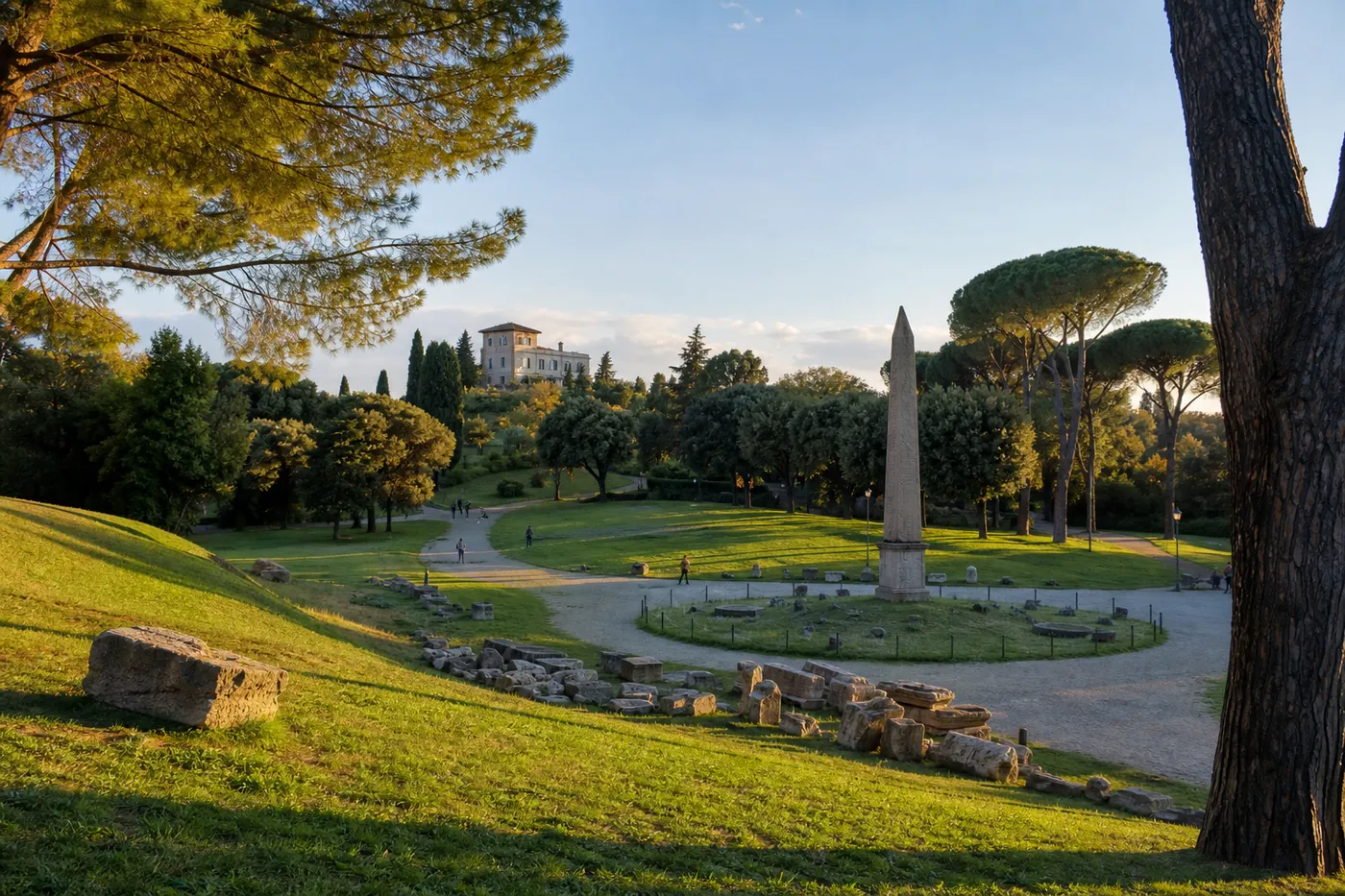
Official site

Day 13

Garbatella Garden City Quarters, Tiber Island Bridges, and Underground Palaces

Garbatella Historical Garden City Estates and Lot Architecture

Garbatella Garden City Quarters, Tiber Island Bridges, and Underground Palaces

Garbatella Historical Garden City Estates and Lot Architecture & Tiber Island, River Moat, and Fabrician Bridge Walkway

3 stops

Trace early twentieth-century garden city architecture through Garbatella's intimate communal courtyards before returning riverside to cross ancient Tiber bridges. Descend beneath modern civic buildings into light-projected Roman patrician villas. The day bridges working-class architectural heritage with ancient underground residential archaeology.

Daily pro tip: Book timed-entry passes for Le Domus Romane di Palazzo Valentini online well ahead of time, as small group sizes are strictly enforced inside the subterranean venue.
9 am

Morning

Garbatella Historical Garden City Estates and Lot Architecture

Half day
Free
Garbatella Historical Garden City Estates and Lot Architecture

Founded in the 1920s as a visionary housing initiative for working-class families, Garbatella stands as one of Rome's most charming and distinctive neighborhoods. Designed around the English Garden City architectural movement, the district is organized into residential 'lotti'—clusters of low-rise apartment buildings surrounding shared inner courtyards, gardens, and drying yards. Architecturally, the neighborhood championed the Barocchetto Romano style, characterized by whimsical plaster relief details, curved balconies, terra-cotta decorative plaques, and wrought-iron accents. Walking through Piazza Bartolomeo Romano and along winding pedestrian staircases reveals lush community gardens, sleeping cats, and a vibrant local neighborhood pride that feels worlds away from tourist-packed plazas.

Morning

Timing

9 am - 12 pm

Budget

EUR 0

Transit

Metro Line B (Garbatella station), followed by a five-minute walk up the hill steps.

Insider tip

Climb the grand curved staircase leading up to Piazza Benedetto Brin where the founding stone of Garbatella was laid in 1920.

Planning notes

How to move

  1. 1.Exit Metro Line B at Garbatella station onto Via Ostiense.
  2. 2.Climb the pedestrian hill staircase leading onto Via Romano Alberti.
  3. 3.Walk three hundred meters into Piazza Benedetto Brin at the historic core of the neighborhood.

Why it fits

Perfect for urban design enthusiasts, 20th-century architecture fans, photographers, and travelers seeking authentic neighborhood life.

Quick food plan

Neighborhood espresso bars around Piazza Damiano Sauli serve traditional maritozzi pastries and freshly pulled coffee.

Nearby reset

Shaded public stone benches in the garden courtyard of Lot 24 offer a peaceful, atmospheric neighborhood rest spot.

Weather fallback

Underneath the covered archways and porticos surrounding Piazza Damiano Sauli, travelers can take shelter from rain showers.

Cost cue

free

Official site
1 pm

Afternoon

Tiber Island, River Moat, and Fabrician Bridge Walkway

Half day
Free
Tiber Island, River Moat, and Fabrician Bridge Walkway

Tiber Island, or Isola Tiberina, sits like a stone boat anchored in the bend of the Tiber River, connected to opposite riverbanks by ancient stone bridges. Accessing the island from the Jewish Ghetto means walking across Ponte Fabricio, built in 62 BC and remaining the oldest original bridge in Rome still standing intact. Historically dedicated to Aesculapius, the ancient Greek god of medicine, the island has maintained a continuous tradition of healing for over two thousand years, today represented by the historic Fatebenefratelli Hospital. Walking the island's stone perimeter walkways offers unique water-level perspectives on the rushing Tiber, historic travertine embankments, and the ancient stone arches supporting Ponte Cestio.

Afternoon

Timing

1 pm - 4 pm

Budget

EUR 0

Transit

Tram line 8 to Arenula/Ministero Grazia e Giustizia, or Bus line 23 or 280 to Lungotevere dei Cenci.

Insider tip

Examine the four-headed stone herms carved into the parapet posts of Ponte Fabricio, known locally as the Four Heads bridge.

Planning notes

How to move

  1. 1.Alight from Tram 8 along Via Arenula near the edge of the historic Jewish Ghetto.
  2. 2.Walk two hundred meters south to the riverbank and cross the ancient stone arches of Ponte Fabricio.
  3. 3.Arrive on the central paved plaza of Tiber Island facing the Church of San Bartolomeo.

Why it fits

Suited for ancient history enthusiasts, river walkers, photographers, and travelers navigating between Trastevere and central sights.

Quick food plan

Historic island trattorias and nearby Ghetto bakeries serve fried artichokes, ricotta sour cherry tart, and fresh seafood.

Nearby reset

Benches along the quiet paved lower river embankment offer soothing sights and sounds of flowing Tiber water.

Weather fallback

The interior nave of the Church of San Bartolomeo provides a quiet, dry place of sanctuary during sudden rain.

Cost cue

free

Official site
6 pm

Evening

Le Domus Romane di Palazzo Valentini Subterranean Patrician Villas

Half day
High
Le Domus Romane di Palazzo Valentini Subterranean Patrician Villas

Beneath the administrative offices of Palazzo Valentini near Piazza Venezia lies a breathtaking subterranean archaeological site: two wealthy Roman patrician villas dating from the imperial era. Guided visits lead small groups down glass walkways suspended over intact mosaic floors, hypocaust heating systems, private thermal baths, and soaring stone walls. What sets Palazzo Valentini apart is its brilliant use of multimedia light projections, which project missing marble walls, colorful wall frescoes, and luxury furnishings directly onto the ancient ruins. The visual technology seamlessly resurrects ancient architectural grandeur, making complex underground archaeology instantly vivid, understandable, and deeply moving for visitors of all background levels.

Evening

Timing

6 pm - 9 pm

Budget

EUR 60

Transit

Bus lines 40, 64, 80, or 85 to Piazza Venezia, followed by a one-minute walk to Via Foro Traiano.

Insider tip

Arrive fifteen minutes before your scheduled reservation slot to complete security screening without missing the group entry departure.

Planning notes

Live check

How to move

  1. 1.Take any major bus route terminating or stopping at Piazza Venezia.
  2. 2.Walk fifty meters east along the edge of Trajan's Forum toward Via Foro Traiano.
  3. 3.Enter the main courtyard portal of Palazzo Valentini for security check-in.

Why it fits

Must-see for tech-forward museum fans, ancient archaeology lovers, families, and travelers who appreciate high-production history tours.

Quick food plan

Traditional wine bars around Piazza Santi Apostoli offer glass pours of Lazio wines, crostini, and regional charcuterie.

Nearby reset

The peaceful, arcaded courtyard inside Palazzo Valentini provides sheltered seating before or after scheduled tour slots.

Weather fallback

This entirely subterranean indoor facility provides complete protection from outdoor weather conditions year-round.

Cost cue

high

Live check

Verify current access, ticketing, and transit details close to travel.
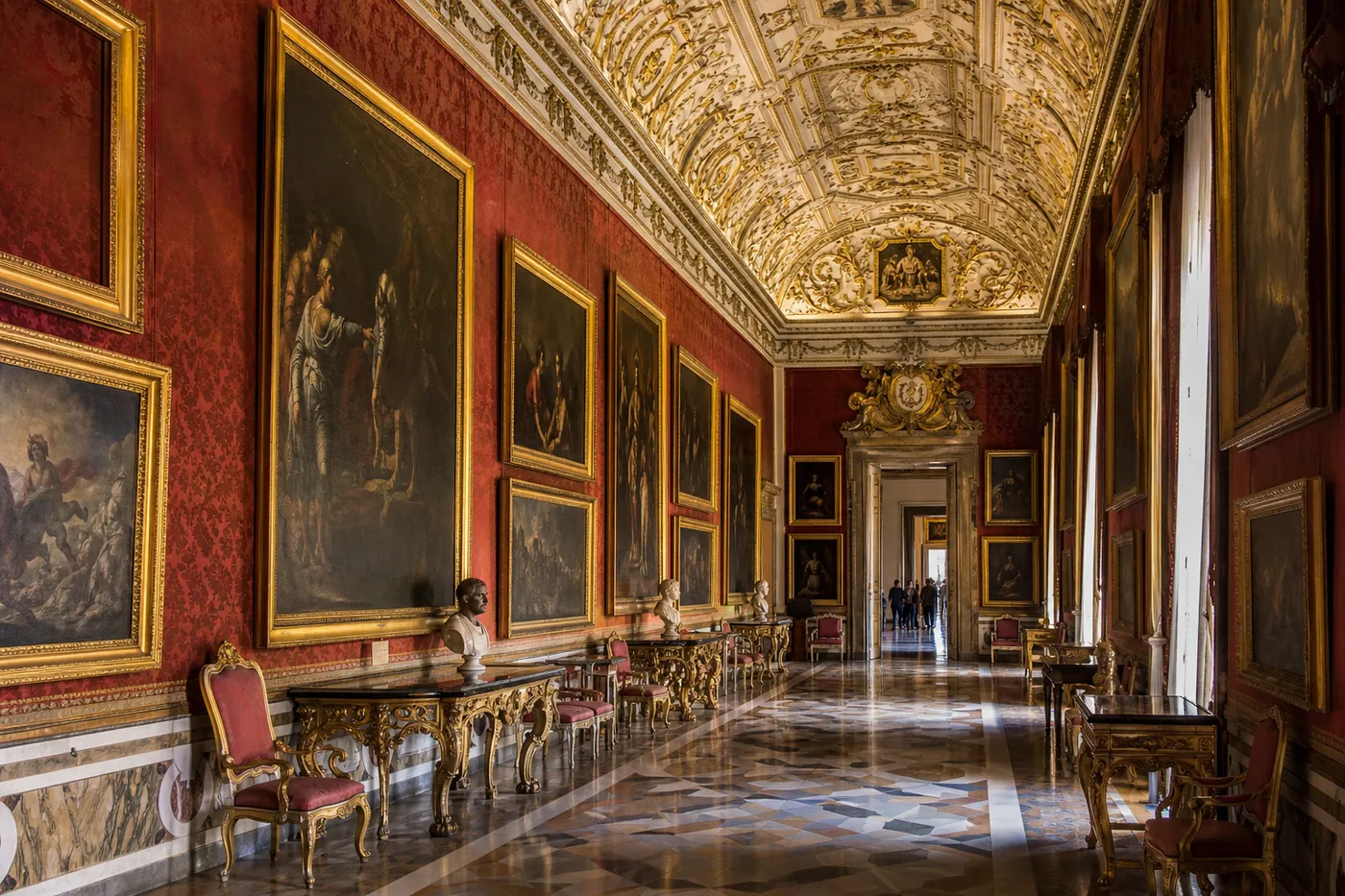
Official site

Day 14

Modern Art Galleries, Villa Ada Parkland Trails, and Catacomb Sanctuaries

Galleria Nazionale d'Arte Moderna e Contemporanea Art Collections

Modern Art Galleries, Villa Ada Parkland Trails, and Catacomb Sanctuaries

Galleria Nazionale d'Arte Moderna e Contemporanea Art Collections & Villa Ada Savoia Parkland Trails and Pine Groves

3 stops

Immerse in nineteenth- and twentieth-century masterworks at Italy's national modern art gallery before walking serene lakeside trails in Villa Ada. Conclude the seven-day extension inside an ancient subterranean catacomb complex and early Christian round mausoleum. The final day synthesizes modern artistic vision with profound early sacred archaeology.

Daily pro tip: Book entry passes for the Saint Agnes catacombs in advance, and allow a full afternoon for relaxing along Villa Ada's extensive woodland walking routes.
9 am

Morning

Galleria Nazionale d'Arte Moderna e Contemporanea Art Collections

Half day
Moderate
Galleria Nazionale d'Arte Moderna e Contemporanea Art Collections

Housed within a majestic neoclassical palace built for the 1911 International Exposition, the Galleria Nazionale d'Arte Moderna e Contemporanea (GNAM) showcases over twenty thousand works of modern art. Situated at the edge of Villa Borghese facing Valle Giulia, the grand monumental staircases welcome visitors into luminous, high-ceilinged gallery rooms. The collection highlights major Italian movements, including the Macchiaioli, Divisionism, and the groundbreaking dynamism of Italian Futurism represented by Boccioni and Balla. Famous international modernists such as Monet, Cézanne, Van Gogh, Modigliani, and Kandinsky are also represented. Thoughtful curatorial displays spark dialogue between classical marble aesthetics and radical modern artistic experimentation across painting and sculpture.

Morning

Timing

9 am - 12 pm

Budget

EUR 35

Transit

Tram lines 3 or 19 to the Valle Giulia stop, right in front of the museum steps.

Insider tip

Pause in the central hall to admire Canova's heroic marble sculpture Hercules and Lichas positioned against grand columns.

Planning notes

Live check

How to move

  1. 1.Board Tram 3 or 19 heading toward Flaminio and alight at the Valle Giulia stop.
  2. 2.Walk fifty meters across Viale delle Belle Arti directly to the grand marble museum staircase.
  3. 3.Ascend the steps to pass through security into the central grand entrance hall.

Why it fits

Must-visit for modern art lovers, 19th-century painting scholars, and travelers seeking quiet grand museum galleries.

Quick food plan

The museum's indoor cafe serves freshly prepared salads, artisan sandwiches, espresso drinks, and wine.

Nearby reset

The grand outdoor marble steps of the museum facade provide sunny seating overlooking the green slopes of Valle Giulia.

Weather fallback

Spacious climate-controlled indoor galleries offer an ideal environment during rainy weather or summer heat.

Cost cue

moderate

Live check

Verify current access, ticketing, and transit details close to travel.
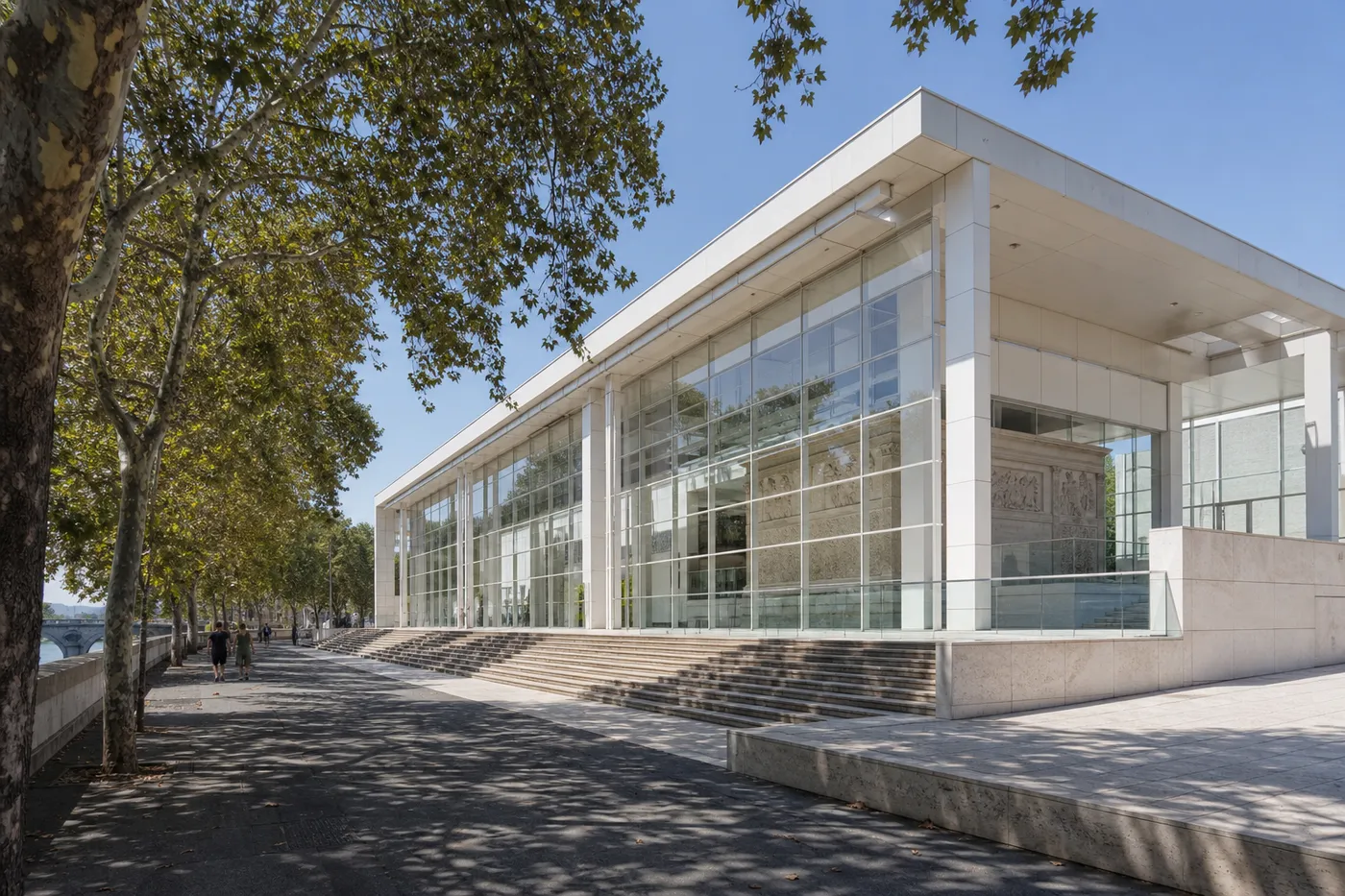
Official site
1 pm

Afternoon

Villa Ada Savoia Parkland Trails and Pine Groves

Half day
Free
Villa Ada Savoia Parkland Trails and Pine Groves

Villa Ada Savoia is one of Rome's largest and most ecologically diverse public parks, offering an expansive retreat of natural woodland and manicured grounds. Formerly the private royal estate of the House of Savoy, the park encompasses over one hundred and eighty hectares of rolling hills, dense stone pine forests, and tranquil lakes. Dirt trails and paved pedestrian pathways crisscross the terrain, leading walkers past historic royal residence villas, stone fountains, and peaceful water basins where waterfowl nest. The park retains a delightfully wild, natural character where local runners, families, and nature enthusiasts escape city pavement to immerse in green silence under soaring forest canopies.

Afternoon

Timing

1 pm - 4 pm

Budget

EUR 0

Transit

Bus lines 63, 83, or 92 along Via Salaria, or a short walk northeast from the Coppedè district.

Insider tip

Walk around the eastern lake shore during late afternoon to catch golden sunlight reflecting across the water surface.

Planning notes

How to move

  1. 1.Board bus 63 or 83 along Via Salaria heading north toward the Nomentano district.
  2. 2.Alight at the dedicated Villa Ada entrance stop along Via Salaria.
  3. 3.Step through the iron gates onto the shaded gravel walking paths leading toward the central lake.

Why it fits

Great for outdoor enthusiasts, runners, nature lovers, families, and travelers seeking peaceful natural woodland walks.

Quick food plan

Park kiosks near the lake sell cold drinks, paninis, gelato, and espresso for casual outdoor lunches.

Nearby reset

Wooden benches lining the perimeter of the park's central lake offer serene water views under weeping willow shade.

Weather fallback

Under the wide eaves of park cafes along Via Salaria, visitors can wait out sudden rain showers in comfort.

Cost cue

free

Official site
6 pm

Evening

Monumental Complex of Saint Agnes and Mausoleum of Santa Costanza

Half day
Low
Monumental Complex of Saint Agnes and Mausoleum of Santa Costanza

Located along Via Nomentana, the monumental complex of Sant'Agnese fuori le Mura offers a profound journey into early Christian Rome. The site encompasses an ancient basilica built over the tomb of the martyr Saint Agnes, active subterranean catacombs, and the extraordinary Mausoleum of Santa Costanza. Built in the fourth century for Emperor Constantine's daughter, Santa Costanza is a masterpiece of early Christian architecture, featuring a circular floor plan encircled by twin granite columns. Its vaulted brick ring corridor preserves breathtaking fourth-century mosaics depicting delicate vine harvests, peacocks, geometric patterns, and biblical scenes set against shimmering white tile backgrounds across the ancient ceiling.

Evening

Timing

6 pm - 9 pm

Budget

EUR 12

Transit

Metro Line B1 (Sant'Agnese/Annibaliano station), or Bus lines 60, 80, or 90 along Via Nomentana.

Insider tip

Look up at the barrel-vaulted ceiling of Santa Costanza to admire the intricate fourth-century grape harvesting mosaic scenes.

Planning notes

Live check

How to move

  1. 1.Take Metro Line B1 to Sant'Agnese/Annibaliano station.
  2. 2.Walk three hundred meters east along Via Nomentana to the stone gateway of the Sant'Agnese complex.
  3. 3.Enter the quiet courtyard leading directly to the Mausoleum of Santa Costanza entrance.

Why it fits

Essential for early Christian history scholars, mosaic art lovers, sacred architecture admirers, and travelers seeking spiritual quiet.

Quick food plan

Charming trattorias along Via Nomentana serve traditional Roman pasta, roasted meats, and Lazio regional wines.

Nearby reset

The peaceful stone cloister courtyard between the basilica and mausoleum offers quiet seating under olive trees.

Weather fallback

The subterranean catacomb galleries and indoor mausoleum dome provide complete shelter from outdoor weather.

Cost cue

low

Live check

Verify current access, ticketing, and transit details close to travel.
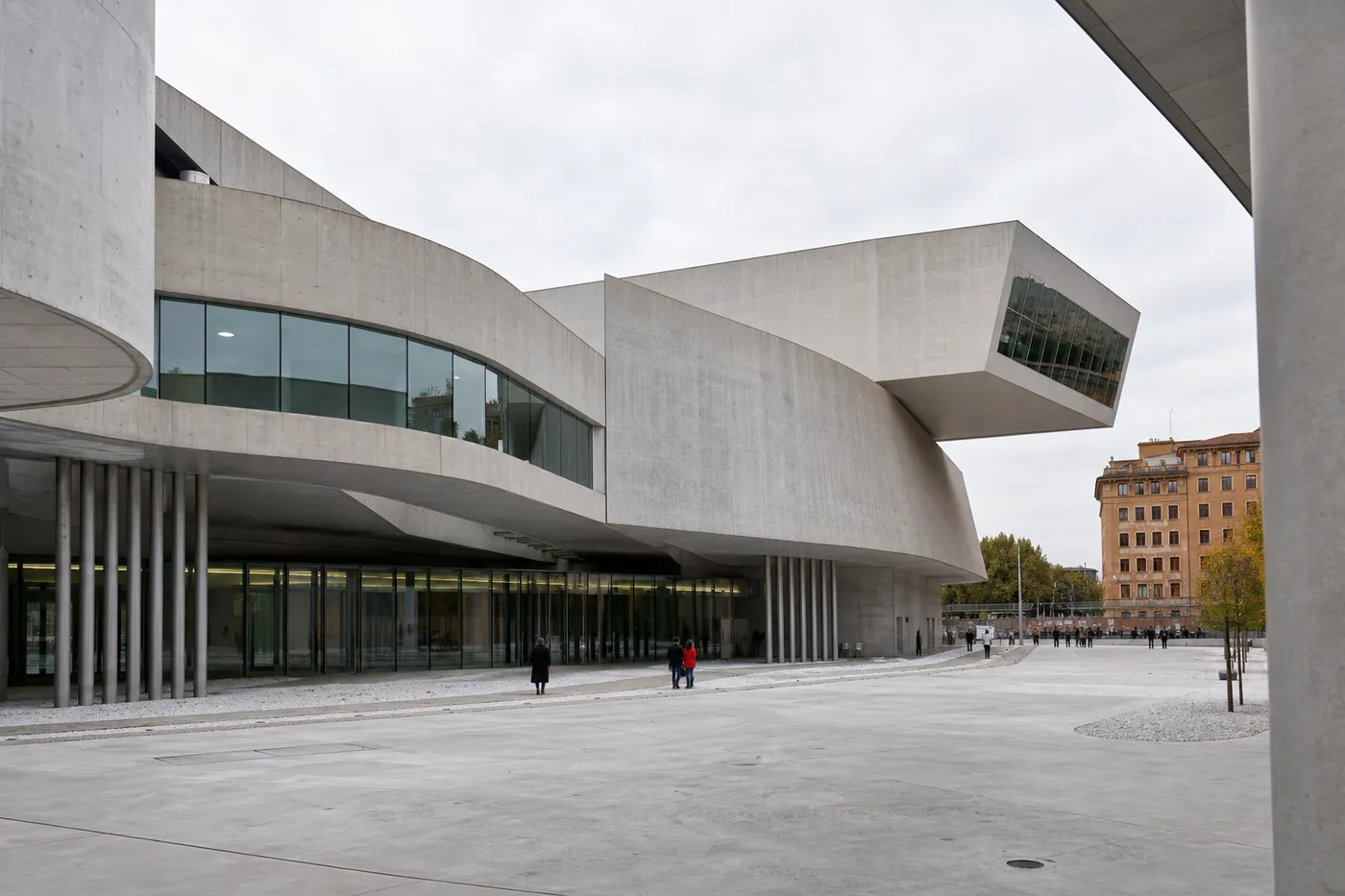
Official site