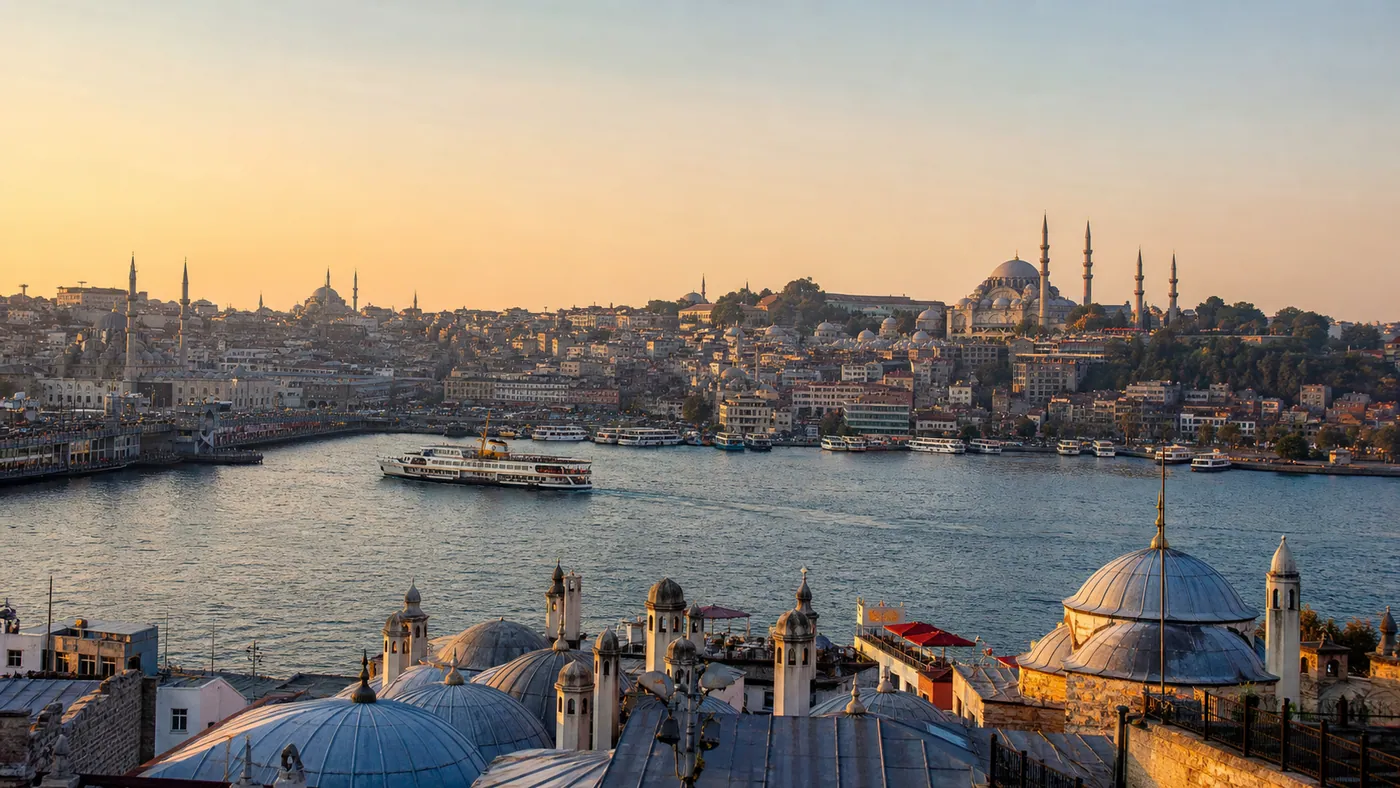
10-Day Istanbul Foodies Itinerary 2026: Karakoy Bakery and Historic Breakfast Lanes, Eminonu Waterfront and Spice Bazaar Corridors, Karakoy Meze and Regional Kebab Quarter, Kadikoy Market Traditional Breakfast Lanes
Istanbul explored through market halls, street-food lanes, historic trading districts, tea culture, regional cooking, and modern dining neighborhoods. Every day remains food-first while keeping meal pacing and transfers practical.
Buy an Istanbulkart at any major transit hub to pay easily for all trams, ferries, and funiculars throughout the day.
T1 tram and walking routes allow easy navigation across the Galata Bridge between Karakoy and Eminonu without the need for taxis.
09:00Karakoy, Beyoglu, Istanbul
Karakoy Bakery and Historic Breakfast Lanes
Mornings in Karakoy begin with the comforting aroma of baked dough escaping from narrow stone storefronts that have stood for generations. Settle into a small wooden stool on a cobblestone side alley and enjoy a portion of warm, buttery su boregi alongside a glass of dark tea. You will watch local shopkeepers open their shutters while vendors carry towering trays of sesame-crusted simit through the lanes.
Tip: Order a portion of sade (plain) boreg together with a small dish of local clotted cream (kaymak) to spread between the hot, buttery layers.
Eminonu is a sensory whirlwind where the smell of salty sea air mixes with grilled mackerel and roasted coffee. Down by the docks, the swaying boats prepare balik ekmek, which is best eaten standing up among the bustling crowd of commuters. Just steps away, the L-shaped Spice Bazaar invites you under its brick domes to smell wild thyme, red pepper flakes, and dried flowers.
Tip: Skip the tourist-heavy central aisle of the Spice Bazaar and seek out the external west wall on Hasircilar Street, where locals queue for freshly ground coffee and artisan olives.
Next move: Walk across Galata Bridge or T1 Tram (Eminonu station)
As night falls, Karakoy's historic alleyways transition into a lively dining scene lit by hanging globes and neon lights. The local taverns and grill houses serve as social gathering points where plates of cold meze like roasted eggplant salad and samphire are shared among friends. The meal builds toward charred skewers of marinated lamb cooked over glowing embers of oak charcoal.
Tip: Request a seat near the copper hood of the ocakbasi grill so you can interact with the chef and get your flatbread warmed directly on the sizzling meat.
Next move: T1 Tram or F2 Historic Funicular (Karakoy station)
Keep small change ready to buy a warm simit at the ferry pier to feed the seagulls during the Bosphorus crossing.
Bosphorus ferries and the retro T3 tram line provide scenic, simple connections between the Kadikoy harbor and the residential streets of Moda.
09:00Kadikoy, Istanbul
Kadikoy Market Traditional Breakfast Lanes
Leaving the European shore behind, the ferry deposits you at the gate of Kadikoy's lively food market. Here, the traditional breakfast table is an art form, featuring small bowls of green olives, regional honey, and thick clotted kaymak. Warm flatbreads are served alongside endless small glasses of hot tea as the market stalls begin their day.
Tip: Drizzle the raw pine honey directly over the fresh kaymak and spread it on a hot piece of wood-fired pide for the perfect sweet-savory bite.
Kadikoy Historic Food Market and Regional Kitchens
The historic market of Kadikoy is a lively maze of fishmongers, pickle shops, and vegetable stalls. Tucked into these streets are regional dining rooms that prepare homestyle Anatolian stews and stuffed vegetables. Diners can select their dishes directly from glass display cases filled with seasonal greens, olive-oil braised beans, and slow-cooked lamb.
Tip: Order a side of strained buffalo yogurt to accompany any slow-cooked vegetable stews to add a rich, cooling contrast.
Moda Waterfront Tea Gardens and Traditional Sweets
As the afternoon cools, walk south along the leafy streets of Moda to reach the public tea gardens perched on the cliffs. Locals gather here under mature trees to sip black tea and watch the ferries cross the Marmara Sea. Afterward, return to the inner streets to taste traditional milk desserts like caramelized kazandibi.
Tip: Ask for a scoop of plain goat-milk ice cream served directly on top of warm, caramelized milk pudding.
Next move: Walking or T3 Retro Tramway (Moda station)
Pair your afternoon street food with a glass of frothy, salted ayran to balance the rich spices of the baked dough.
Ferries and coastal public buses run frequently along the European Bosphorus highway, making travel between Besiktas and Ortakoy straightforward.
09:00Besiktas, Istanbul
Besiktas Breakfast Street and Menemen Quarter
The pedestrian lanes of Besiktas wake up early to the sound of sizzling metal pans and lively student chatter. In this dense cluster of cafes, breakfast is centered around menemen, a rich scramble of eggs, peppers, and tomatoes cooked in small copper dishes. You will sit at simple outdoor tables surrounded by locals enjoying warm bread and fresh cheese.
Tip: Request a basket of toasted sourdough bread to soak up the spiced tomato juices at the bottom of your menemen pan.
The central market of Besiktas is a sensory experience of local fishmongers, butchers, and bakeries. The star of the afternoon is pide, a boat-shaped flatbread baked in wood-fired stone ovens and topped with cheese or meat. You can also sample crispy lahmacun rolled with fresh parsley and a squeeze of lemon juice.
Tip: Look for a bakery that offers a topping of Black Sea butter (Karadeniz tereyagi) melted over the crust of your hot pide.
Ortakoy Waterfront Kumpir and Bosphorus Tea Stalls
As evening approaches, the action moves up the Bosphorus to the scenic waterfront of Ortakoy. This public square is famous for its kumpir stalls, where massive baked potatoes are mashed with butter and cheese. You can customize your potato with toppings like pickled cabbage, olives, and sausage before eating near the water.
Tip: Ask the vendor for a base layer of spicy pepper paste (ezme) mixed into the potato before adding your cold toppings.
Next move: Public Bus or short coastal walk (Ortakoy station)
Golden Horn Heritage Baking and Bosphorus Crossing
7 hr plan
Buy your sesame simit directly from the red street carts near the Uskudar ferry terminal to ensure it is warm and crisp.
The Golden Horn tramway and cross-Bosphorus public ferries provide a scenic water-based transit loop linking Balat, Sirkeci, and Uskudar.
09:00Balat, Fatih, Istanbul
Balat and Fener Bakery and Heritage Cafe Lanes
The historic neighborhoods of Balat and Fener are known for their steep, colorful streets and rich cultural past. Here, old bakeries work alongside modern cafes to serve sourdough breads, sweet buns, and copper-pot Turkish coffee. Sitting at a street-side table allows you to enjoy the quiet morning atmosphere of these historic districts.
Tip: Order a glass of local black tea to accompany the sweet, spice-infused buns known as paskalya coregi.
Sirkeci Historic Turkish Coffee and Dessert Corridors
Sirkeci has served as a trading hub for centuries, filled with spice merchants and traditional sweetmakers. The air is thick with the scent of freshly roasted coffee beans ground into a fine powder. You will visit historic shops to sample traditional Turkish delight and syrup-soaked pastries like baklava.
Tip: Look for a shop selling double-roasted pistachio lokum, which offers a nuttier taste and is less sweet than standard varieties.
Uskudar Waterfront Tea Gardens and Regional Street Food
Cross the Bosphorus by ferry one last time to reach the historic shore of Uskudar on the Asian side. The waterfront is lined with simple outdoor tea gardens where you can sit on carpeted steps overlooking the water. Pair a fresh, sesame-crusted simit with a hot glass of tea as the sun sets over the European skyline.
Tip: Purchase a paper bag of freshly roasted chestnuts from a street cart to eat alongside your hot tea on the steps.
Bosphorus Village Bakeries and Asian-Side Coastline Markets
7 hr plan
Buy an Istanbulkart at any major ferry port and load it with enough credit to cover multiple legs, as you will hop between boats and coastal buses throughout the day.
This route utilizes scenic public ferries to cross the Bosphorus, followed by local coastal buses and short, scenic walks to navigate between the peaceful Bosphorus villages of Kuzguncuk and Cengelkoy.
09:00Kuzguncuk Neighborhood, Uskudar
Kuzguncuk Historic Bakery and Coffee Lanes
Tucked into a valley on the Asian shore, Kuzguncuk welcomes you with streets lined with colorful wooden houses and towering plane trees. Here, the aroma of sourdough and butter leads you to multi-generational bakeries where bakers still use wood-fired ovens. You can find glass display cases packed with sweet almond cookies and savory, flaky borek stuffed with spinach or cheese. Local residents chat outside small tea houses, making the neighborhood feel like a quiet countryside village far removed from the modern city.
Tip: Look for the local bakeries selling 'Kuzguncuk Coregi', a specialized chocolate and hazelnut cookie that has been a neighborhood staple for decades.
The covered seafood market in Uskudar is a sensory experience filled with the calls of fishmongers and the gleam of fresh catches on ice. As you walk the wet tiles of the market, you will find small counters preparing quick, delicious seafood meals. You can watch mackerel fillets sizzling on hot griddles, ready to be wrapped in fresh bread with onions and lettuce. The surrounding shops sell regional green olives, pickled garlic, and cured sheep's milk cheese, offering a complete picture of local food culture.
Tip: Look for the historic pickle vendors on the edge of the market to pair your fish sandwich with a cup of spicy pickle juice.
Cengelkoy Waterfront Tea and Bosphorus Produce Streets
Cengelkoy is famous for its crisp, small cucumbers and its spectacular views of the Bosphorus suspension bridge. In the evening, locals gather at the historic waterfront tea garden, where massive plane trees cast shadows over the water. You can order glasses of strong black tea and enjoy them right at the shoreline, listening to the waves lap against the concrete pier. The surrounding lanes feature shops selling traditional sweets, borek, and fresh local produce, creating a wonderful neighborhood dinner experience.
Tip: Stop by the local greengrocers on Cengelkoy Caddesi to buy a bag of the famous mini cucumbers to slice and eat with your tea.
Coastal Pastries, Historic Seafood Lanes, and Elegant Confectionery
7 hr plan
Traffic along the coastal road can be slow, so starting your morning early using the metro will save you valuable time.
Travel north via the M2 metro line to the coastal bus hub, then ride passenger ferries down the Bosphorus to Arnavutkoy before taking a short taxi or funicular connection inland to Nisantasi.
09:00Sariyer Center and Harbor, Northern Bosphorus
Sariyer Waterfront Pastry and Historic Borek Corridors
Sariyer lies at the northern end of the Bosphorus, where the sea breeze is cool and fishing boats crowd the harbor. The neighborhood is famous for Sariyer boregi, a thin, multi-layered pastry baked in long coils until golden and crisp. You can visit historic bakeries where these savory rolls, filled with spiced minced meat, pine nuts, and currants, are chopped and served hot. Eating this rich breakfast on a simple metal plate while watching the waves is a classic Istanbul morning ritual.
Tip: Try the cheese and potato fillings as well; they are lighter but equally delicious when pulled fresh from the stone ovens.
Arnavutkoy Waterfront Fish and Regional Meze Lanes
Arnavutkoy is famous for its beautiful wooden Ottoman mansions and its long history of Bosphorus fishing. The narrow backstreets are home to traditional fish markets and meze shops that have fed the city for generations. Here, you can sample cold meze plates featuring fresh seasonal herbs, samphire in olive oil, and marinated octopus. The neighborhood has a relaxed, upscale atmosphere where you can stroll along the water and enjoy the fresh sea air before lunch.
Tip: Ask your waiter for 'deniz korugu' (sea fennel), a unique, crunchy wild herb meze that pairs beautifully with cured fish.
Moving inland to Nisantasi brings you to the center of Istanbul's fashion and luxury lifestyle. The avenues are lined with historic apartment blocks, high-end boutiques, and refined dessert salons. Here, classic Turkish confectionery has been elevated by modern artisans who create high-quality Turkish delights (lokum) using premium ingredients. Step inside these bright shops to taste sweets infused with roasted pistachios, pomegranate, or real rose petals, served in elegant boxes.
Tip: Look for the boutiques selling chocolate-covered Turkish delights filled with orange peel or mint for a modern twist on the classic sweet.
Artisanal Dumplings, Waterfront Street Classics, and Galata Meyhanes
7 hr plan
The ferry between Kadikoy and Eminonu is a great place to rest; sit on the outer deck with a glass of tea to enjoy the harbor views.
This day employs a cross-continental ferry route from Kadikoy to Eminonu, transitioning to a classic walk across the Galata Bridge and a historic funicular ride up to the Galata Tower district.
09:00Yeldegirmeni Quarter, Kadikoy
Kadikoy Yeldegirmeni Neighborhood Bakeries and Manti Lanes
Yeldegirmeni is a historic Kadikoy neighborhood that has become a center for creative artists and artisanal food producers. The cobblestone streets are filled with the scent of fresh bread from old stone ovens and modern coffee roasters. Here, you can sample regional pastries, sourdough breads, and handmade manti—tiny dumplings filled with spiced meat and topped with garlic yogurt. The streets are decorated with large murals, creating a colorful backdrop for your morning walk.
Tip: Look for the small bakeries selling 'su boregi', a moist, layered pastry filled with white cheese and parsley, which is incredibly fresh in the morning.
Eminonu Golden Horn Fish Sandwich and Pickle Juice Corridors
The waterfront at Eminonu is a busy, exciting place where the city's maritime history comes alive. Along the docks, cooks grill fresh fish on floating boats, sending clouds of savory smoke into the air. The classic local street food here is balik ekmek, a simple sandwich of grilled mackerel served in a soft bun with onions and lettuce. Squeezing fresh lemon juice over the hot fish while watching the ferry boats move across the Golden Horn is a must-do experience.
Tip: Find a seat at one of the simple plastic tables right by the water to watch the ferry boats navigate the docks while you eat.
As night falls, the narrow streets around the medieval Galata Tower fill with the sounds of music and conversation from local taverns, known as meyhanes. Here, dinner is a slow, social event centered around sharing small plates of meze. You can try cold meze like roasted eggplant dip, samphire in olive oil, and regional cheeses, shared among friends at outdoor tables. The warm streetlights and acoustic music create a welcoming neighborhood atmosphere.
Tip: Reserve your table a day in advance, and ask for a seat in the back courtyard for a quieter, more intimate dining experience.
Keep small bank notes handy, as many family-run pide and simit shops in these traditional areas do not accept credit cards.
This day connects Balat and Fatih using the T5 Golden Horn tram and brief walking. Because the streets of Balat are exceptionally steep and cobbled, slow walking and sturdy shoes are required. Some restaurants near the Fatih Mosque may pause briefly or become very crowded during Friday afternoon prayer times.
09:00Balat, Istanbul
Balat Neighborhood Bakeries and Heritage Simit Lanes
The historic district of Balat is famous for its steep cobblestone streets and colorful old houses. In the morning, the scent of burning wood rises from heritage bakeries that have used the same stone ovens for generations. Here, you can watch bakers pull hot, sesame-covered simit rings from the coals using long wooden paddles. Eating these hot breads with a glass of tea while chatting with neighbors is a wonderful introduction to the area.
Tip: Look for the tiny bakeries selling 'tahinli corek', a sweet, spiral pastry filled with sesame tahini paste that is delicious when warm.
Fatih is the culinary heart of traditional Anatolian cooking in the city, especially when it comes to stone-baked flatbreads. In the afternoon, the streets are filled with the rich smell of roasted meat and charring dough from local ovens. Bakers roll out thin rounds of dough, top them with minced lamb, herbs, and tomatoes, and bake them quickly to make lahmacun. Folding these crispy flatbreads with fresh parsley and lemon is an essential local lunch.
Tip: Order a glass of draft ayran; it is served frothy in a copper cup and helps balance the spices of the lahmacun.
Next move: M2 Metro (Vezneciler Station) or T1 Tram
Zeyrek Regional Kebab and Traditional Slow-Cooked Stew Corridors
As evening falls, the quiet wooden houses of Zeyrek provide a beautiful backdrop for a dinner of slow-roasted meats. This historic hill is famous for its traditional pit ovens, where seasoned cuts of lamb are cooked over embers for hours until tender. You can sit in simple, historic dining rooms that serve these heritage dishes alongside rich stews. The glowing lights of these neighborhood restaurants create a warm, inviting setting for your evening meal.
Tip: Ask for 'buryan kebab' specifically; it is cooked early in the day and the best cuts are often sold out by late evening.
The slopes here are steep, so plan your walk downward from Cihangir to Cukurcuma to save your legs.
Geographically contained within the adjacent neighborhoods of Cihangir and Cukurcuma. The route involves steep steps and rolling hills, which are easily managed on foot. The F1 Funicular and T1 Tram serve as quick Bosphorus shoreline connectors.
09:00Cihangir, Istanbul
Cihangir Artisan Patisserie and Modern Breakfast Lanes
Cihangir is a leafy, bohemian neighborhood known for its resident artists, historic apartment blocks, and friendly street cats. In the morning, the cafes along the winding streets serve fresh pastries that combine classic Turkish ingredients with modern baking. You can enjoy flaky croissants, sourdough breads, local flower honey, and thick clotted cream. Sitting at an outdoor table under the trees is a wonderful way to watch the neighborhood wake up.
Tip: Try the 'kaymak' (clotted cream) drizzled with local pine honey; it is incredibly rich and delicious when spread on warm sourdough bread.
Next move: F1 Funicular (Taksim Station) or T1 Tram (Findikli Station)
Cukurcuma is a historic neighborhood famous for its antique shops, vintage bookstores, and quiet, hidden courtyards. Tucked between old brick buildings are small cafes that brew traditional Turkish coffee slowly over hot sand. You can pair your coffee with classic Ottoman milk desserts, like mastic-flavored puddings and caramel-topped custodian cups. The quiet courtyards offer a peaceful escape from the busy city streets.
Tip: Ask for 'sutlac' (baked rice pudding) or mastic pudding; these traditional dairy desserts are light, refreshing, and not too sweet.
In the evening, the streets of Cihangir fill with locals heading to the neighborhood's modern meyhanes (taverns). Here, chefs put a fresh twist on traditional meze, offering starters made with local olive oil and seasonal herbs. You can try wild greens, creamy whipped feta dips, and grilled octopus salad cooked with Aegean spices. The warm, social atmosphere is perfect for sharing plates with friends under strings of glowing lights.
Tip: Try the roasted red pepper meze stuffed with walnuts and local goat cheese; it is a signature starter in these modern taverns.
Keep an eye on the ferry times if you plan to stay late, as direct boats back to the European side run less frequently after ten at night.
Requires a scenic Bosphorus crossing from the European side to the Kadikoy Ferry Terminal, followed by local walking and the Nostalgic Tramway. Check weather alerts for Bosphorus ferry cancellations during windy seasons.
09:00Yeldegirmeni, Kadikoy, Istanbul
Yeldegirmeni Neighborhood Bakeries and Sourdough Lanes
Yeldegirmeni is a historic Asian-side neighborhood that has become a center for modern bread making and cafe culture. The brick-paved streets are lined with large murals, independent bookstores, and bakeries that focus on natural fermentation. Sourdough loaves are baked fresh daily alongside savory hand-pies filled with wild spinach and regional white cheeses. It is a wonderful place to enjoy a quiet morning coffee in a creative, local setting.
Tip: Order a portion of 'boyoz', a flaky savory pastry originating from Izmir, which is delicious when paired with a hard-boiled egg.
Next move: Kadikoy Ferry Terminal or Ayrilik Cesmesi Metro Station
Kadikoy Backstreets Regional Manti and Pide Quarter
The busy commercial backstreets of Kadikoy host some of the city's best regional dining rooms and food markets. In the afternoon, the market streets are packed with shoppers buying fresh vegetables, spices, and cheeses. You can visit specialized restaurants that roll out thin sheets of dough to make manti, tiny dumplings filled with spiced beef. These are served hot under garlic yogurt, warm butter, and spicy pepper oil.
Tip: Look for restaurants that offer 'Hingal' manti, a larger, folded dumpling from the Caucasus region filled with spiced potato or meat.
Moda Backstreets Tea Culture and Turkish Coffee Roasters
Moda is a green residential neighborhood famous for its relaxed lifestyle and views of the Sea of Marmara. In the evening, the streets are filled with families, students, and travelers walking along the cliffs. Here, modern coffee roasters operate alongside traditional tea gardens, offering peaceful spaces to watch the sunset. You can enjoy classic almond cookies or a scoop of mastic-infused ice cream while sipping a cup of specialty coffee.
Tip: Visit the famous historic ice cream parlor 'Meshur Dondurmaci Ali Usta' to try their traditional mastic or sour cherry ice cream.
Next move: Moda Nostalgic Tramway or walking from Kadikoy