14-Day Hong Kong Solo Itinerary 2026: Man Mo Temple, Tai Kwun, Temple Street Night Market, The Peak Tram
Hong Kong stands as one of the world's most navigable cities for solo explorers, blending efficient public transport with neighborhoods that reward curiosity. This long-stay guide is crafted for independent travelers seeking a balanced pace, pairing signature harbor view points with quiet backstreets, traditional teahouses, and green escapes.
To make the most of your first morning, visit Man Mo Temple around 9:00 AM when the light filters beautifully through the hanging incense coils and the crowds are minimal.
Navigate using the Island Line MTR to Sheung Wan, then follow Hollywood Road on foot to Central. To reach Jordan for the evening, take the Star Ferry from Central Pier to Tsim Sha Tsui and ride the Tsuen Wan Line MTR north.
09:00Sheung Wan, Hong Kong
Man Mo Temple
Stepping into Man Mo Temple immediately transports you away from the modern skyscrapers of Central. Built in 1847, this quiet sanctuary on Hollywood Road is filled with giant hanging incense coils that slowly smolder, casting a hazy light across the polished brass ornaments and wooden statues. The space honors both the god of literature (Man) and the god of war (Mo), historically attracting students praying for exam success. It provides a serene, sensory introduction to local spiritual practices, allowing solo visitors to observe at their own pace.
Tip: Walk slightly uphill to Upper Lascar Row (Cat Street) right after your temple visit to browse the antique stalls before they get busy.
Next move: Take the MTR Island Line to Sheung Wan Station and use Exit A2, then walk up Hillier Street and Ladder Street to Hollywood Road.
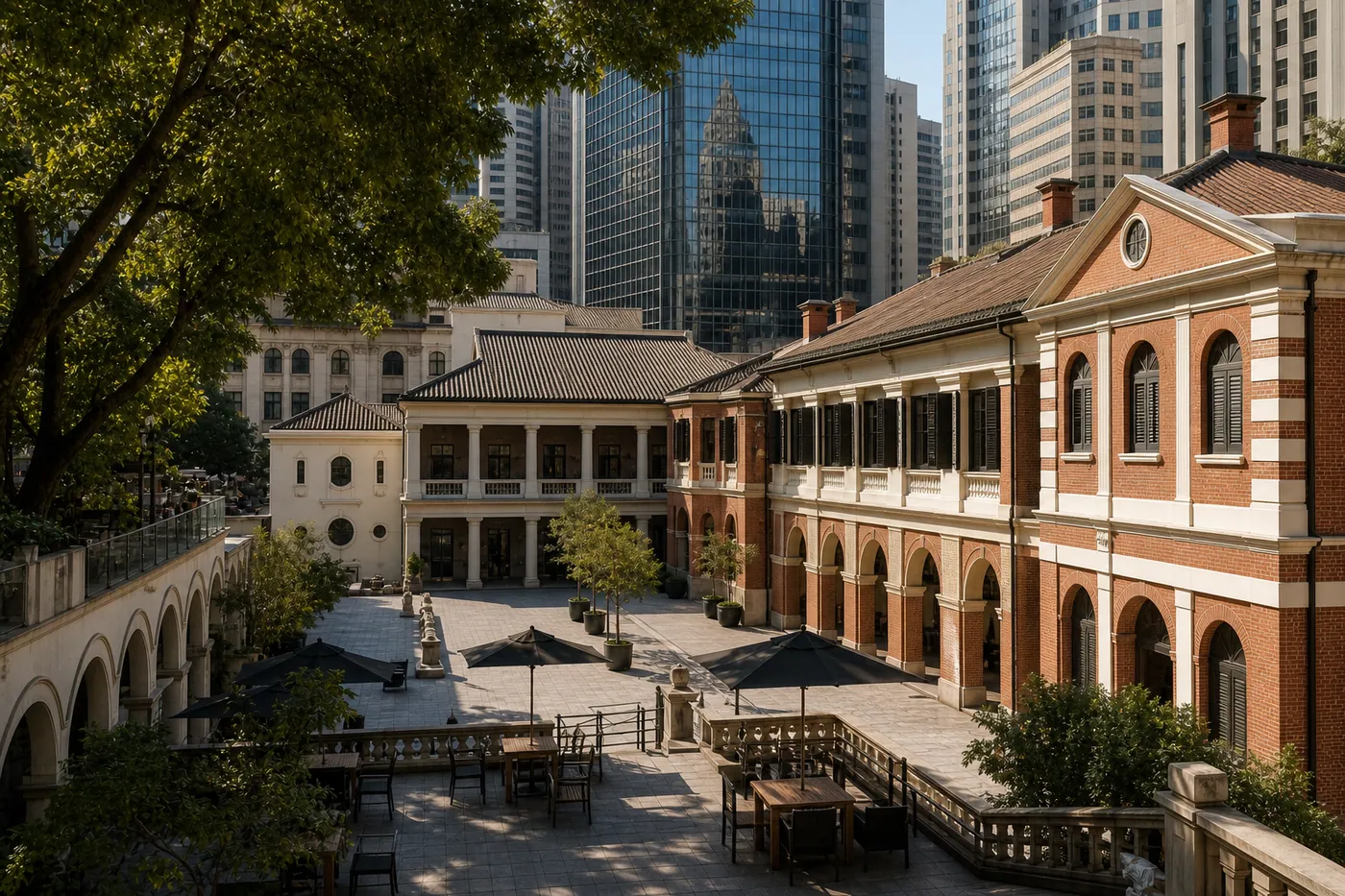
Tai Kwun represents one of Hong Kong's most ambitious heritage preservation projects, converting the former Central Police Station, Magistracy, and Victoria Prison into a massive public arts complex. The central courtyard is framed by colonial-era brickwork and modern, grid-like structures designed by Herzog & de Meuron. Solo travelers can wander freely through the old cells, interactive history exhibitions, and contemporary art galleries. The space seamlessly blends historical gravitas with modern creative energy, making it an engaging spot to spend an afternoon.
Tip: Download the free Tai Kwun mobile app before visiting to access self-guided audio tours that detail the prison's famous historical escapees.
Next move: Walk east along Hollywood Road from Sheung Wan, or take the Central-Mid-Levels Escalator directly to the footbridge entrance of the complex.
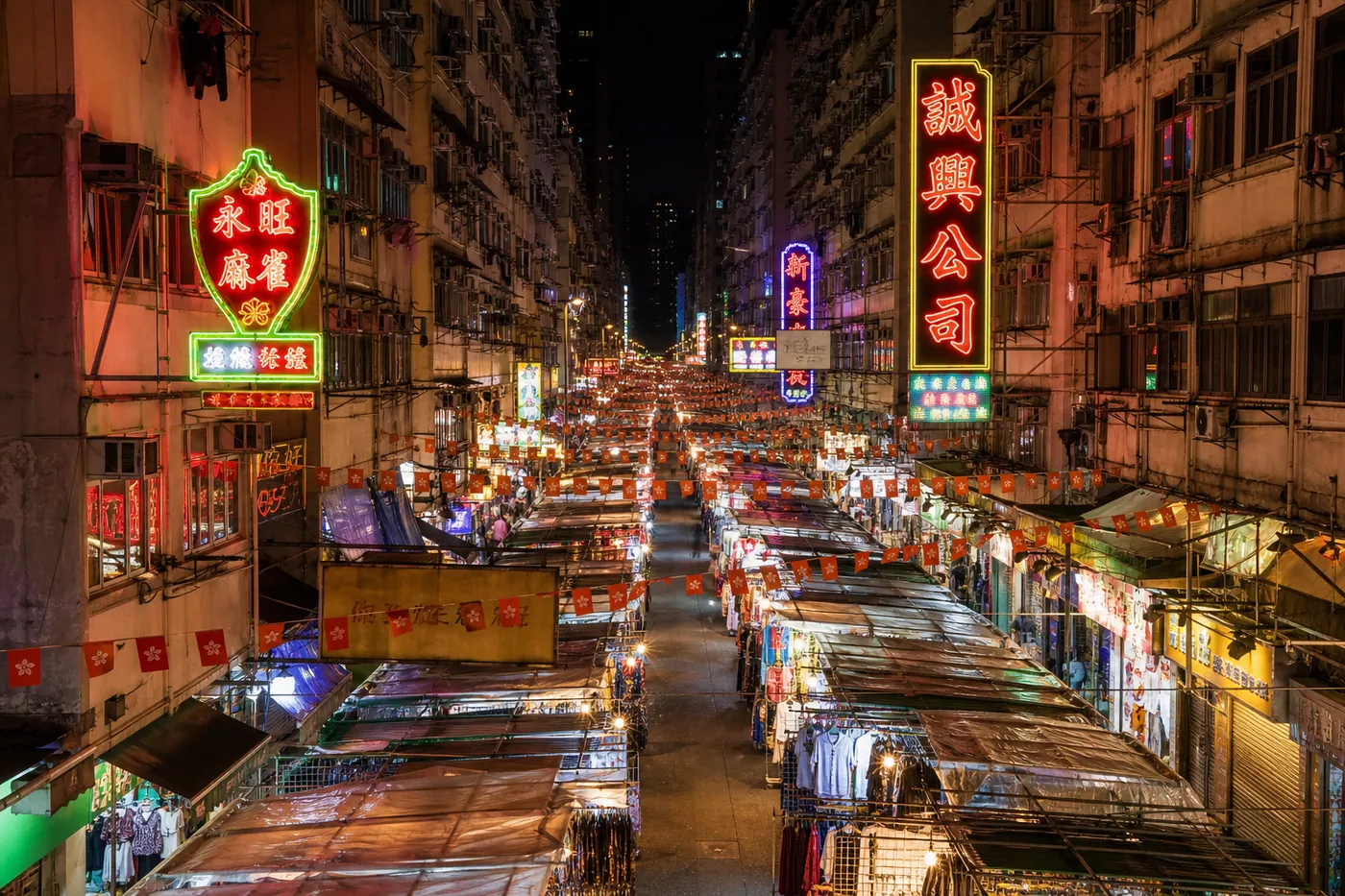
As night falls, Temple Street comes alive under a canopy of bright lights, offering a classic slice of Kowloon's evening energy. Stalls stretch for several blocks, loaded with souvenirs, tea sets, and electronics, while fortune tellers set up tables near the Tin Hau Temple. For a solo traveler, it is a fantastic place to dine casually at open-air street stalls (dai pai dongs) without the pressure of formal reservations. The constant movement and social atmosphere make it a sensory-rich environment to wind down your day.
Tip: Walk up to the public car park building on Kansu Street and head to the upper levels for a famous elevated view of the market's glowing red stalls.
Next move: Take the Tsuen Wan Line MTR to Jordan Station and take Exit A, then turn right onto Jordan Road and walk three blocks.
Purchase your Peak Tram ticket online beforehand to bypass the main ticket queue, and try to sit on the right side of the tram for the best views ascending the slope.
Use the Peak Tram to access the high vantage points, then take a double-decker bus down to Central. Transition to Wan Chai using the historic Ding Ding tram, and return to the waterfront on foot or via the Island Line MTR.
09:00Central and The Peak, Hong Kong
The Peak Tram
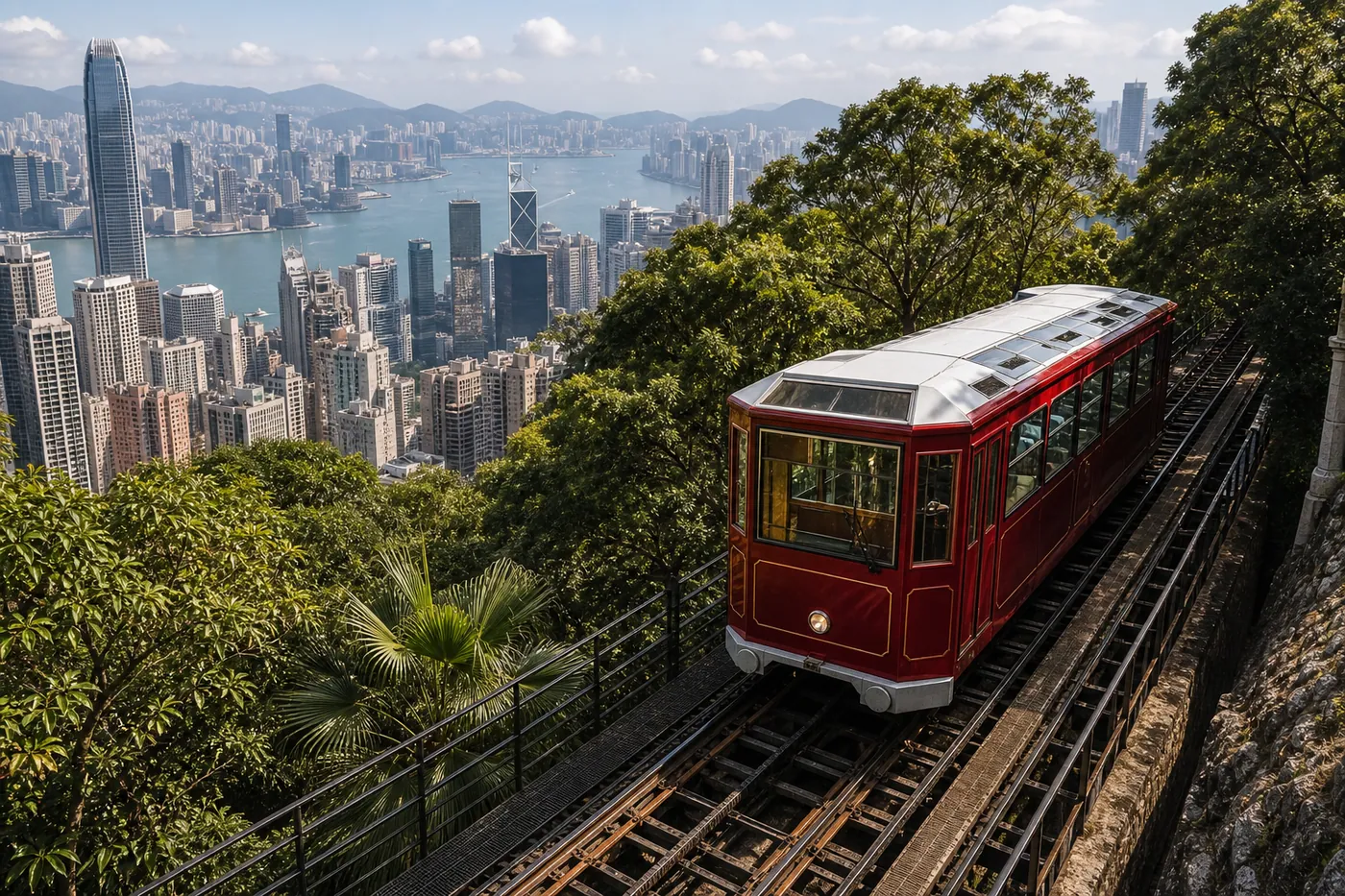
Operating since 1888, the Peak Tram is one of the world's oldest and most famous funicular railways, pulling passengers up a steep hillside path that rises 396 meters above sea level. The ride offers a surreal visual experience as the surrounding skyscrapers appear to tilt at impossible angles against the mountain slope. Once at the top, solo travelers can escape the commercial Peak Tower by heading directly to the Lugard Road lookout point. The leafy trail provides a dramatic, panoramic view of the harbor and Kowloon peninsula below.
Tip: Skip the expensive Sky Terrace 428 ticket and walk 15 minutes along the flat, paved Lugard Road for an even better, completely free viewpoint.
Next move: Walk from Central MTR Exit J2 through Charter Garden toward Garden Road, or take bus 15C from the Central Ferry Piers.
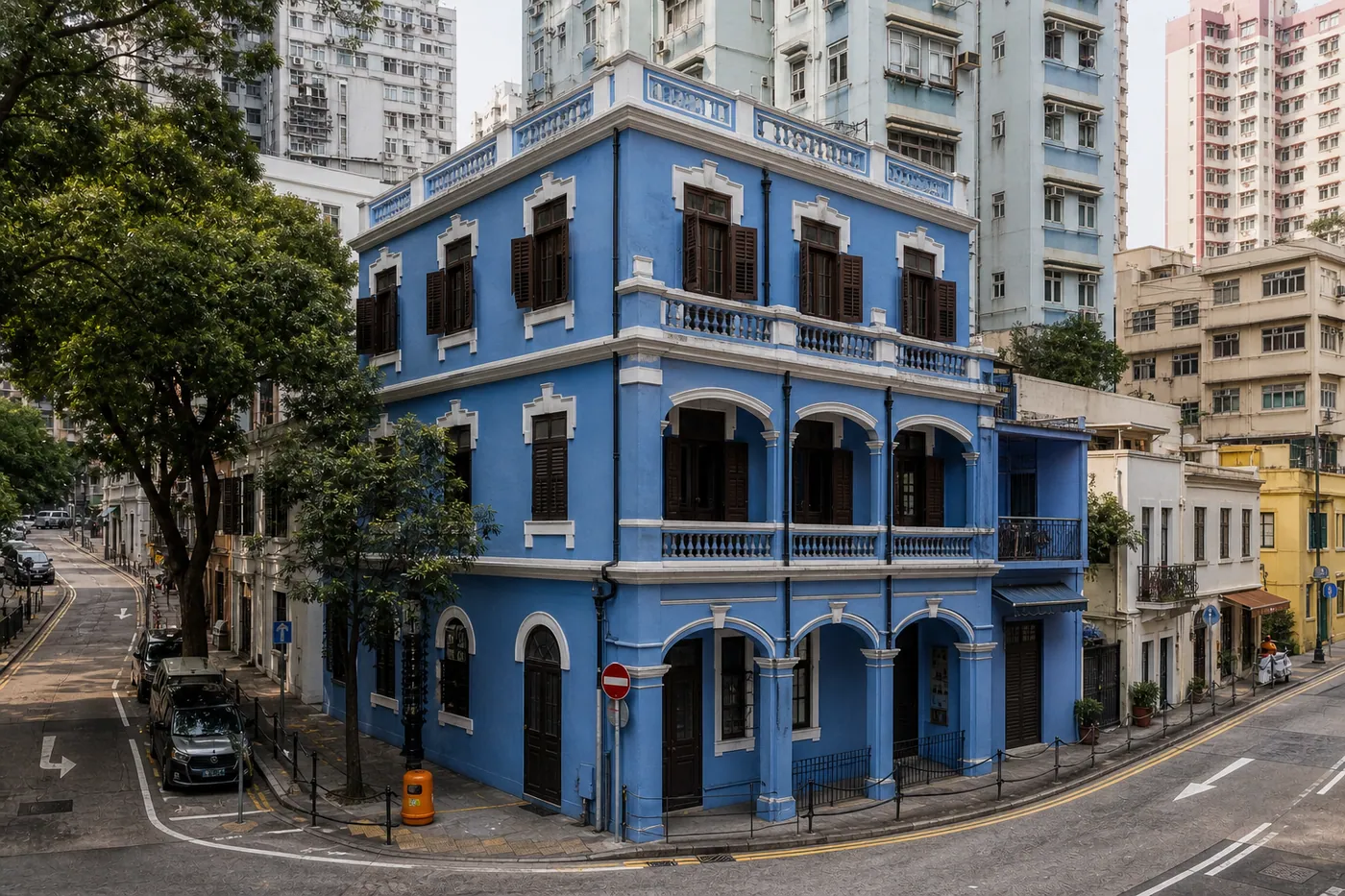
The Blue House is a four-story, brilliant blue tenement building (tong lau) that stands as a symbol of grassroots conservation in Wan Chai. Unlike many historic buildings that were cleared for high-rises, this structure was preserved with its original residents intact, showcasing the neighborhood's living heritage. It houses a small community museum and offers a fascinating look at mid-20th-century residential life. The surrounding streets are filled with traditional auto shops, modern design studios, and local cafes, making it a wonderful area to explore on foot.
Tip: Check the schedule at the House of Stories; they frequently host free, community-led walking tours of Wan Chai's historic backlanes.
Next move: Take the MTR Island Line to Wan Chai Station, take Exit A3, and walk south along Johnston Road to Stone Nullah Lane.
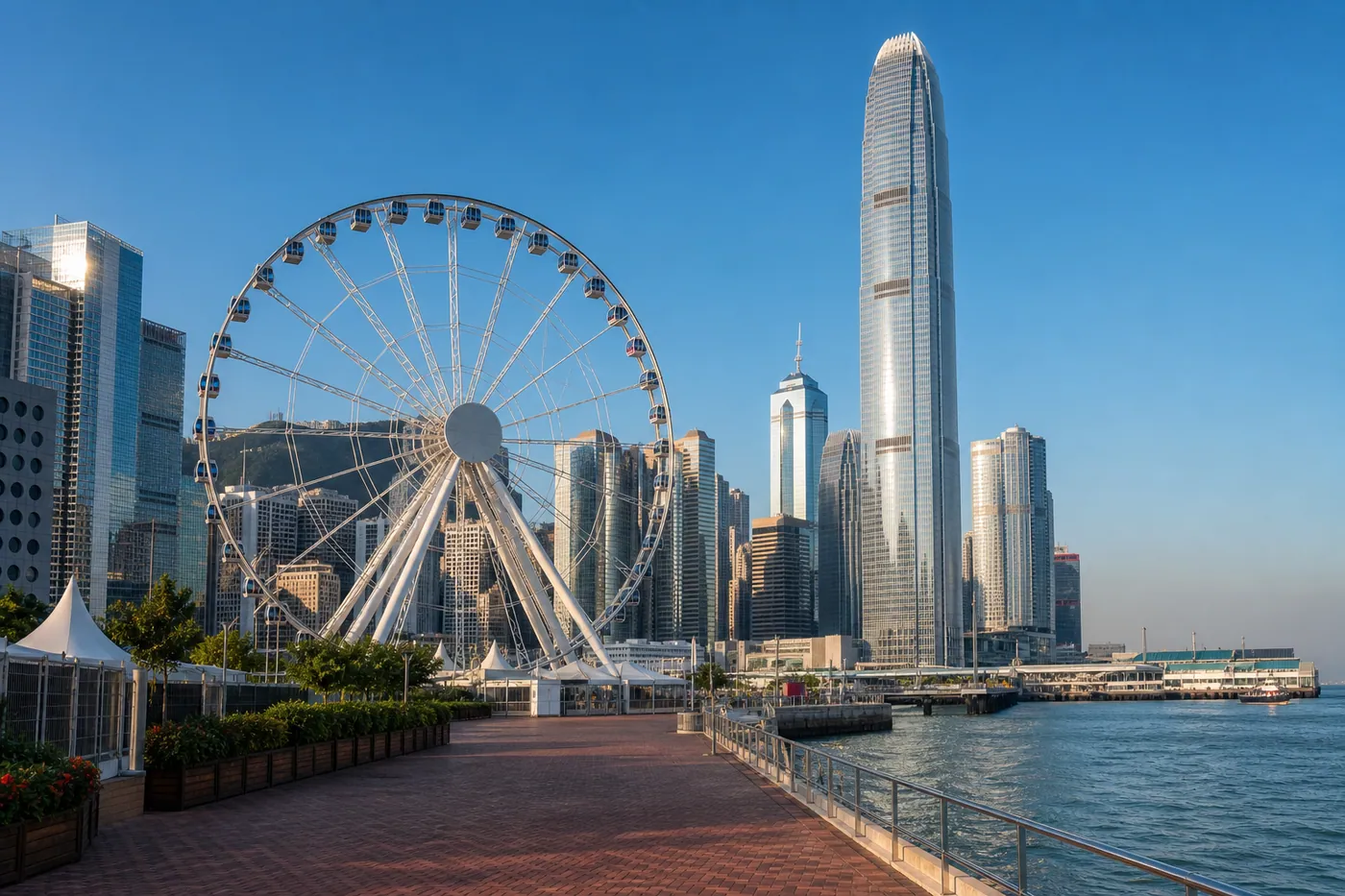
Located on the Central Harbourfront, the Hong Kong Observation Wheel provides a relaxing way to view the city lights from 60 meters in the air. The wheel features comfortable, air-conditioned cabins that make three full rotations, offering unobstructed views of both the Central skyline and the Kowloon waterfront. At night, the entire area is beautifully lit, creating a lively but relaxed atmosphere. It is a highly convenient stop for solo travelers, situated right next to the ferry piers and the waterfront promenade.
Tip: Grab a coffee or ice cream from the nearby kiosks and sit on the harbor-facing steps of the adjacent Pier 9 to enjoy the view before boarding the wheel.
Next move: Walk to Central Pier 9 from Central MTR Station Exit A, or take the Star Ferry directly to the adjacent pier.
Visit the Nan Lian Garden vegetarian restaurant hidden behind the waterfall for an exceptionally quiet lunch away from the heat.
Take the Kwun Tong Line MTR to Diamond Hill, then ride the Tsuen Wan Line south to Tsim Sha Tsui. Walk north through Kowloon Park, and use the MTR or walk along Nathan Road to reach Mong Kok for the evening.
09:00Diamond Hill, Hong Kong
Nan Lian Garden
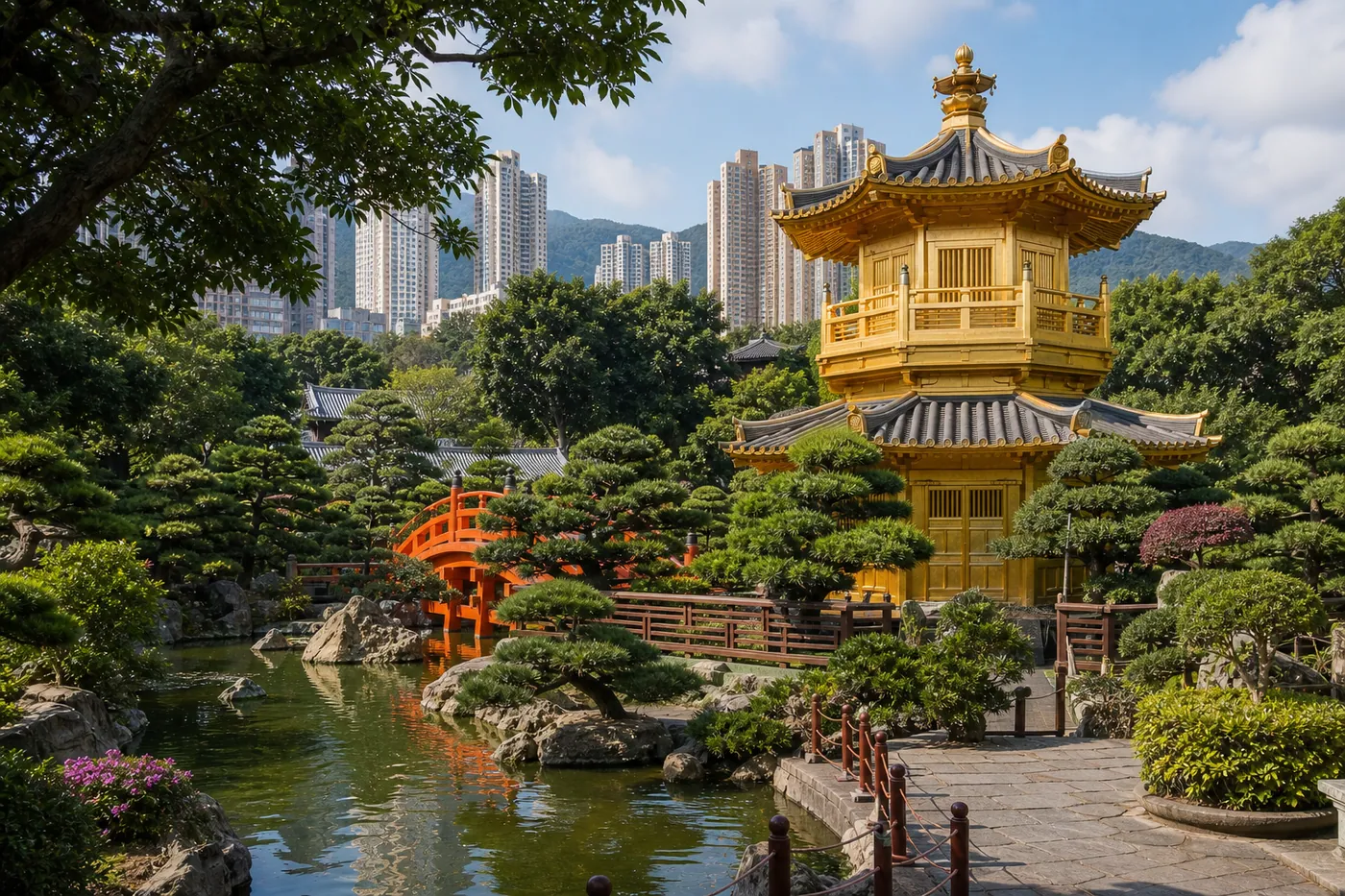
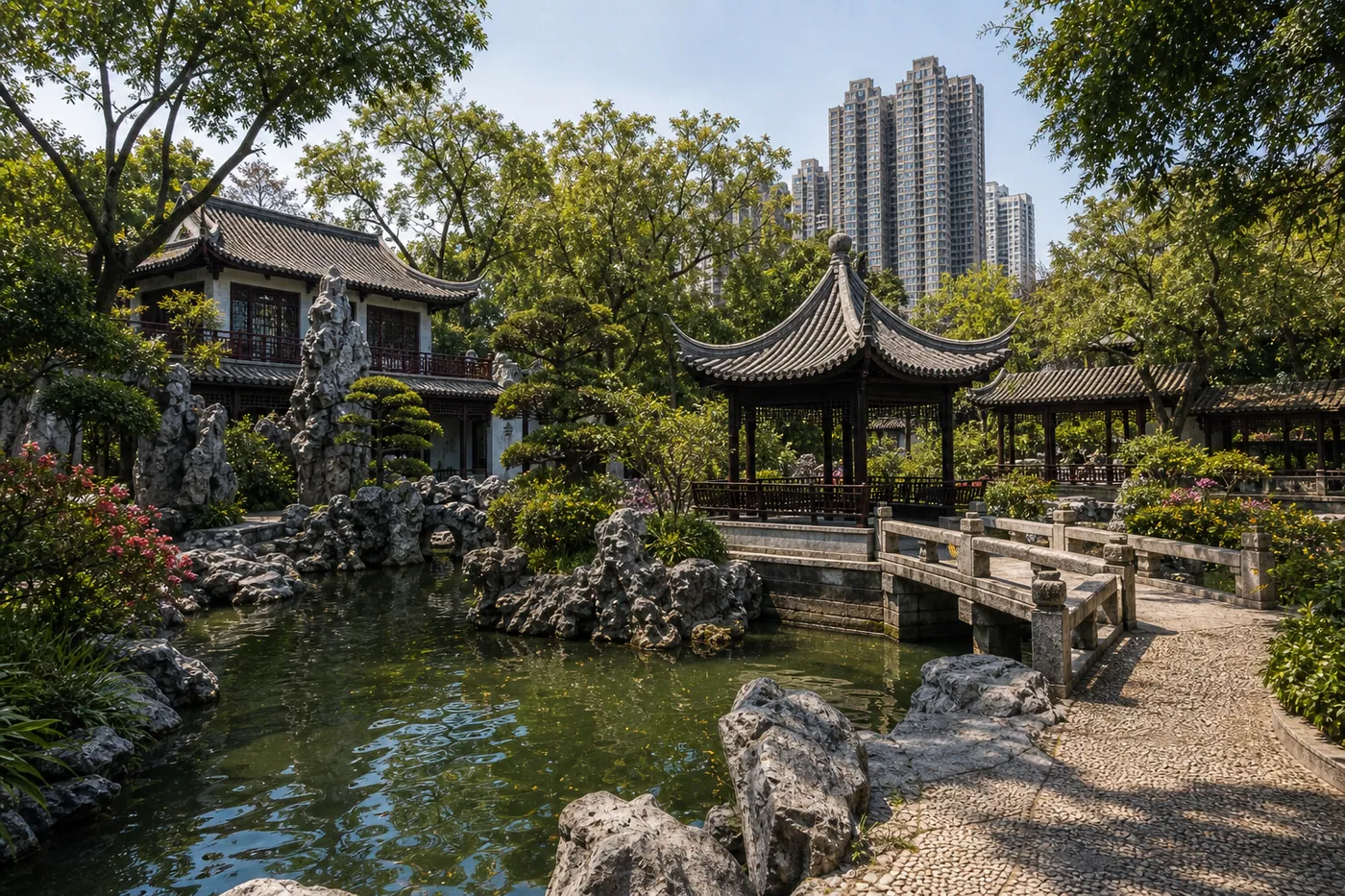
Nan Lian Garden is a meticulously designed classical garden in Diamond Hill, built in the style of the Tang Dynasty. Spanning 3.5 hectares, it features a central pond, manicured bonsai trees, ornamental rocks, and elegant wooden structures built without nails. The centerpiece is the golden Pavilion of Absolute Perfection, connected by two bright red bridges. For solo travelers, the strict one-way walking path ensures a quiet flow of movement, allowing you to absorb the landscape without crowded bottlenecks.
Tip: Cross the pedestrian bridge to the adjacent Chi Lin Nunnery, a stunning wooden temple complex that shares the same architectural style.
Next move: Take the MTR Kwun Tong Line or Tuen Ma Line to Diamond Hill Station, take Exit C2, and walk for five minutes.
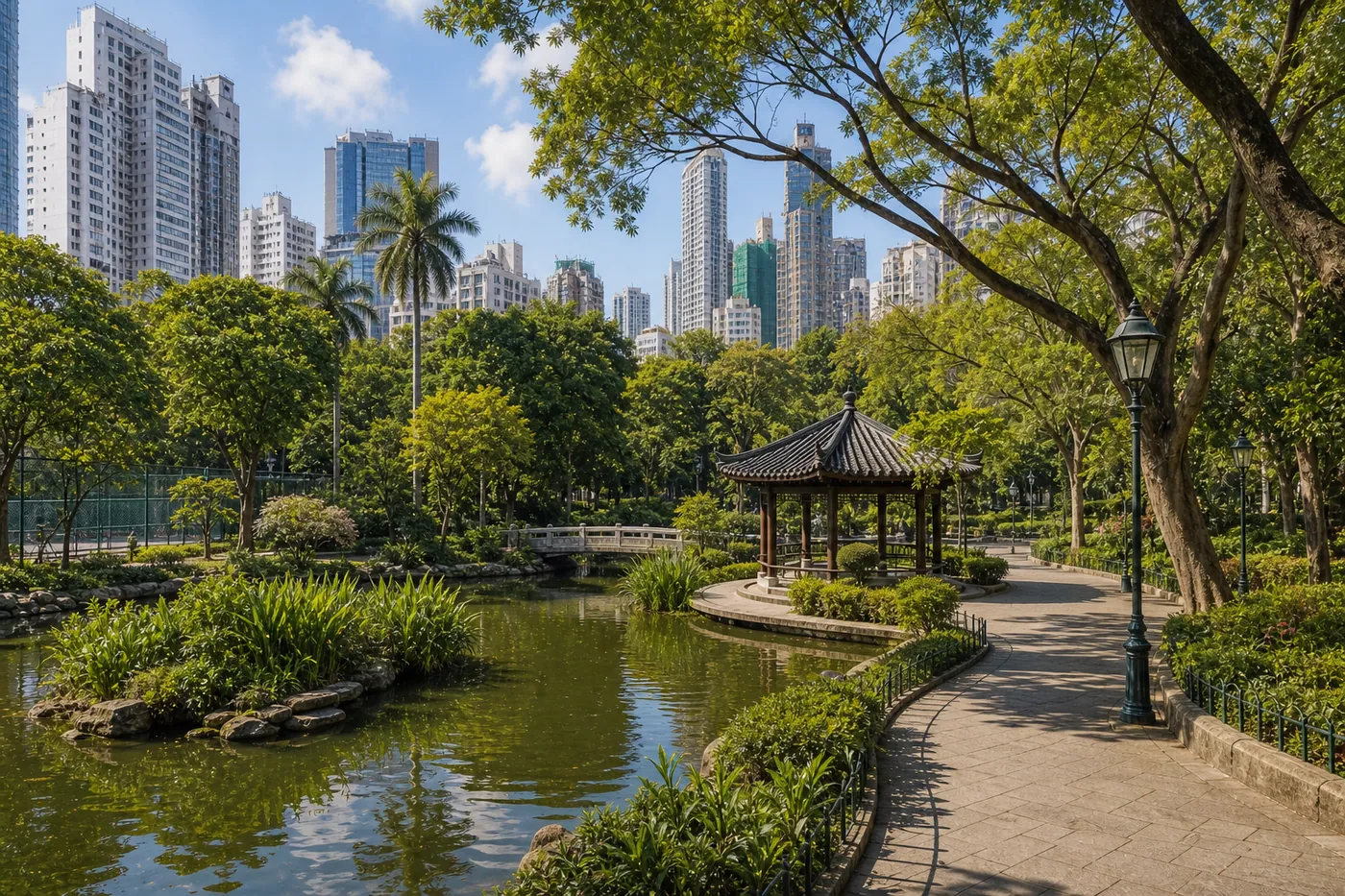
Kowloon Park is a sprawling green lung situated directly in the middle of Tsim Sha Tsui's high-traffic shopping district. Previously a British military barracks, the site was converted into a public park featuring tree-lined paths, a classical Chinese garden, and a flock of pink flamingos in the aviary pool. It serves as an essential decompression chamber for solo travelers navigating Nathan Road. The layout allows you to transition easily from the noise of the city into shaded pathways and quiet plazas.
Tip: Walk to the Aviary Pond around 2:00 PM to watch the flamingos being fed, or sit near the Chinese garden's lotus pond for maximum quiet.
Next move: Take the Tsuen Wan Line MTR to Tsim Sha Tsui Station, use Exit A1, and walk directly into the park entrance.
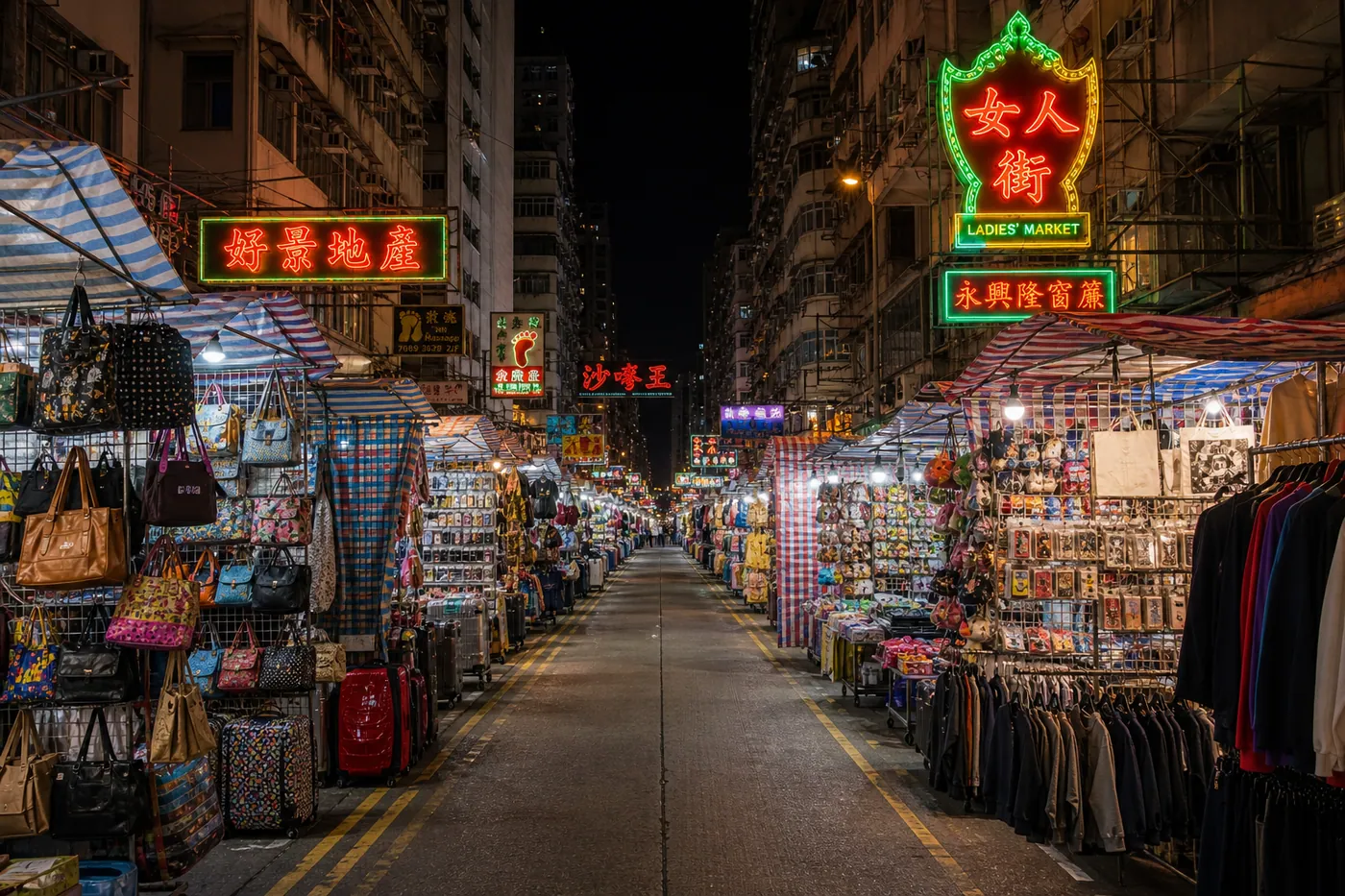
Ladies' Market on Tung Choi Street is one of Hong Kong's most famous and chaotic shopping destinations, stretching for over a kilometer. The street is packed with metal stalls selling bargain clothing, electronics, bags, and home accessories under bright canvas canopies. For solo travelers, the market provides an energetic slice of local street culture. Even if you aren't looking to buy, walking through the narrow aisles offers a fascinating glimpse into Mong Kok's high-density neighborhood life.
Tip: If the market aisle feels too crowded, simply step one street over to Sai Yeung Choi Street, which is wider and filled with electronics shops.
Next move: Take the Tsuen Wan Line or Kwun Tong Line MTR to Mong Kok Station, take Exit E2, and walk two blocks east.
Book your Palace Museum ticket online in advance, and start your visit on the top floor to work your way down against the flow of crowds.
Use the Tuen Ma Line MTR to Austin or Kowloon Station, then take a short walk or shuttle bus to the West Kowloon Cultural District. Walk along the waterfront promenade toward Tsim Sha Tsui, or use the MTR for a quicker transit.
09:00West Kowloon, Hong Kong
Hong Kong Palace Museum
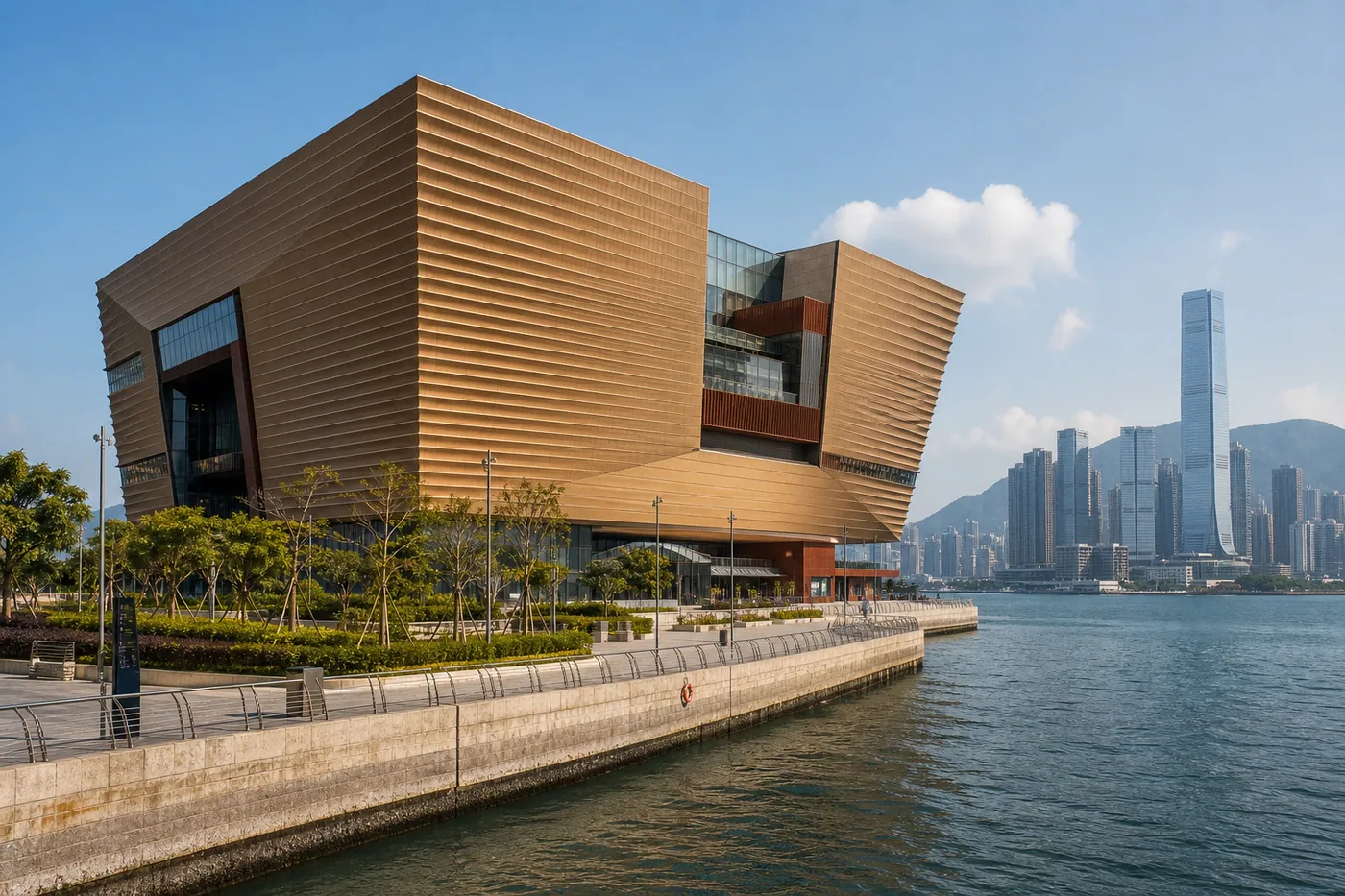
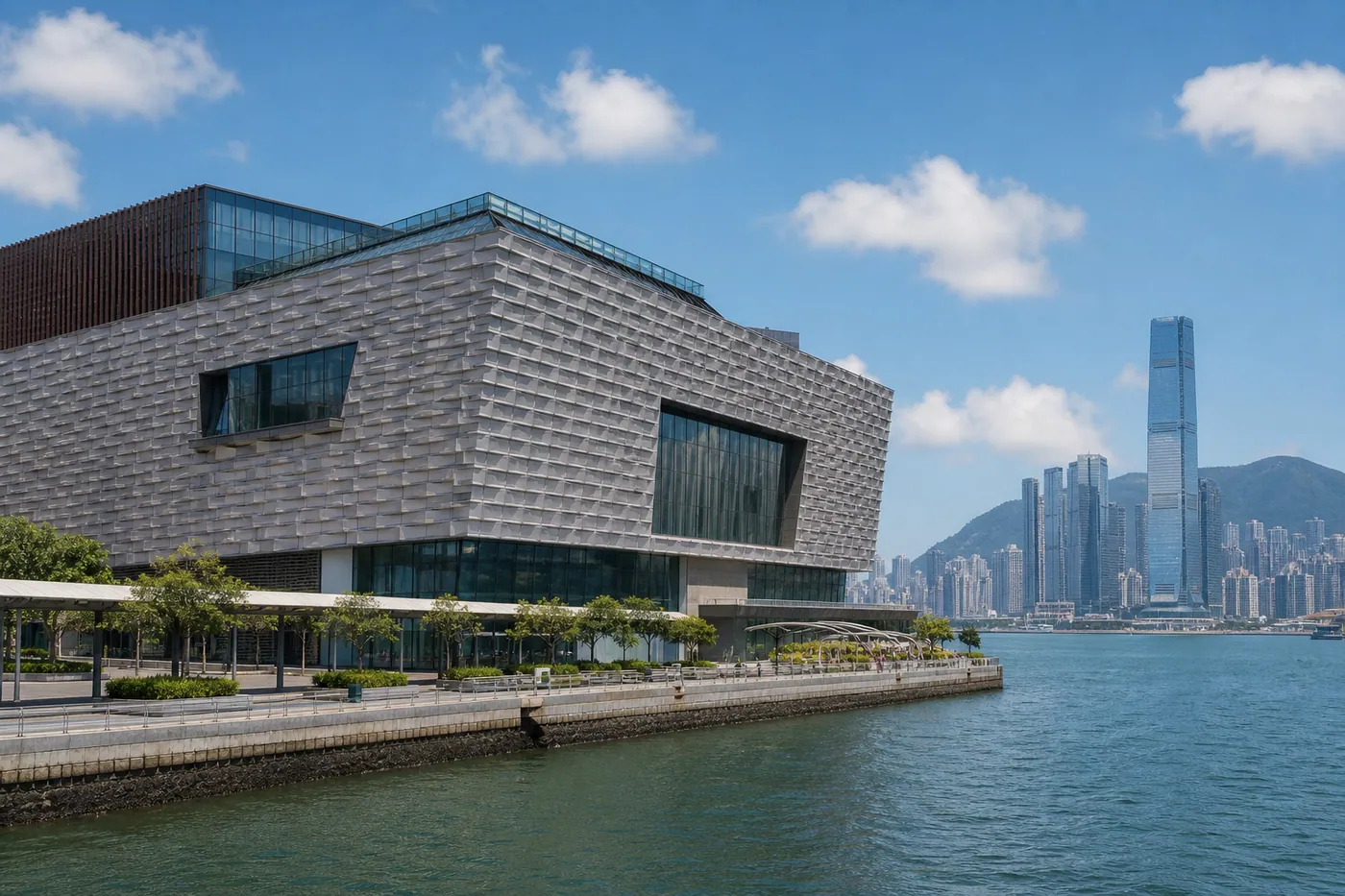
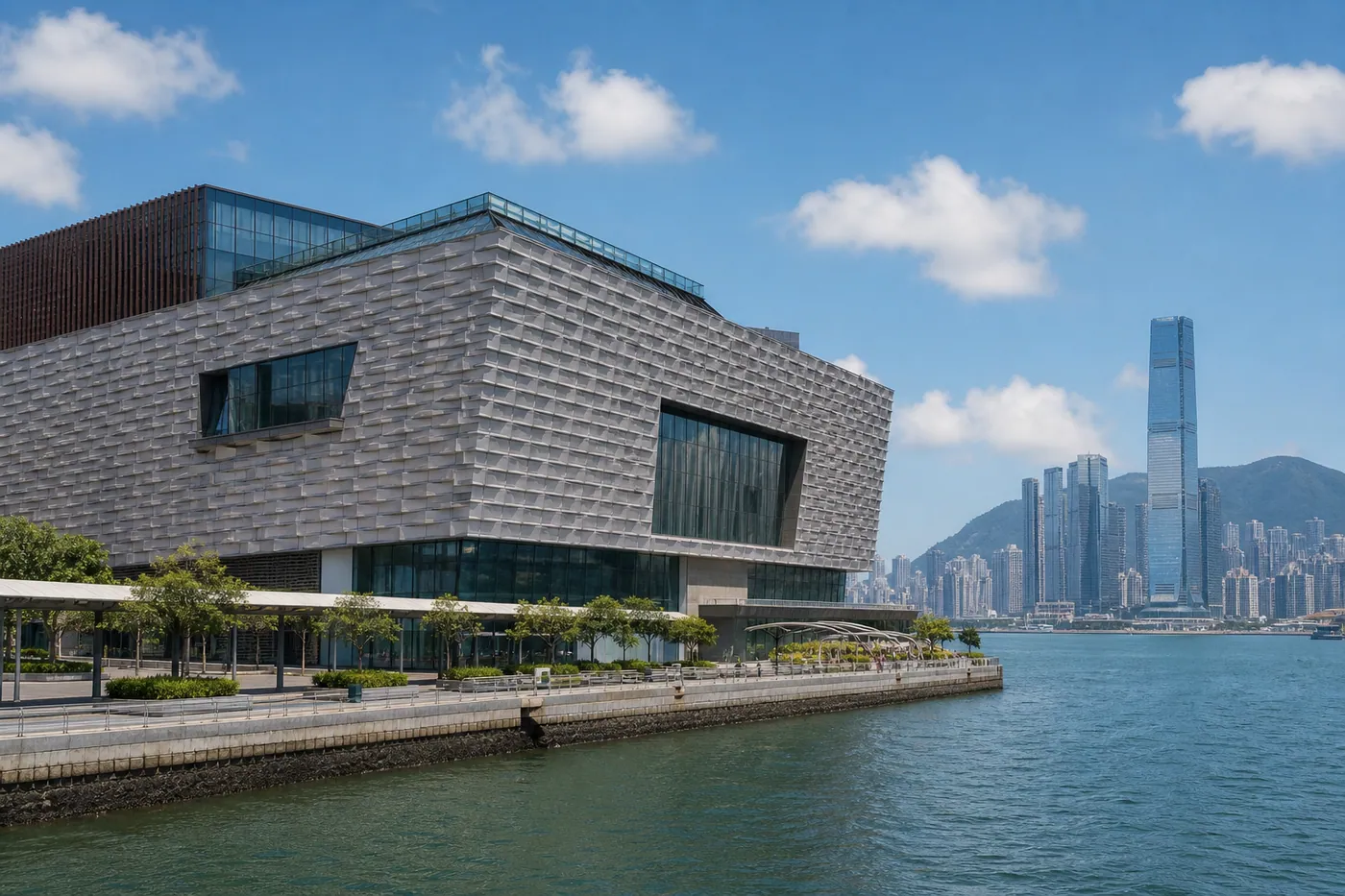
Situated at the western tip of the West Kowloon Cultural District, the Hong Kong Palace Museum is a modern architectural landmark designed to resemble a traditional bronze vessel. It houses over 900 priceless treasures on loan from Beijing's Palace Museum, including ancient paintings, calligraphy, ceramics, and imperial jade. The galleries are spacious and beautifully lit, offering a peaceful environment for solo visitors to appreciate the art. The building also features large viewing windows that look out over the shipping lanes of the harbor.
Tip: Visit Gallery 4 on the second floor for its exceptional collection of imperial portraits, and take a moment to admire the view from the outdoor terrace.
Next move: Take the MTR to Kowloon Station, then walk through the Elements mall and follow the green pedestrian bridge to the Art Park.
The Hong Kong Museum of Art (HKMoA) sits right on the edge of the Tsim Sha Tsui waterfront, boasting a sleek glass facade that reflects the harbor. Established in 1962, the museum houses a vast collection of Chinese antiquities, historical paintings of old Hong Kong, and works by contemporary local artists. The open-plan galleries are designed to connect the art with the surrounding landscape, offering panoramic views of the water as you move between rooms. It is a highly accessible and inspiring space for independent exploration.
Tip: Visit the Wu Guanzhong Art Gallery on the upper floors to see one of the world's most complete collections of modern Chinese ink paintings.
Next move: Walk along the waterfront from Austin MTR, or take the Tsuen Wan Line MTR to Tsim Sha Tsui Station Exit L6.
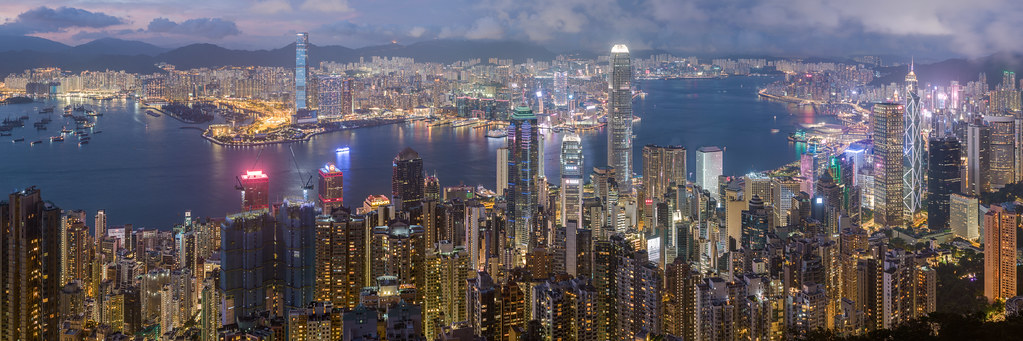
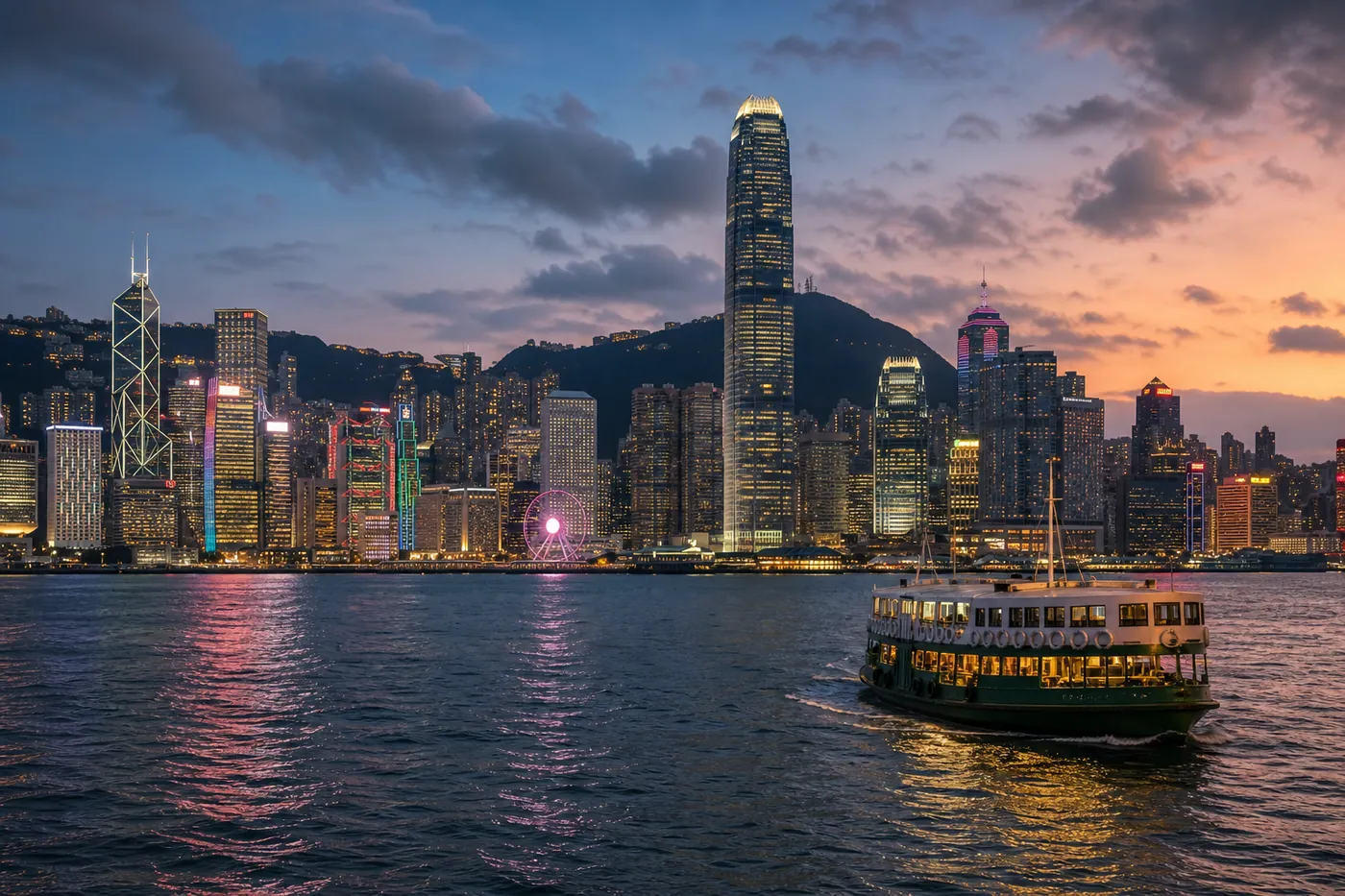
Victoria Harbour is the historic heart of Hong Kong, and walking along the Tsim Sha Tsui promenade offers the city's most famous view. As night falls, the skyscrapers of Central light up in a coordinated display of neon and lasers, reflecting beautifully across the deep water. Solo travelers can stroll along the wide, paved paths of the Avenue of Stars, enjoying the cool harbor breeze. The constant movement of ferries and cargo ships provides a dynamic backdrop for a memorable evening walk.
Tip: Board the Star Ferry to Central just before 8:00 PM to experience the Symphony of Lights directly from the water for a fraction of the cost of a cruise.
Next move: Walk directly from the adjacent Museum of Art, or take the MTR to East Tsim Sha Tsui Station Exit J.
Start your uphill journey via the public escalators to save your energy for the harborfront walk.
Follow the hillside stairs down to the tram lines, then take the flat coastal promenade eastward to reach the shipping piers.
09:007 Castle Road, Mid-Levels, Central, Hong Kong
Dr Sun Yat-sen Museum
Tucked into the historic Mid-Levels, the museum is housed in Kom Tong Hall, a grand Edwardian estate completed in 1916. The classical stained-glass windows, rich teak staircases, and ornate balconies showcase the lifestyle of Hong Kong's early twentieth-century elite. For independent travelers, it provides a quiet escape from the modern high-rises just down the hill.
Tip: Look closely at the glazed wall tiles and leaded glass panels on the second floor, which were imported directly from Europe over a century ago.
Next move: Walk up from Central via the Mid-Levels Escalator, exit at Caine Road, and walk west.
13:0016 Eastern Street North, Sai Ying Pun, Hong Kong
Sun Yat Sen Memorial Park
Positioned right on the Sai Ying Pun waterfront, this harborfront park features a wide circular lawn centered around a statue of the famous historical figure. It is a favored spot for local residents practicing tai chi or watching the container ships cross the shipping lanes. The open view of the water provides a refreshing contrast to the narrow alleys of the Western District.
Tip: The wooden benches near the western edge of the promenade offer the clearest views of the ships exiting the harbor toward the South China Sea.
Next move: Descend the hills of Sai Ying Pun toward the waterfront or take the tram to Eastern Street.
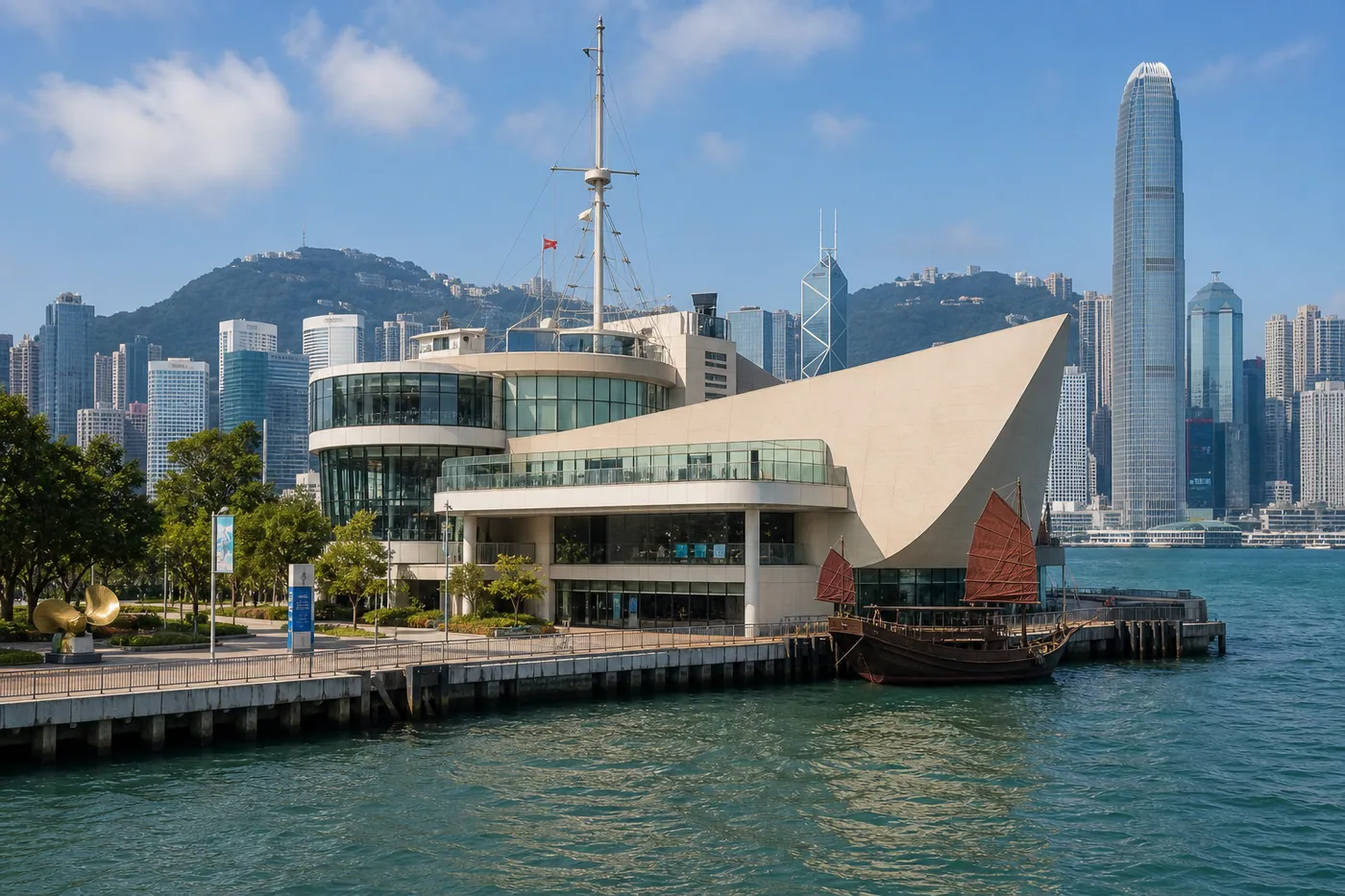
Located right at Central Pier 8, this museum guides visitors through centuries of seafaring history, from pirate battles to modern container ports. The galleries feature ship models, ancient ceramics, and navigational tools that tell the story of the Pearl River Delta. The large windows look directly out over the water, showing the ferry traffic in real time.
Tip: The museum cafe on the top level has outdoor seating that looks directly across to Kowloon, making it a quiet spot for an afternoon tea.
Next move: Stroll along the Central Harbourfront Promenade from the west directly to the piers.
Keep your Octopus card handy for the MTR East Rail Line, which offers a direct and scenic ride north.
Use the East Rail Line to reach Tai Po, walk along the local river paths, and return via the rail network to Kowloon City.
09:00Tai Po
Hong Kong Railway Museum
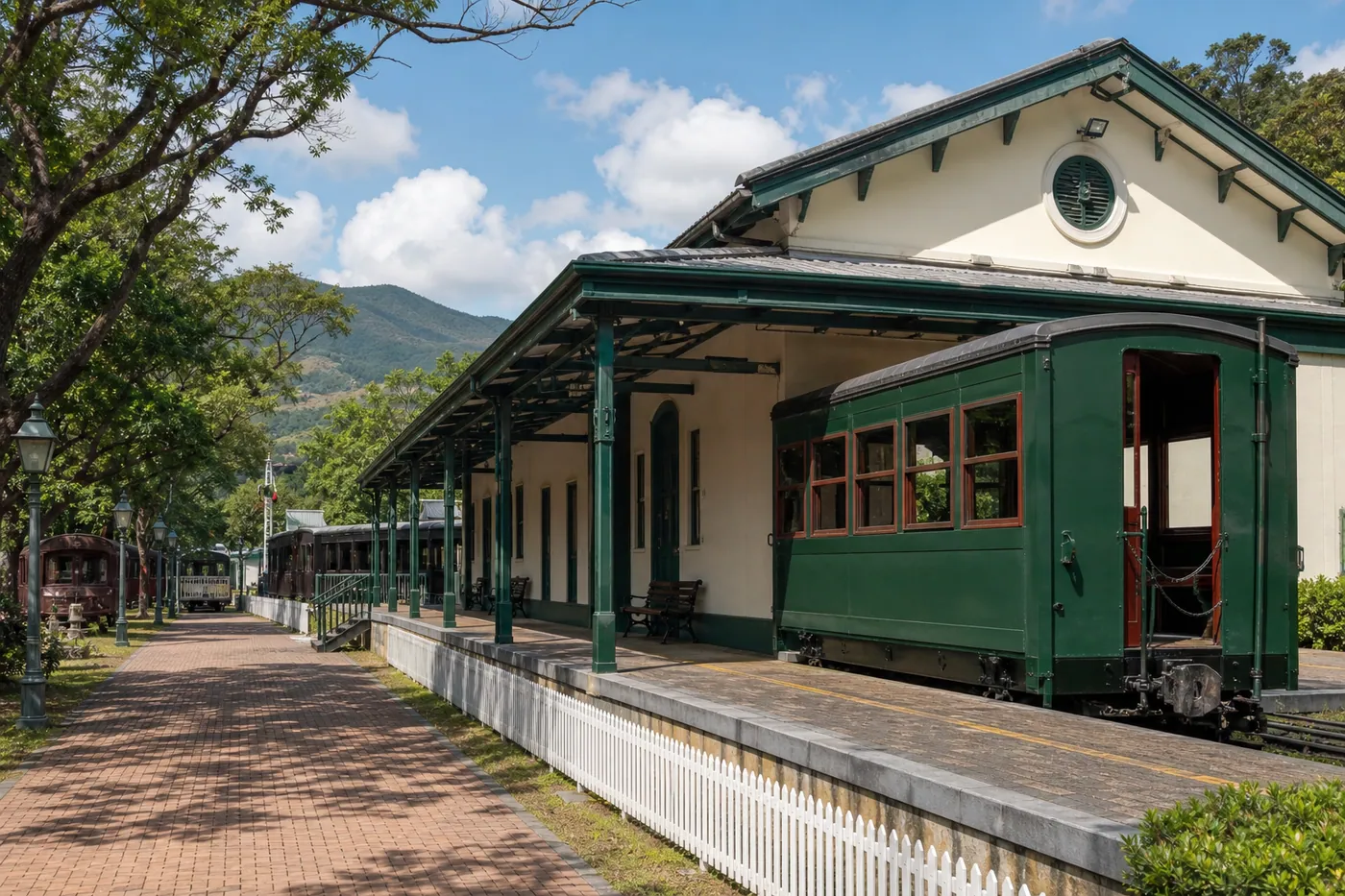
Occupying the site of the old Tai Po Market railway station built in 1913, this open-air museum preserves the region's early travel heritage. You can walk along the old tracks, step inside historic passenger carriages, and admire the traditional Chinese roof of the station house. It offers a nostalgic look at the days when steam trains connected local villages.
Tip: Step inside the oldest coach on display to see the original wooden slatted seats and mechanical fans used before air conditioning.
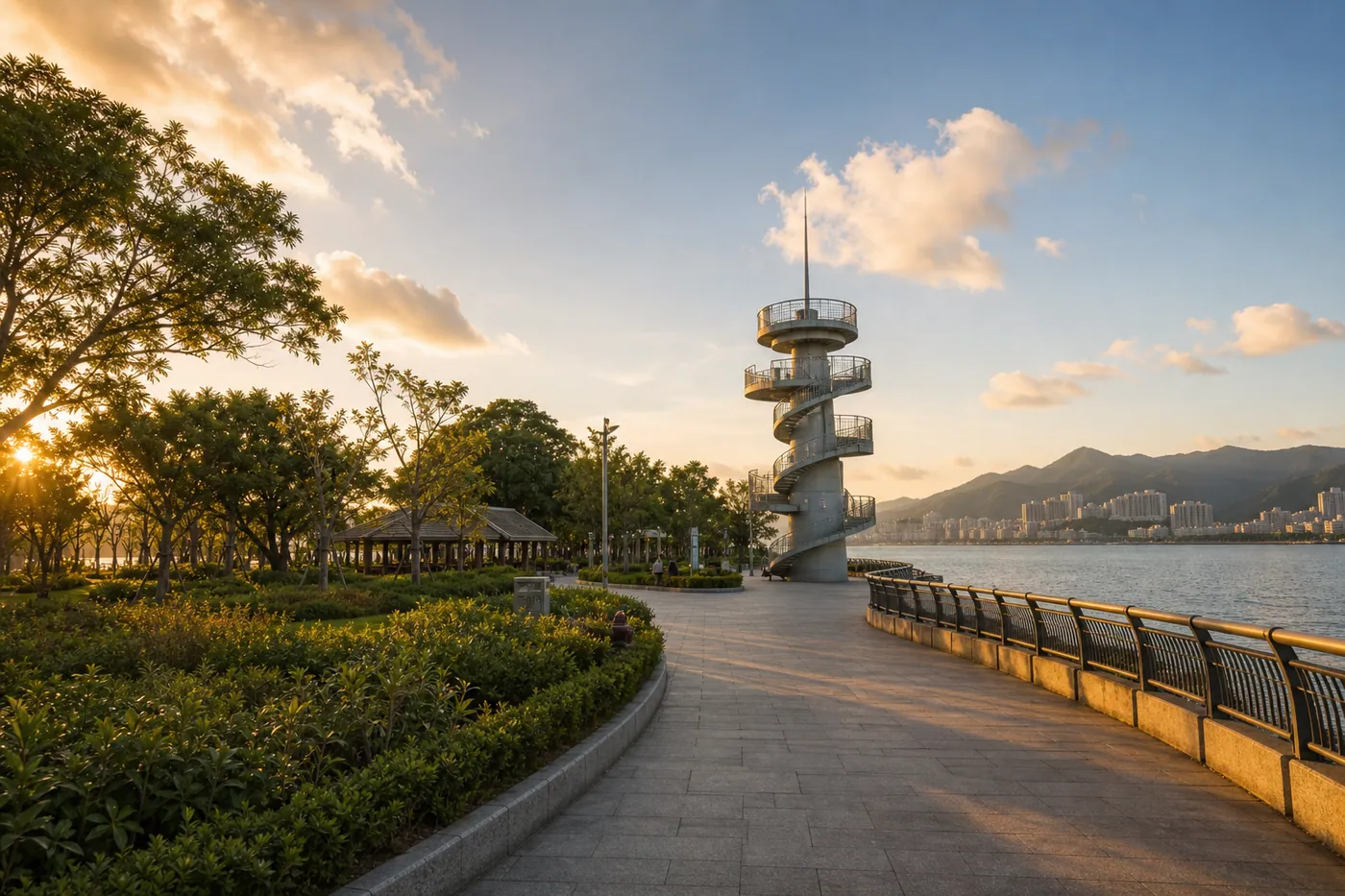
This expansive park stretches along the shores of Tolo Harbour, offering wide lawns, flower gardens, and walking paths. The main feature is the tall spiral tower, which climbs above the shoreline to offer views of the harbor and the distant mountains. It is a popular spot for flying kites and watching local cycling clubs.
Tip: The lookout tower has an ascending ramp that is gentler than stairs, making it easy to climb while taking photos of the coastline.
Designed as a classical Jiangnan garden, this park sits on the ground once occupied by the legendary Walled City. The park features quiet ponds, traditional pavilions, and displays that detail the history of the old fort and the dense neighborhood that replaced it. It is a place of deep historical contrast and quiet beauty.
Tip: The bronze model near the Almshouse shows the incredible density of the enclave at its peak, helping you visualize what stood here.
Kowloon Modernity to Island Oasis: A Harbor Crossing Discovery
7 hr plan
A simple ride on the local ferry is the most relaxing way to cross the harbor away from the crowds.
Walk from the Kai Tak development to the ferry pier, sail across to the island, and use the tramway to head west.
09:00Kai Tak Development Area, Kowloon, Hong Kong
Kai Tak Sports Park
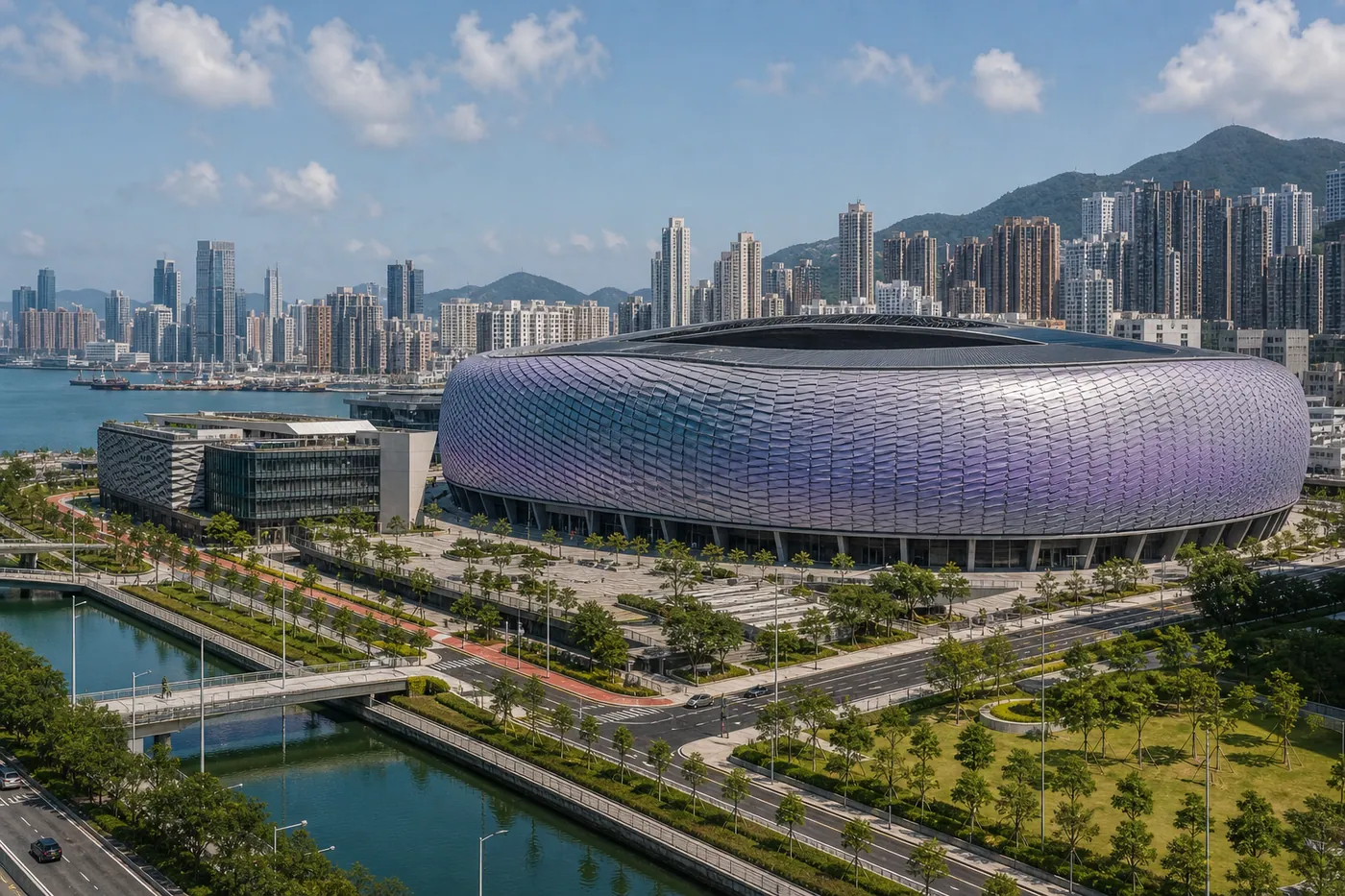
Built on the site of the former airport, this new precinct represents the city's latest step in urban design. The development features modern arenas and outdoor plazas that look out over the eastern harbor. Walking through the open spaces, you can appreciate the scale of this project and the views of the developing waterfront.
Tip: The elevated walkway near the main plaza offers a view down the line of the old runway, showing the harbor's layout.
Next move: Easily accessible via a short walk from Kai Tak MTR Station on the Tuen Ma Line.
This public park on the Fortress Hill shoreline is known for its open breakwater that extends into Victoria Harbour. The space is designed with colorful installations and seating areas, making it a great place to watch the boat traffic. It offers a raw, industrial aesthetic that contrasts with the city's older parks.
Tip: Walk out to the very end of the breakwater to feel the full force of the harbor breeze and capture a wide shot of the skyline.
Next move: Take the scenic local ferry from Kowloon City Ferry Pier to North Point Ferry Pier, followed by a short walk westward along the waterfront.
18:001 Hing Fat Street, Causeway Bay, Hong Kong Island
Victoria Park
Located between Causeway Bay and Tin Hau, this park is a green oasis in the middle of a busy commercial district. The park features sports courts, tree-lined paths, and a large model boat pool where hobbyists gather. It is a great place to watch local life, from morning tai chi to evening jogging.
Tip: Visit the model boat pool in the late afternoon to watch the remote-controlled sailboats glide across the water.
Next move: A short walk from the East Coast Park Precinct or a brief ride on the historic double-decker ding-ding tram.
The waterfront promenade is flat and easy to walk, making it perfect for a relaxed stroll at your own pace.
Use the Tsuen Wan MTR line to reach Tsim Sha Tsui, and walk along the shoreline paths to the east.
09:00Tsim Sha Tsui, Kowloon, Hong Kong
Former Kowloon-Canton Railway Clock Tower
This red-brick and granite tower is all that remains of the original Kowloon station of the historic railway. Built in 1915, it stands as a monument to the age of steam travel on the edge of Victoria Harbour. It is a popular landmark that marks the start of the waterfront promenade.
Tip: The small plaza around the tower has palm trees that provide frame lines for photos of the Hong Kong Island skyline.
Next move: Use the clearest MTR, ferry, bus, walking, or taxi connection toward Tsim Sha Tsui Station.
Located inside Kowloon Park, this center occupies two restored blocks of the former Whitfield Barracks. The museum features exhibitions on the territory's archaeological history and the conservation of its historic buildings. The white colonial architecture contrasts with the modern trees of the park.
Tip: The courtyard between the two historic buildings has a covered walkway that is very quiet, making it a peaceful spot to read.
Next move: Use the clearest MTR, ferry, bus, walking, or taxi connection toward Tsim Sha Tsui Station.
This elevated garden in Tsim Sha Tsui East showcases the city's film history with sculptures and memorabilia. You can see handprints of famous actors, movie-themed art, and a statue of the martial arts legend Bruce Lee. The garden offers a quiet viewpoint over the harbor away from the main walk.
Tip: Look for the copper sculptures showing a film director and cameraman to see how films were made in the golden era.
Next move: Use the clearest MTR, ferry, bus, walking, or taxi connection toward East Tsim Sha Tsui Station.
Carry cash for the green taxis and the small bakeries in the fishing villages, as cards are not always accepted.
Use a minibus to reach Sai Kung, hire a taxi to the reservoir dam, and return to Kowloon via the MTR network.
09:00Sai Kung Town, New Territories, Hong Kong
Sai Kung Public Pier
This pier is the gateway to the volcanic islands and beaches of the Sai Kung district. The waterfront is known for its seafood restaurants and the fishermen who sell their catch from boats moored below the seawall. It is a lively place to start your morning and watch the boat traffic.
Tip: Walk down to the lower steps of the pier to see the variety of fish and shellfish being sold directly from the wooden boats.
Next move: Use the clearest bus, green minibus, or taxi connection toward Sai Kung Town Bus Terminus.
13:00Sai Kung Peninsula, New Territories, Hong Kong
Sai Kung East Country Park
This large park covers the eastern peninsula, featuring volcanic rock columns, reservoir views, and hiking trails. The main destination is the High Island Reservoir East Dam, where you can walk along the path to inspect the hexagonal rock formations. It is a scenic area that showcases the region's geological history.
Tip: Walk along the wood-plank path near the sea cave at the base of the dam to see the rock columns up close.
Next move: Use the clearest bus, taxi, or green minibus connection toward High Island Reservoir East Dam.
This historic village in Kowloon is known for its stilt houses, seafood restaurants, and harbor views. You can walk through the narrow pedestrian lanes lined with seafood tanks, observing a style of community life that has disappeared from most of the city. The walk ends at a tiny lighthouse at the edge of the harbor.
Tip: Walk past the busy restaurants to the rocky shore near the lighthouse for a clear shot of the sunset over the harbor.
Next move: Use the clearest MTR, walking, or bus connection toward Yau Tong Station.
Southern District Reservoir Forests and Coastal Bays
7 hr plan
Keep some coins handy for the quick sampan ride between Ap Lei Chau and Aberdeen, as this local boat crossing does not accept credit cards.
Buses from Central connect you directly to the reservoir trail at Pok Fu Lam, followed by a local ride down to the coastal park at Wah Fu and a short MTR hop to the Ap Lei Chau waterfront.
09:00Pok Fu Lam, Hong Kong Island, Hong Kong
Pok Fu Lam Country Park
Walking along the shaded paths of Pok Fu Lam Country Park feels like stepping into another world, far removed from the city's concrete canyons. The trail hugs the historic reservoir, which was constructed in the nineteenth century to provide fresh water to the growing colony. Lush green canopies of banyan and camphor trees shade the path, keeping the air cool even on warm mornings. As you wander past old stone guard houses and clear streams, you'll get glimpses of the South China Sea through the trees. It is a wonderfully peaceful start to the day, offering a gentle hike that requires no complex route-finding skills.
Tip: Stop by the historic gatekeeper's cottage near the reservoir entrance, which dates back to 1863 and offers a fascinating look at Victorian colonial architecture.
Next move: Use the clearest bus, minibus, or taxi connection toward Pok Fu Lam Reservoir Road.
13:00Wah Fu Estate, Southern District, Hong Kong Island, Hong Kong
Waterfall Bay Park
Hidden behind the towering residential towers of Wah Fu Estate, Waterfall Bay Park offers a dramatic meeting of nature and urban life. A natural cascade drops over a rocky cliff directly into the ocean, a sight that once drew pirate ships and European merchants seeking fresh spring water. The coastal promenade here offers wide-open views across East Lamma Channel, where container ships slide across the horizon. Walking along the shoreline, you can feel the sea breeze and listen to the constant rush of water against the rocks.
Tip: Look for the coastal alcove near the waterfall to see a colorful collection of abandoned deity statues left by locals over the decades.
Next move: Use the clearest bus, walking, or taxi connection toward Wah Fu Estate.
Ap Lei Chau offers a direct encounter with Hong Kong's living maritime history. The covered market building is filled with tanks of live fish, crabs, and shellfish, showcasing the daily catch from local waters. Outside, a pleasant waterfront park runs along the narrow channel where fishing boats and luxury yachts share the harbor. It is a fantastic neighborhood to explore on foot, allowing you to experience a traditional fishing community that has retained its authentic charm.
Tip: Visit the ancient Hung Shing Temple next to the harbor, which was built in 1773 by local fishermen to pray for safety at sea.
Next move: Use the clearest MTR, bus, or walking connection toward Lei Tung Station.
Bring plenty of cash when visiting the cooked-food markets, as vendors rarely accept cards or digital wallets for smaller bills.
The East Rail MTR line forms the backbone of this day, connecting the hiking paths in Tai Po with the markets of Sha Tin via quick, direct train rides.
09:00Lam Tsuen, Tai Po, New Territories, Hong Kong
Lam Tsuen Country Park
Rising high above the valleys of Tai Po, Lam Tsuen Country Park offers a rugged wilderness experience. The park is dominated by the twin peaks of Tai To Yan and Kai Kung Leng, which feature grassy ridges and steep volcanic rock formations. Walking along the trails, you will find yourself surrounded by dense forests and silent mountain streams. The sweeping views from the ridges extend all the way to the Shenzhen skyline on clear days, offering a striking contrast between raw nature and urban density.
Tip: Wear a wide-brimmed hat and bring extra water, as the high ridges of Tai To Yan have very little tree cover to protect you from the sun.
Next move: Use the clearest bus, taxi, or walking connection toward Lam Tsuen Valley.
Stepping into the Tai Po Market cooked-food centre is an adventure for the senses. Dozens of food stalls operate side-by-side, serving up steaming plates of dim sum, roast meats, and noodle dishes in a lively, fast-paced environment. Solo travelers can easily find a seat at one of the shared tables and watch the local lunch rush unfold. The aroma of boiling stocks, roasted duck, and fresh tea fills the air, creating a truly classic local dining atmosphere.
Tip: Seek out the famous sweet tofu pudding stall, where you can get a warm bowl of silky soy dessert topped with orange cane sugar.
Next move: Use the clearest MTR, walking, or bus connection toward Tai Po Market Station.
The vibrant market streets of Sha Tin offer a fascinating glimpse into the daily culinary habits of local families. Here, specialized roast-meat shops display glistening ducks, chickens, and slabs of pork belly in their windows. The atmosphere is energetic, filled with the sounds of cleavers chopping meat and stallholders calling out their daily deals. Walking through these lanes gives you a true taste of local residential life in a thriving New Territories town.
Tip: Order your roast meats 'half fat and lean' (pun fei sau) to get the most tender cuts from the chopping blocks.
Next move: Use the clearest MTR, walking, or bus connection toward Sha Tin Station.
Eastern District Fortresses, Markets, and Skyscapes
7 hr plan
To experience the bubble lift at the Hopewell Centre, take the escalator to the 17th floor and look for the dedicated lift bank.
The Island MTR Line and the historic double-decker trams make navigating this linear route along the northern shore of Hong Kong Island incredibly simple.
09:00Shau Kei Wan, Hong Kong Island, Hong Kong
Hong Kong Museum of The War of Resistance and Coastal Defence
Perched on a high hill overlooking the narrowest point of Victoria Harbour, this museum is set in a beautifully restored nineteenth-century British fort. The historic redoubt features thick stone walls, underground ammunition depots, and viewing platforms that look out over the water. Wandering through the military galleries, you'll learn about Hong Kong's wartime history and the defense of the harbor. The quiet, wooded grounds offer a peaceful environment for a thoughtful morning walk.
Tip: Don't miss the descent to the Brennan Torpedo Station, a hidden coastal chamber built into the cliff side at the water's edge.
Next move: Use the clearest MTR, bus, or walking connection toward Shau Kei Wan Station.
North Point's municipal market offers an authentic slice of everyday life on the island. The ground floor is a busy wet market, filled with rows of vegetable stalls and fishmongers, while the upper level houses a classic cooked-food centre. Here, you can sit down among locals to enjoy simple, delicious dishes prepared by veteran cooks. The clatter of woks and the lively banter of the vendors create a welcoming atmosphere that is perfect for an independent lunch.
Tip: Look for the stalls displaying fresh seafood in red plastic buckets; you can point to choose your own shellfish to be cooked on the spot.
Next move: Use the clearest MTR, tram, bus, walking, or taxi connection toward North Point Station.
The Hopewell Centre stands as a classic architectural landmark in the heart of Wan Chai. This cylindrical skyscraper is famous for its external glass elevator, which rises high above the street level to offer panoramic views of the city. Riding the elevator is a thrilling experience, watching the towers of Wan Chai shrink as you ascend. It provides a unique perspective of Hong Kong's vertical density, especially in the evening when the city lights begin to glow.
Tip: Stand at the very back of the glass elevator to get the most dramatic vertical view as the carriage climbs the circular building's exterior wall.
Next move: Use the clearest MTR, tram, bus, walking, or taxi connection toward Wan Chai Station.
Outlying Island Parks, Stilt Villages, and High Peaks
7 hr plan
Sit on the left side of the upper deck on Bus 11 from Tung Chung for the best coastal views as you head toward Tai O.
This final day combines the Tung Chung MTR Line with Lantau bus routes, returning to Central by ferry and taking a bus to the Peak.
09:00Tsing Yi, New Territories, Hong Kong
Tsing Yi Park
Tsing Yi Park provides a beautifully manicured green escape in the middle of a bustling residential district. The park is designed with a classic European aesthetic, featuring a tranquil central lake, ornamental bridges, and pavilions. Tall trees surround the water, reflecting in the calm surface where ducks and turtles swim. It is a lovely, peaceful spot for a quiet morning stroll, allowing you to enjoy a slower pace of life before heading out to the islands.
Tip: Head to the elevated viewing platform on the eastern side of the lake for the best angle to photograph the stone bridges and cypress trees.
Next move: Use the clearest MTR, bus, or walking connection toward Tsing Yi Station.
The historic village of Tai O feels like a step back in time. Built on the tidal flats of western Lantau, this traditional fishing community is famous for its wooden stilt houses that line the waterways. The narrow pedestrian lanes are filled with the scent of drying fish and shrimp paste, while vendors cook giant fish balls and sweet egg waffles over hot coals. Exploring the winding paths offers a wonderful look at a way of life that has vanished from the rest of the city.
Tip: Walk past the busy market lanes to the historic Tai O Heritage Hotel, a beautifully restored police station that offers quiet paths and sea views.
Next move: Use the clearest bus, ferry, or taxi connection toward Tai O Bus Terminus.
Perched high above the Peak Galleria, Victoria Peak Garden occupies the historic site of the Governor's summer lodge. This beautifully manicured park features lush lawns, winding paths, and stone pavilions designed in a classic Victorian style. It is far more peaceful than the crowded viewing platforms below, offering a quiet sanctuary to watch the sun sink below the horizon. The views from the edge stretch across the western approaches of the harbor and the islands beyond.
Tip: Look for the Victorian sundial in the center of the garden, which has been preserved on the grounds of the former Governor's summer residence.
Next move: Use the clearest bus, taxi, or walking connection toward Victoria Peak Garden.