10-Day Hong Kong Foodies Itinerary 2026: Sheung Wan Dried Seafood Streets, Central Cooked-Food and Dai Pai Dong Streets, Jordan Claypot Rice and Dessert Streets, Sham Shui Po Snack Streets
Hong Kong explored through market streets, cooked-food centres, seafood lanes, bakeries, noodles, sweets, tea culture, and island snack stops. This longer route stays food-first while keeping transfers and appetite pacing practical.
Wear comfortable walking shoes for Sheung Wan's slopes, and ensure you arrive in Jordan after 6:00 PM when the claypot stalls set up their outdoor burners.
Day 1 links Sheung Wan, Central, and Jordan via the iconic Star Ferry and the MTR Island and Tsuen Wan lines, allowing you to cross the harbor easily.
09:00Sheung Wan, Hong Kong
Sheung Wan Dried Seafood Streets
Stroll along Des Voeux Road West and Wing Lok Street, where the air is thick with the rich, ocean-scented aroma of dried abalone, scallops, and salted fish. This neighborhood serves as the culinary pantry of Hong Kong, where home cooks and Michelin-starred chefs alike source preserved delicacies to build depth in traditional Cantonese broths.
Tip: Walk slightly up the hill to Ko Shing Street to see the herbal medicine shops, and pop into a traditional tea house for a cup of bitter, cooling herbal tea to cleanse your palate.
Next move: Take the MTR Island Line directly to Sheung Wan Station.
Squeeze onto a shared wooden stool at an open-air dai pai dong on Stanley Street or head inside the Wellington Street cooked food stalls. These historic green iron stalls serve wok-heir-blasted dishes to office workers, keeping a fast-disappearing street food tradition alive amidst modern skyscrapers.
Tip: Look for the green metal stalls on Stanley Street; order the signature tomato noodles with pork chop or a plate of stir-fried squid with garlic chives.
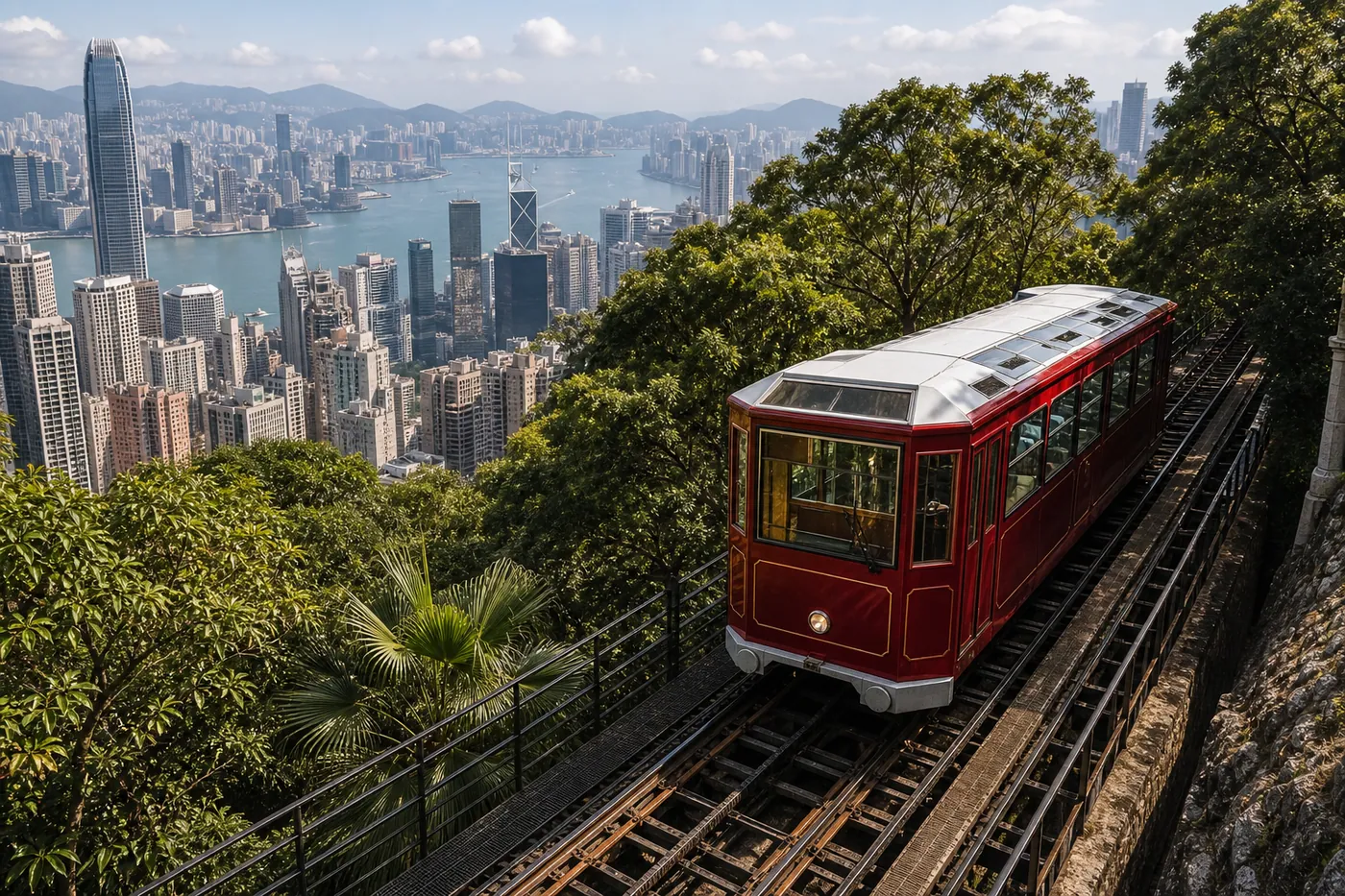
Next move: Take the historic double-decker tram from Sheung Wan to Central.
As twilight falls, follow the glow of neon signs to the lively food stalls around Temple Street in Jordan. The evening air fills with the smell of charcoal smoke as vendors prepare claypots of rice topped with Chinese sausage and savory meats, alongside steaming bowls of sweet black sesame soup.
Tip: Wait until the rice has sat covered for two minutes after serving; this allows the sweet soy sauce to caramelize the crispy bottom layer perfectly.
Next move: Cross the harbor via the Tsuen Wan MTR line or the Star Ferry.
Pace yourself in Sham Shui Po by sharing small portions of rice rolls and tofu pudding to save plenty of room for Mong Kok's evening snacks.
This day utilizes the Tsuen Wan MTR line to hop efficiently between Kowloon's busiest street markets and the Island Line for the afternoon Wan Chai excursion.
09:00Sham Shui Po, Hong Kong
Sham Shui Po Snack Streets
Dive into the historic heart of Sham Shui Po, where old-school eateries serve legendary steamed rice rolls, smooth bean curd puddings, and freshly baked egg puffs. This neighborhood retains a mid-century charm with family-run shops that have spent decades perfecting single, simple recipes.
Tip: Look for the tofu shops that still grind their beans using traditional methods; the texture is incomparably smoother than modern machine-made versions.
Next move: Take the Tsuen Wan MTR line directly to Sham Shui Po.
Navigate the busy wet markets and cozy tea cafes of Wan Chai, where locals meet for afternoon tea. This area showcases the blending of British and Cantonese tastes in classic cha chaan tengs, serving sweet pineapple buns stuffed with thick slabs of cold butter alongside strong milk tea.
Tip: Ask for the pineapple bun 'bo lo yau' to get it served hot with the cold butter slab inside, and eat it quickly before the butter melts entirely.
Next move: Cross the harbor via the Star Ferry from Tsim Sha Tsui to Wan Chai.
Immerse yourself in the dense, neon-lit alleyways of Mong Kok as the neighborhood wakes up for the night. Skewer-clutching crowds flock to small stands for curry fish balls, pan-fried pork buns, and sweet egg waffles, creating a high-energy sensory experience.
Tip: Find the stalls with the longest lines of locals; they usually have the freshest batches of hot curry fish balls.
Next move: Take the Tsuen Wan MTR line north from Wan Chai via Admiralty.
Take time to talk with the shopkeepers at the traditional tea shops; they are often happy to share brewing tips and history.
This day links the historical streets of Sheung Wan to Jordan using the Tsuen Wan MTR line, crossing the harbor with minimal walking.
09:00Sheung Wan, Hong Kong
Sheung Wan Tea and Bakery Walk
Discover the quieter side of Sheung Wan by walking through historic lanes lined with tea dealers and traditional bakeries. Learn about aged Pu-erh teas and sample hot, flaky wife cakes filled with sweet winter melon paste.
Tip: Look for shops selling traditional egg rolls; watching them roll the thin, hot wafers by hand is a fascinating culinary art.
Next move: Take a leisurely walk or ride the MTR to Sheung Wan Station.
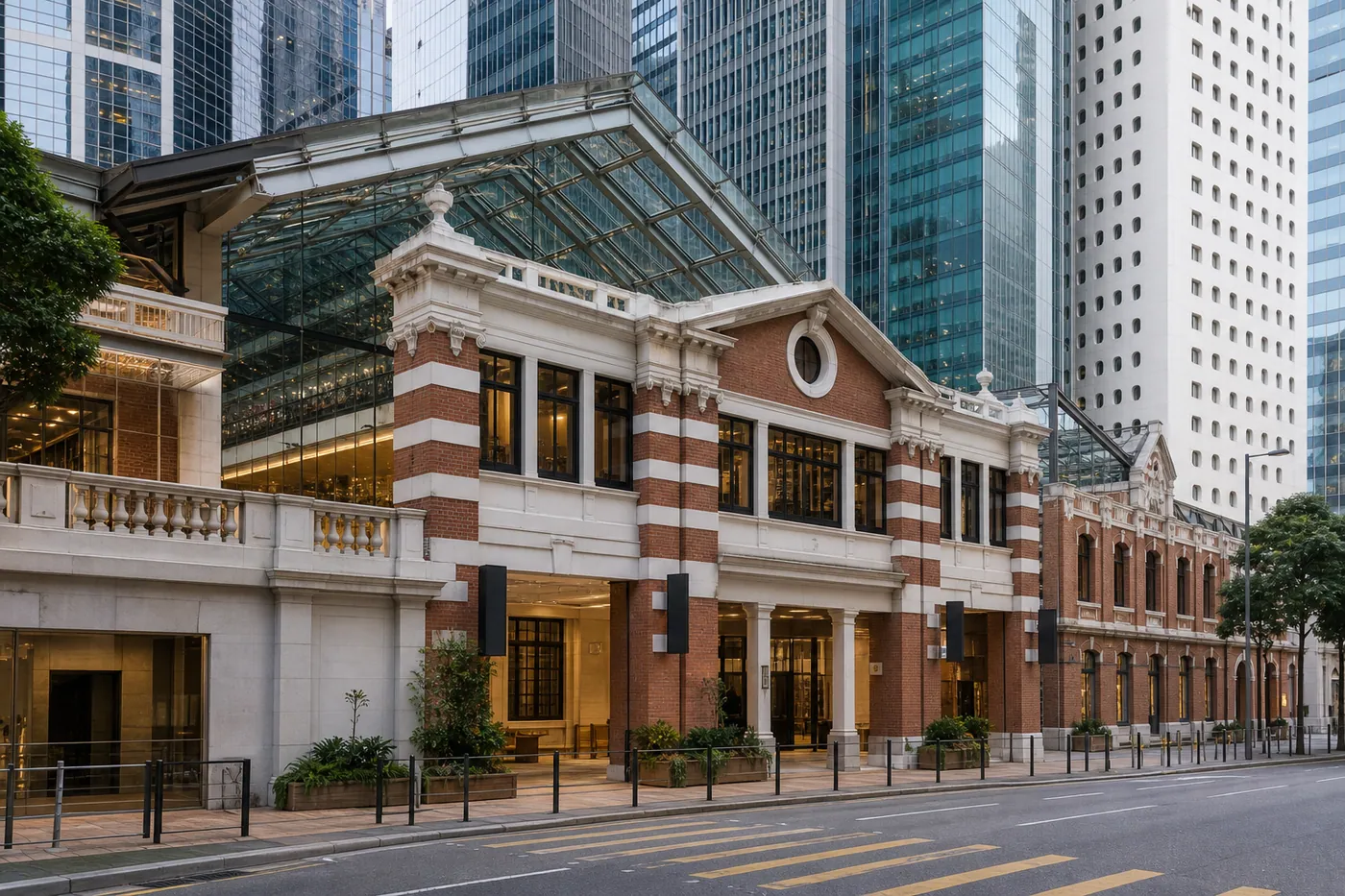
Explore the restored Bauhaus-style building of Central Market, which has been transformed into a modern dining and retail hub. This space offers a clean, air-conditioned environment to sample local snacks, craft beers, and modern twists on Cantonese dishes.
Tip: Head to the ground floor stalls for locally brewed craft beers infused with tea or dried citrus peel.
Next move: Walk along the covered Central Elevated Escalator system from Sheung Wan.
Soak in the classic night-market atmosphere of Temple Street, where tables spill onto the pavement under red lanterns. Here you can feast on stir-fried crabs with garlic and chili, sizzling claypot rice, and steaming bowls of sweet almond soup.
Tip: Order the stir-fried clams in black bean sauce; it is a quintessential dai pai dong dish that is packed with savory, garlicky flavor.
Next move: Cross Victoria Harbour on the Tsuen Wan MTR line from Central.
Take a public minibus to Sai Kung from Choi Hung MTR station for the fastest and most scenic route through the hills.
This day combines public minibuses to access Sai Kung with the Island Line MTR and southern buses to reach Causeway Bay and Aberdeen.
09:00Sai Kung, Hong Kong
Sai Kung Seafood Promenade
Stroll along the waterfront promenade in Sai Kung, where floating fish markets sell their catches directly from boats to the pier. The seaside street is lined with seafood restaurants showcasing large glass tanks filled with live fish, crabs, and shellfish.
Tip: Buy fresh seafood directly from the boats at the pier and bring it to a nearby restaurant; they will cook it to your liking for a reasonable kitchen fee.
Next move: Take the MTR to Choi Hung and transfer to the green minibus.
Explore the bustling streets of Causeway Bay, a dense shopping district known for its excellent dessert shops and tea cafes. Take a break from the crowds to enjoy a hot cup of milk tea and sweet tofu pudding topped with ginger syrup.
Tip: Look for dessert shops specializing in ginger milk pudding; they pour hot milk over ginger juice at your table to set the custard instantly.
Next move: Take the minibus back to Choi Hung MTR and ride the Tsuen Wan Line south.
Visit the Aberdeen Cooked Food Centre for an authentic, no-frills seafood dinner overlooking the historic harbor. This indoor market is filled with local stalls serving fresh catches from the southern waters, offering a classic neighborhood dining experience.
Tip: Order the deep-fried squid with spicy salt; it is exceptionally crispy and pairs perfectly with a cold local beer.
Next move: Take a direct bus from Causeway Bay to Aberdeen.
Carry physical cash in small denominations for traditional bakeries and market stalls that do not accept digital cards or Octopus cards.
Travel using the historic double-decker tram along the island's northern shore, followed by the MTR and a short walk to the seaside village.
09:00Java Road Municipal Services Building, North Point, Hong Kong Island
North Point Market and Cooked-Food Centre
Immerse yourself in the steam and chatter of North Point's Java Road municipal food centre. Watch locals gather at shared tables under the hum of ceiling fans to start their day. The stalls here excel in robust Cantonese morning food, from rich, marrow-infused beef brisket noodles to thick slices of French toast cooked to a perfect golden crisp. Pairing your breakfast with a cup of hot silk-stocking milk tea provides a deep dive into the neighborhood's culinary roots before the market hits its peak.
Tip: Look for the stalls serving claypot-brewed milk tea; the claypot retains heat better, drawing out a deeper, smoother tea flavor without bitterness.
Next move: Walk to the nearby North Point Tram Terminus.
13:00King's Road and surrounding side streets, Quarry Bay, Hong Kong Island
Quarry Bay and Taikoo Bakery Lanes
Stroll beneath the towering residential towers of Quarry Bay to discover hidden bakery stalls that draw steady local crowds. The sweet smell of caramelized sugar guides you toward ovens turning out traditional pastries. Here, the local favorites are pineapple buns served warm with a cold, thick slab of butter inside, and flaky egg tarts filled with smooth egg custard. These sweet baked treats provide a delicious counterpoint to the salty morning dishes, offering a direct taste of Hong Kong's midday snack culture.
Tip: Select a bakery that uses lard in its pastry dough rather than vegetable shortening, which yields a much flakier, traditional egg tart crust.
Next move: Walk to MTR Quarry Bay Station to head across the harbor.
End your day on the eastern harbor front at Lei Yue Mun, a historic fishing community where stilt houses line the water. The narrow pathways are lit by the bright lights of fishmonger tanks holding massive crabs, clams, and groupers. Pick your seafood directly from the vendors, then watch local chefs transform it using traditional Cantonese methods. Steamed razor clams topped with garlic and glass noodles, and stir-fried mud crab with ginger, highlight this memorable seaside feast.
Tip: Purchase some traditional almond cakes or walnut pastries from the local bakery stalls at the village entrance; they make fantastic souvenirs.
Next move: Return via MTR from Yau Tong Station or take a local taxi.
Avoid ordering large dishes early in the day, as the starch-heavy noodles and sweet mango soups are highly filling.
Ride the MTR Tsuen Wan Line and transition to local Kowloon buses to navigate between these historic residential hubs.
09:00Waterloo Road and Reclamation Street, Yau Ma Tei, Kowloon
Yau Ma Tei Fruit Market and Noodle Streets
Explore the bustling lanes of Yau Ma Tei's historic fruit market, where stone facades date back to the early twentieth century. The surrounding streets host traditional noodle shops that have served market workers for decades. Dig into a bowl of clear-broth beef brisket noodles, where the beef has been simmered with citrus peel and star anise until tender. Pair it with savory chicken wings braised in master soy sauce, followed by a slice of sweet, fresh dragon fruit bought from a nearby stall.
Tip: Look for stalls selling fresh local papaya; squeeze a bit of lime over the fruit to balance its sweetness before eating your savory noodles.
Next move: Take the MTR Tsuen Wan or Kwun Tong Line to Yau Ma Tei Station.
13:00South Wall Road and Nga Tsin Wai Road, Kowloon City, Kowloon
Kowloon City Chiu Chow and Thai Food Streets
Immerse yourself in Kowloon City, a neighborhood famed for its double culinary identity as a Thai enclave and a historic base for Chiu Chow migrants. The streets are lined with shops selling marinated meats, fresh herbs, and imported spices. Sit down to try traditional Chiu Chow roast goose, slowly simmered in a spiced soy master stock. Contrast this rich flavor with a plate of spicy, lime-dressed Thai papaya salad and grilled pork skewers cooked over charcoal.
Tip: Ask the Chiu Chow vendors for a dish of their house-made chili oil; it is usually cooked with dried shrimp and garlic, adding a complex savory heat.
Next move: Take a direct bus from Yau Ma Tei or ride the MTR Tuen Ma Line to Sung Wong Toi Station.
18:00Whampoa Street and Bulkeley Street, Hung Hom, Kowloon
Hung Hom Noodle and Dessert Streets
Spend your evening in the quiet, residential neighborhood of Hung Hom, where local food stalls cater to neighborhood families. Start by ordering a bowl of cart noodles, choosing your own toppings like braised radish and tender beef tendon in a spicy broth. Finish your food tour at a traditional dessert shop, savoring a bowl of chilled mango sago pomelo or warm, stone-ground black sesame soup.
Tip: For the cart noodles, add a spoonful of beef tripe; it is braised in a rich chu hou paste that flavors the entire noodle broth.
Next move: Take the MTR Tuen Ma Line from Sung Wong Toi to Whampoa Station.
Plan your trip for mid-week as the island's narrow lanes and popular waterfront eateries become extremely crowded with weekend visitors.
This coastal route is entirely pedestrian-friendly, forming a gentle walking circle starting from the main ferry terminal.
09:00San Pak She Road and surrounding alleys, Cheung Chau
Cheung Chau Snack Streets
Arrive on Cheung Chau and step into a pedestrian-friendly island world filled with vibrant street food. The narrow lanes near the harbor are packed with stalls selling local treats. Try the island's signature giant curry fishballs, served hot on skewers and glazed in a savory, aromatic curry sauce. Cool down with a piece of handmade mango mochi, which features sweet, fresh mango wrapped in a soft, pillowy rice wrapper.
Tip: Seek out the mochi vendors who roll the dough right in front of you; the rice wrapper is much softer and thinner when fresh.
Next move: Walk south along the main waterfront path toward the seafood district.
Walk along the harbor promenade to find open-air seafood restaurants offering views of bobbing fishing boats. Savor a long, communal lunch featuring the day's catches cooked to order. Popular dishes include crispy salt and pepper squid seasoned with fresh chilies, steamed prawns with garlic, and clams stir-fried in a savory black bean sauce. This dining style highlights fresh, clean coastal flavors.
Tip: Order the steamed whole fish of the day; it is cooked with soy sauce, ginger, and green onions, which enhances the delicate flavor of the fresh catch.
Next move: Stroll inland toward the island's historic residential center.
As the sun sets, explore the historic residential center of Cheung Chau to find family-run bakeries and sweet shops. Sample a bowl of warm silken tofu pudding, served with sweet ginger syrup and a sprinkle of yellow cane sugar. Pick up a traditional lucky bun, a soft steamed roll filled with sweet lotus seed paste and stamped with red characters for peace and health.
Tip: Try the sweet red bean lucky buns; they are less sweet than the lotus seed paste versions and pair beautifully with local tea.
Next move: Walk back to the Cheung Chau Ferry Pier to catch a ferry to Central.
Western Island Traditions and Seaside Seafood Feasts
7 hr plan
When selecting live fish at Ap Lei Chau, ask the vendor to scale and clean it, then take it straight upstairs to preserve its freshness.
Board the Island Line MTR to connect western neighborhoods, then transfer to the South Island Line for direct access to Ap Lei Chau.
09:00Sai Ying Pun, Hong Kong Island
Sai Ying Pun Pantry and Cafe Lanes
Explore the steep streets of Sai Ying Pun, where the air is thick with the scent of cured meats and dried seafood. Traditional shops display jars of preserved bean curd, salted duck eggs, and rows of Chinese sausages hanging from wooden beams. Alongside these legacy pantries, modern cafes serve pour-over coffee, showing the neighborhood's shift from old trade to contemporary lifestyle.
Tip: Purchase a jar of house-made chili sauce from the traditional condiment shops; they are aged in clay jars and offer a deep, fermented complexity.
Follow the historic tramline to its western terminus at Kennedy Town, where coastal bakeries attract crowds with fresh-baked pastries. Try a warm egg tart, featuring flaky pastry layers and a silky custard filling. Pair this treat with a hot pineapple bun containing a slab of cold, salted butter, enjoying the contrast of temperatures as the butter melts.
Tip: Ask the baker if they have any 'cookie-crust' egg tarts (tai taan); they offer a crumbly, sweet contrast to the flaky, puff-pastry version.
Travel to the southern side of the island to visit Ap Lei Chau, where the local wet market sits right on the harbor. Browse the ground floor tanks to choose fresh fish, prawns, and scallops, then carry them upstairs to the cooked-food stalls. Experienced chefs cook your selections over high-heat woks, producing garlic-steamed scallops and stir-fried ginger grouper.
Tip: Ask the cooked-food stalls to prepare your fish 'steamed with sea salt and ginger' rather than sweet soy sauce to taste its natural freshness.
New Territories East Roast Meats and Local Market Staples
7 hr plan
Arrive at Tai Po Market complex before 12:30 PM to secure a table before local office workers take all the cooked-food seats.
Take the MTR East Rail Line directly to the north, which links these residential food halls with minimal walking distances.
09:00Sha Tin, New Territories
Sha Tin Market and Roast-Meat Lanes
Begin your journey north at Sha Tin's municipal market, where local roast meat masters showcase their craft. Hanging behind glass screens are rows of glistening roast geese, crispy pork belly, and honey-glazed char siu. Order a plate of roast goose over rice, drizzled with a sweet plum sauce, and watch the chef carve the meats with quick cleaver cuts.
Tip: Request a side of ginger-scallion paste to go with your roast meats; the savory oil cuts through the richness of the goose.
Explore the Tai Po complex's second floor, home to a massive cooked-food centre famous for its regional dishes. The hall is filled with the sounds of woks and the smell of savory broths. Sample the iconic deep-fried pork chop noodles, featuring thick, crispy cutlets served over springy egg noodles, along with Hakka-style pork belly simmered with preserved greens.
Tip: Look for the stalls selling handmade steamed rice rolls; they are pulled fresh from cloth steamers and have an incredibly silky texture.
As evening falls, walk the narrow lanes of Tai Po Old Town to find traditional dessert houses. Sample a bowl of stone-ground black sesame soup, cooked slowly to a smooth, thick texture. Try the warm tofu pudding served with ginger syrup, or visit a local herbalist for a cup of cooling herbal tea to balance the day's rich meals.
Tip: Try the walnut soup mixed with sesame soup; the blend of earthy sesame and rich walnut flavors is exceptional.
Western New Territories Bakeries and Coastline Feasts
7 hr plan
When buying live seafood at Tuen Mun, check the gills of the fish to ensure they are bright red and look for active crabs that resist being handled.
Board the MTR Tsuen Wan Line to navigate the street-level pastry lanes, then transfer seamlessly to the Tuen Ma Line to reach the seafood stalls in Tuen Mun.
09:00Tsuen Wan, New Territories
Tsuen Wan Market and Old Bakery Streets
Tsuen Wan's historic market lanes house some of the last traditional Cantonese bakeries that still utilize hand-carved wooden molds to shape their daily bakes. Wandering past the stacks of metallic baking trays reveals the delicate art of making wife cakes, whose flaky layers of pastry enclosing sweet winter melon paste are rolled by hand. The warm scent of roasted sesame and caramelized maltose guides visitors to small storefronts where elderly bakers monitor deck ovens. Tasting these legacy treats offers an authentic taste of Hong Kong's neighborhood life, far removed from the city's modern shopping malls.
Tip: Request a hot egg tart straight from the baking trays at the back of the shop, as the crust is at its flakiest and the custard is silkily warm.
Rising above the street markets, this municipal food hall hums with the clatter of chopsticks and the high-decibel chatter of local diners. The star attraction is the traditional cart noodle stall, a culinary format born from 1950s street vendors that allows complete customization of your meal. Hungry patrons select from thin egg noodles, flat rice noodles, or thick wheat noodles, drowning them in a deeply savory beef bone or spicy curry broth. The experience is defined by choosing toppings like soy-braised beef brisket, tender pig blood curd, and sweet daikon radish that has absorbed the stock. It is a loud, chaotic, and intensely flavorful sanctuary that showcases the working-class soul of Hong Kong dining.
Tip: Order the braised daikon radish as one of your toppings, as it acts like a sponge, absorbing the rich five-spice beef broth.
Situated near the western coast, this seafood enclave offers a classic 'buy-and-cook' experience that is a cornerstone of Cantonese dining. Guests browse tanks filled with swimming garoupa, active mantis shrimp, and plump scallops before carrying their selection to the adjacent kitchen stalls. Here, chefs utilize jet-engine burners to impart 'wok hei'—the breath of the wok—into dishes like stir-fried clams in black bean sauce. Dining on the open waterfront while watching container ships slide across the horizon adds a dramatic coastal backdrop to the feast. The sweet, clean flavor of freshly caught shellfish cooked with garlic and chili is an unforgettable culinary highlight.
Tip: Ask the chef to prepare your crab with scallions and ginger rather than heavy sauces to fully appreciate the sweet quality of the fresh meat.